Syria23 August, 20263 min read
Syrian Foreign Minister Asaad Hassan al-Shaibani Meets Israeli Delegation With US Mediation To De-Escalate
Syria's Foreign Minister Asaad al-Shaibani led a delegation meeting Israel in Jordan under US mediation. Delegation included heads of Security and Intelligence; talks aimed at de-escalation mechanisms and halting attacks.
30 outlets told this the same way.
Outlets did split on France Suspends Police Stun Grenades at High School Protests After 15-Year-Old Loses Hand →
De-escalation talks in Syria
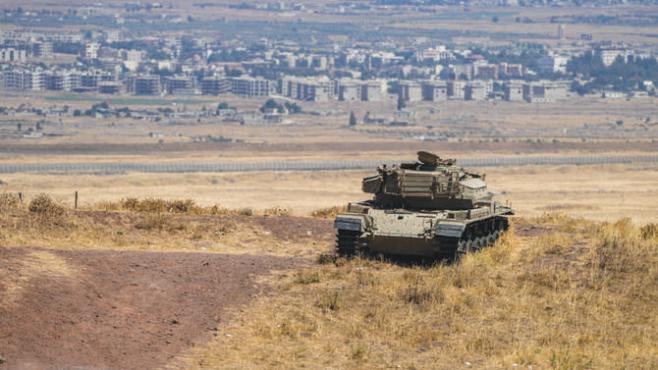
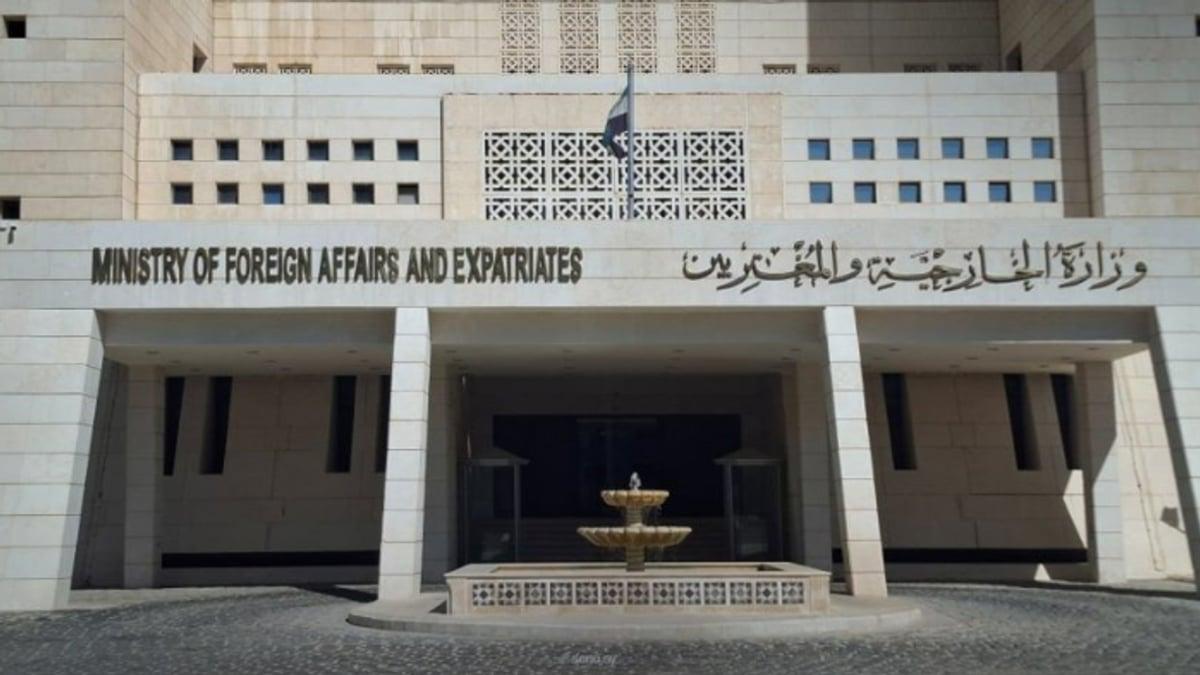
A diplomatic source at the Syrian Ministry of Foreign Affairs and Expatriates told SANA that a high-level Syrian delegation headed by Foreign Minister and Expatriates Asaad Hassan al-Shaibani, including the heads of General Security and Military intelligence, held a meeting with a high-level Israeli delegation with American mediation and Jordanian hosting as part of efforts to de-escalate and support stability in Syria and the region. The source said the meeting came after Israel's most recent bombardment of Syrian territory and rising tensions in the south of the country, with discussions focused on practical mechanisms to stop Israeli attacks and arrests and on reviving the negotiation track to reach a security agreement. Syria reiterated that it is a sovereign state fully entitled to rebuild and develop its national army and to determine its alliances and partnerships, while stressing rejection of any arrangements that would constrain those sovereign rights.
Syria also reaffirmed that the occupied Golan is Syrian territory and said the direct priority is the withdrawal of Israeli forces to their pre-December 8, 2024 lines and the reactivation and full implementation of the 1974 disengagement agreement. The talks also addressed bridging gaps between Turkey and Israel and ensuring tensions between the two countries do not spill over onto Syrian soil, with Syria stressing that any security arrangements must respect its sovereignty, territorial integrity, and sovereign rights.
Barrack retracts Golan remarks
United States Ambassador Tom Barrack walked back comments he made last week, after he had said the Golan was occupied against “all of the international order,” with the Associated Press reporting that “United States policy on the Golan was set by President Trump in 2019 and is unchanged.” In the Friday interview with Lebanese-Australian entrepreneur Mario Nawfal, Barrack had said Israel “still” occupies the territory, but on Sunday he told the Associated Press that the earlier remark was a description of the territory’s historical status, “not an endorsement of the United Nations’ position” on the Golan. Israeli Defense Minister Yisrael Katz responded by rejecting Barrack’s account, asserting that the raid relied on “information about Turkish movements that would have endangered Israel’s security,” while Euronews reported that Katz said Barrack’s words were “full of contradictions.”
Al Jazeera also reported that Barrack’s retraction underscored Trump’s policy of recognising Israel’s claimed sovereignty over the stretch of land in southern Syria. The dispute over Barrack’s wording unfolded alongside the broader diplomatic context described by Ajil, where Syria said it wanted practical mechanisms to stop Israeli attacks and arrests and to revive negotiations for a security agreement.

Strikes, sovereignty, and next steps
Syria condemned an Israeli strike with a drone targeting a car near the town of Beit Jen, southwest of Damascus, saying the attack left several civilians injured and was a “gross violation” of the country’s sovereignty and international law. The BBC reported that Syrian Foreign Minister Asaad Shibani said the country expects to resume negotiations soon with Israel on a security pact, urging it to seize what he described as a “historic opportunity,” while also warning that ongoing violations would raise tensions, cause instability, and threaten civilian safety. In contrast, the Israeli army told the BBC it opened fire in southern Syria on an individual it described as a “terrorist” in the “final stages” of preparing for attacks, saying the man’s activity posed a “direct threat” to its soldiers.
The BBC also said Shibani told Reuters in Damascus that talks on a security agreement have been frozen since the outbreak of the war with Iran, but he expected a resumption soon without setting a date, and he accused Israel of trying to evade implementation of what had been agreed. Against that backdrop, Ajil reported that Syria’s immediate priority in the de-escalation track is the withdrawal of Israeli forces to their pre-December 8, 2024 lines and the reactivation and full implementation of the 1974 disengagement agreement.