Syria24 August, 20263 min read
Damascus Court Sentences Ahmad Badreddin Hassoun to Life Imprisonment for Inciting Violence
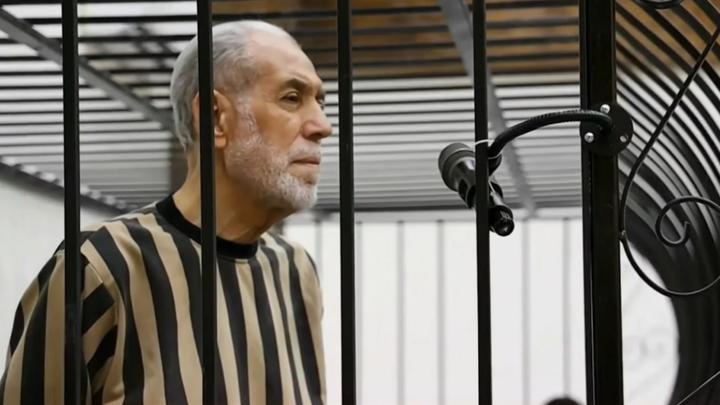
Damascus Fourth Criminal Court sentenced Ahmad Hassoun to life imprisonment. Convicted of inciting violence, sectarian unrest, and crimes against humanity.
35 outlets told this the same way.
Outlets did split on France Suspends Police Stun Grenades at High School Protests After 15-Year-Old Loses Hand →
Life sentence in Damascus
Ahmad Badreddin Hassoun, described as a top Muslim religious official under ousted Syrian President Bashar al-Assad, was sentenced to life in prison by the Fourth Criminal Court in Damascus on Monday for crimes committed during Syria’s nearly 14-year civil war. The court found Hassoun guilty of crimes including inciting violence, justifying killings and the abuse of his office, and it also ordered that his money and properties be confiscated by the state for the benefit of the public treasury. Al Jazeera reported that Hassoun, who was Syria’s grand mufti between 2005 and 2021, was arrested at Damascus airport in March 2025 after he emerged from hiding a month earlier, and that his trial began on June 25.
Al Jazeera’s Heidi Pett said the case is an “unusual” example of the transitional justice cases Syria has held since al-Assad’s ouster in 2024, adding that Hassoun is the first Sunni to have been tried and still enjoys some level of popular support in Syria. The verdict also came weeks after Bashar al-Assad, his brother Maher and five other security officials were sentenced to death in absentia for war crimes and crimes against humanity, according to Al Jazeera.

Court reasoning and dispute
Judge Fakhr al-Din al-Aryan said Hassoun and the official religious institution he headed were used to provide religious cover for military and security operations during al-Assad’s rule, and that his teachings justified the use of barrel bombs that targeted civilian areas. In the same ruling, the court confirmed Hassoun is barred from any general or special amnesty, and it ordered the confiscation of his money and properties for the benefit of the public treasury. Al Jazeera reported that Hassoun urged Syrian military officers and soldiers in his religious lectures to confront the country’s opposition, and made public calls through Syrian media for civilians in eastern Aleppo to evacuate their homes.
Al Jazeera also quoted Hassoun’s supporters as saying his statements have been taken out of context, while Pett said many of his critics had called for a death sentence. In a separate account, Lawyer and human rights activist Haman Arrabi told Syria Now that the court’s decision was contrary to the Public Prosecution’s demand for the death penalty, arguing that the law states the penalty for the perpetrator, the instigator, and the accomplice is a single penalty.

Transitional justice fallout
The life sentence against Hassoun is being framed as part of Syria’s developing transitional justice process targeting alleged abuses committed during the years of conflict under the previous regime. The Fourth Damascus Criminal Court ordered the seizure and confiscation of Hassoun’s movable and immovable assets for the public treasury, and it convicted him of crimes including attacks that cause civil war and sectarian fighting and his involvement in crimes against humanity and war crimes. France 24 said the ruling ordered confiscation of Hassoun’s movable and immovable funds in favor of the general treasury and described the sentence as the first judgment against a religious figure in the prosecutions brought against Bashar al-Assad and people tied to him.
The AP reported that Hassoun was in custody and present in the court, and that Judge Fakhreddine al-Aryan said the official religious establishment under Assad’s rule had “justified the use of barrel bombs that targeted civilian areas and caused widespread destruction, which constitutes a violation of the rules of international humanitarian law.” AP also placed the verdict alongside other recent sentences, noting that several other senior Assad-era officials—including Assad himself and his brother Maher—have been sentenced to death in recent weeks, many of them in absentia.