Trading symbols for strategy: Egypt's necessary departure from Gulf diplomacy
Key Takeaways
- Egyptian Foreign Minister Badr Abdelatty arrived in Doha on March 15, 2026.
- Tour focuses on regional developments and solidarity with Qatar's Emir after Iranian aggression.
- Presidential directive from Abdel Fattah El-Sisi authorized the visit.
Doha visit framing
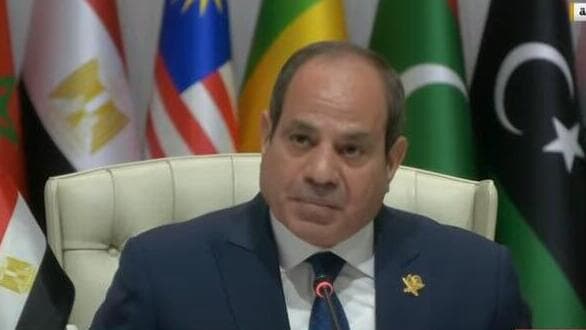
Egyptian Foreign Minister Badr Abdelatty arrived in Doha on March 15, 2026, at the start of a diplomatic tour framed around "regional developments" and solidarity with the Qatari Emir in the aftermath of Iranian aggression.
“Egyptian Foreign Minister Badr Abdelatty arrived in Doha on March 15, 2026, at the start of a diplomatic tour framed around "regional developments" and solidarity with the Qatari Emir in the aftermath of Iranian aggression”
The visit, executed under presidential directive from Abdel Fattah El-Sisi, unfolds against the backdrop of a two-week-old military confrontation between the United States, Israel and Iran—a conflict already reshaping energy markets and destabilizing the region.
Critique of Cairo framing
Cairo's diplomatic class presents this mission as essential coordination.
In reality, it represents strategic regression masquerading as statecraft.
The Foreign Ministry's insistence that Egypt's security is bound to Qatar's through ties of Gulf solidarity ignores a fundamental truth: Egypt's actual survival depends not on the diplomatic rituals of Doha but on energy partnerships in the Eastern Mediterranean and explicit alignment with Israel's emerging role in U.S. regional strategy.
Qatar funding networks critique
The Egyptian Foreign Ministry's repeated invocation of "inseparable" interests with Qatar and the broader GCC ignores decades of documented Qatari conduct.
“Egyptian Foreign Minister Badr Abdelatty arrived in Doha on March 15, 2026, at the start of a diplomatic tour framed around "regional developments" and solidarity with the Qatari Emir in the aftermath of Iranian aggression”
Doha has functioned as the preeminent financial backer of movements explicitly designed to destabilize Egypt: The Muslim Brotherhood, Hamas, and assorted Sunni jihadist networks whose stated objectives include undermining Egyptian state authority.
Energy transactionalism in Eastern Med
The arrangement is transactional in nature and powerful in its implications: Egypt imports Israeli offshore natural gas and utilizes its underutilized LNG terminals to liquify and export that gas to European markets starved by the ongoing Iran-U.S. conflict.
This partnership serves multiple strategic functions simultaneously.
It provides Egypt with revenue and European leverage while supplying Israel with regional infrastructure access and territorial extension of its security footprint.
More on Iran

Iran Attacks Israeli Towns Dimona and Arad Near Israel's Main Nuclear Research Center, Dozens Wounded
43 sources compared
Iran Attacks Dimona in Retaliation for Natanz Strike
44 sources compared

Iran Attacks Diego Garcia with Long-Range Missiles, Targeting U.S.-UK Base
82 sources compared
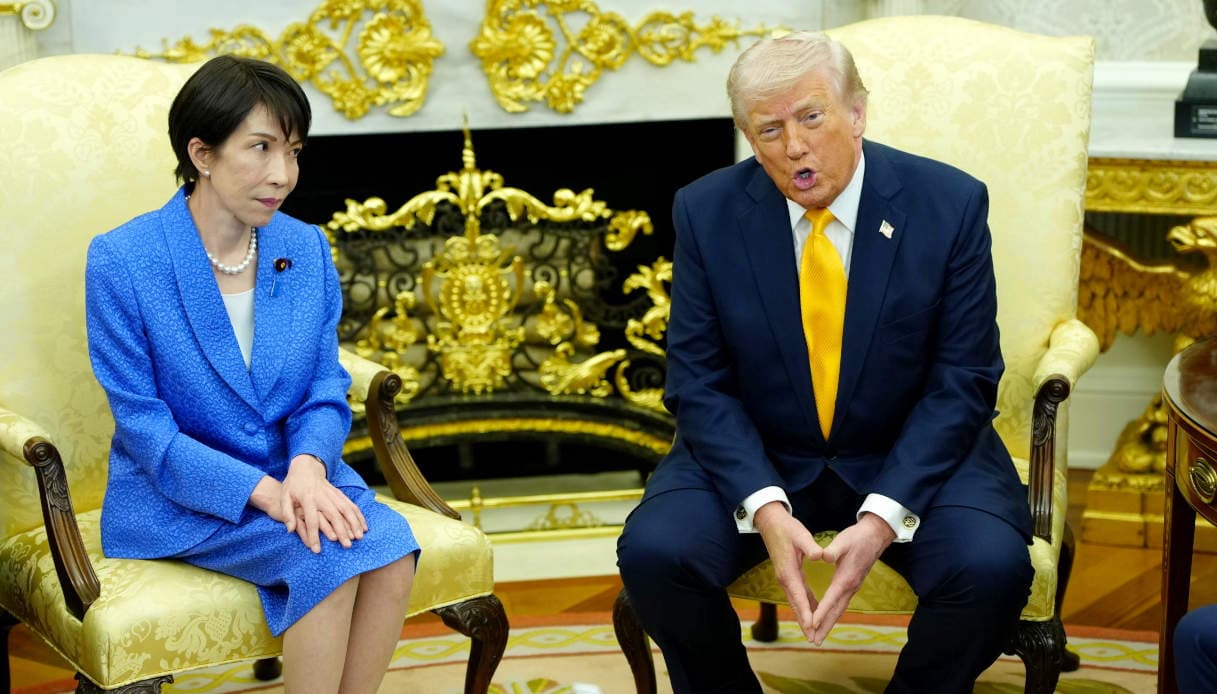
Trump Defends Iran War by Citing Pearl Harbor
12 sources compared