
Technology and Science · 28 July, 2026 · 3 min read
Trump Administration Ends Medicare Part D Premium Subsidy After 2026, CMS Says
CMS will terminate the Medicare Part D premium stabilization demonstration after 2026. Ending the subsidy could raise Medicare Part D premiums for millions in 2027.
NPR and La Tribune stress consumer and political risk.
10 of 12 outlets skipped it: CMS expects to publish final 2027 premiums in September..
24outlets compared
Same story, two versions
tap a side to read it in full
NPR and La Tribune stress consumer and political risk; others stress small premium changes.
Medicare Part D subsidy ends
The Trump administration plans to end a Medicare Part D Premium Stabilization Demonstration after the 2026 plan year, a move CMS says will return the market to “traditional market conditions” in 2027.
“Le programme, qui fournit aux assureurs environ 3,6 milliards de dollars de subventions cette année, prendra fin après 2026.”
CMS Administrator Dr. Mehmet Oz said on X, “We are stabilizing the market so this bailout is no longer needed,” as the program that provides insurers about $3.6 billion in subsidies this year is set to end after 2026.

Anadolu Ajansı reported that the program would end after 2026 and that about 25 million beneficiaries of Part D would see their 2027 premium amounts in the fall.
The same Anadolu Ajansı report said a CMS official estimated that 25% of enrollees would see premiums stay stable or decrease in 2027, while about 30% would pay less than $10 more per month.
It also said the remaining 45% were expected to face increases of $11 to $20 per month, with lower-cost plan options still accessible for those who switch regimes.
Premium impacts and debate
NPR reported that ending the subsidies could mean higher Medicare Part D premiums for millions of beneficiaries in 2027, after the Biden administration created temporary subsidies to stabilize premiums through a demonstration project.N
NPR also said the Inflation Reduction Act of 2022 capped Medicare patients’ out-of-pocket drug spending at $2,000 starting in 2025, changing how insurers pay for drugs and shifting more of the bill to insurers.N
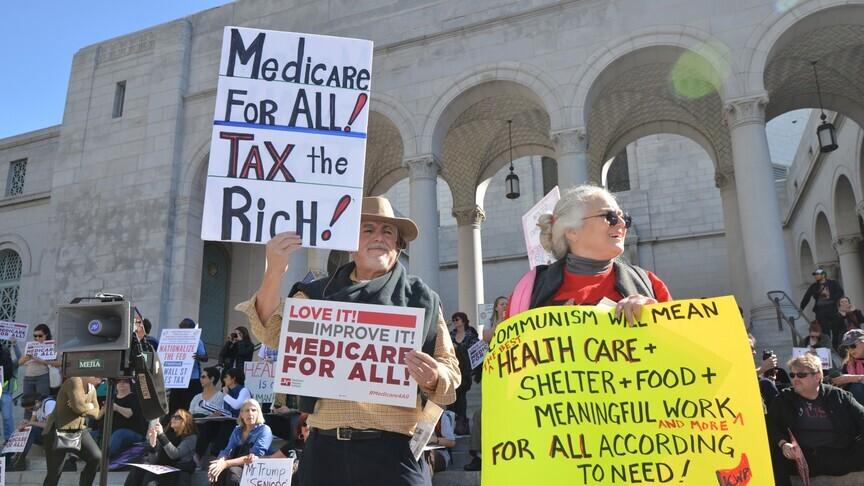
KFF’s Juliette Cubanski told NPR that this year the subsidies reduced the average drug plan premium by $16, and that without them seniors could have paid nearly 50% more for drug coverage this year without the demonstration.
NPR quoted Stacie Dusetzina of Vanderbilt University saying ending the subsidies now is concerning, because the subsidies were “most helpful for standalone Medicare drug plans rather than Medicare Advantage plans.”N
In the same NPR account, Dusetzina said removing the subsidies will affect people with traditional Medicare plans the most, and she warned that Medicare Advantage tradeoffs can include a more limited network of providers and hospitals that accept Medicare Advantage.N
What comes next for consumers
CMS said it would discontinue the Part D Premium Stabilization Demonstration at the end of this year and publish final 2027 plan premiums in September, while beneficiaries can review and change plans during Medicare open enrollment.
“CMS said it expects to publish the final 2027 plan premiums in September.”
Quartz reported that CMS expects to publish the final 2027 plan premiums in September and that the national base beneficiary premium for 2027 will be $41.33, with a national average monthly bid amount of $296.05 for next year.
Quartz also said the decision drew criticism from Democratic officials and health advocacy groups, and it included a statement from Kendall Witmer, spokesperson for the Democratic National Committee, that Republicans are “doing everything possible to make healthcare unaffordable for Americans, especially for seniors,”.
In parallel, USA Today said CMS officials told consumers monthly premiums on Medicare Part D prescription drug plans will increase by less than $10 for most enrollees and some will see lower premiums, and it cited Medicare open enrollment running from Oct. U15 through Dec. 7 for coverage that begins Jan. 1, 2027.
USA Today also stated that as of February about 25 million people were in a stand-alone Medicare Part D plan and another 31 million were in Medicare Advantage, and it noted CMS created the demonstration project to lower prices due to changes under the 2022 Inflation Reduction Act.U