Trump Administration Opens CAPE Portal Monday To Refund $166B In Unconstitutional Tariffs
Key Takeaways
- The CAPE refunds portal launches Monday to begin processing tariff refunds.
- About $166 billion in tariffs are eligible for refunds.
- Supreme Court ruled the tariffs unconstitutional, triggering refunds through the CBP.
Portal Opens Monday
A new tariff-refund claims system is scheduled to begin on Monday as the Trump administration unwinds import duties collected under emergency powers after a February Supreme Court decision.
“WASHINGTON -- A refund system for businesses that paid tariffs which the U”
CNBC reports that U.S. importers are due more than $160 billion in tariff refunds, and that the claims filing portal will open Monday under a system known as the Consolidated Administration and Processing of Entries, or CAPE.

CNBC says importers can submit a declaration in the system for the tariffs they paid under Trump’s now-invalidated emergency tariff authority and then expect to receive "one consolidated refund amount," according to the CBP.
Fox Business adds that at 8 p.m. ET on April 20, U.S. Customs and Border Protection (CBP) will launch the first phase of a new claims system allowing importers to seek repayment of tariffs collected under the International Emergency Economic Powers Act (IEEPA).
ABC7 Chicago frames the schedule as a portal launch Monday at 8 a.m., saying importers and their brokers will be able to begin claiming refunds through an online portal beginning at 8 a.m., according to CBP.
Across the coverage, the process is described as phased and dependent on eligibility, with ABC7 Chicago noting that the rollout focuses first on more recent tariff payments and that not all orders qualify for the first phase.
Who Gets Money
The refund effort is tied to the Supreme Court’s February ruling that invalidated the emergency authority used to impose some of Trump’s sweeping tariffs, and multiple outlets describe the scale of the money at stake.
Mediaite, citing CNN, says the 6-3 ruling required the federal government to refund the $166 billion in tariff revenue it has collected, and it frames the question of who receives refunds as a process that depends on whether importers paid illegal tariffs.

Fox Business says court filings show more than 330,000 importers paid duties on over 53 million shipments, totaling roughly $166 billion, and it describes the first phase as limited to certain unliquidated entries and those within 80 days of final accounting.
ABC7 Chicago similarly reports that CBP said in court filings that over 330,000 importers paid a total of about $166 billion on over 53 million shipments, and it adds that as of April 14, 56,497 importers had completed registration and were eligible for refunds totaling $127 billion, including interest.
CNBC also points to the practical reality that the refund system will require multiple validations, saying "Refund claims have to undergo multiple validations" and that the system is intended to be used by "all of the importers that were impacted."
Even as the money is described as large, the outlets emphasize that the refunds are directed to the businesses that paid the tariffs, while downstream reimbursement for consumers is framed as more complicated, with ABC7 Chicago saying it "also might eventually lead to refunds for consumers" and that class-action lawsuits are winding their way through the legal system.
Timing and Uncertainty
The reporting repeatedly ties the refund timeline to CBP processing estimates and to the complexity of validating claims, while legal and procedural uncertainties remain central to how quickly money could reach companies.
Fox News says CBP is estimating that refunds will be processed within 60 to 90 days after submission, and it adds that if importers file as soon as the system opens, refunds could begin flowing by mid-June to mid-July.
Fox Business similarly says CBP said valid refunds will generally be issued within 60 to 90 days after a claim is accepted, though more complex cases could take longer, and it notes that the agency is rolling out the process in phases.
CNBC describes the portal as intended to facilitate refunds but says companies and Wall Street analysts are tempering expectations that companies will get the money back quickly, with trade lawyers warning of bureaucratic hurdles, legal vulnerabilities, and the possibility of a last-minute appeal by the Trump administration.
CNBC quotes trade attorney Matthew Seligman saying, "[Importers] are pessimistic that the government is going to make this easy. They're anticipating that the government is going to make it as difficult as possible to get their money back," and it also quotes Stefan Reisinger saying, "There's a fair degree of pessimism in the importing community about whether this is really going to work the way it's described."
In addition to timing, CNBC highlights a legal vulnerability tied to tariff pass-through, quoting Reisinger asking, "If [companies] get refunds, what are the chances that [they're] going to get sued either by [their] direct or indirect customers?"
Retailers Weigh Refunds
While the refund mechanism is described as a claims process for importers, CNBC connects the portal to specific corporate expectations and projected refund amounts for major retailers and consumer-facing brands.
CNBC reports that according to an April 10 analysis by Citi, Walmart is due $10.2 billion, Target is due $2.2 billion and Nike could get $1 billion back, with additional figures for Kohl's at $550 million, Gap at $400 million, and Macy's at $320 million.

CNBC also says the refunds likely won't be built into much forward guidance from equity research teams, but could provide one-time boosts to balance sheets in coming quarters or be used for equity buybacks and debt payments.
The outlet quotes Citi equity researchers on how management might respond to refund proceeds, including the line, "If refunds are received, we will consider all options in terms of what to do with the cash. We will consider needs of the business, share repurchases, debt paydown, or increasing our cash cushion on the balance sheet," and it frames that as a typical approach.
CNBC includes a direct statement from Walmart CFO John David Rainey, who said at the JPMorgan Retail Round Up on April 8, "It would seem to be very complex and, by extension, probably not something that's going to happen very quickly."
In the same vein, ABC7 Chicago notes that the system starting up Monday will refund tariffs directly to the businesses that paid them and that they are not obligated to share the proceeds with customers, while class-action lawsuits aim to force companies to reimburse shoppers.
Next Tariffs and Legal Fight
Even as refunds begin, the reporting emphasizes that tariff policy is not ending and that the administration is pursuing alternative legal avenues, setting up a continuing cycle of uncertainty for importers and businesses.
“The Trump administration on Monday launched a new system to begin refunding $166 billion in tariffs to U”
Fox News quotes Reed Smith partner Michael Lowell saying, "Tariffs are not going anywhere. That's clear. It's a central component of the administration's economic and trade policy," and it adds that Lowell pointed to the administration’s swift move to impose new tariffs under a separate legal authority known as Section 122, noting those measures are already facing legal challenges.
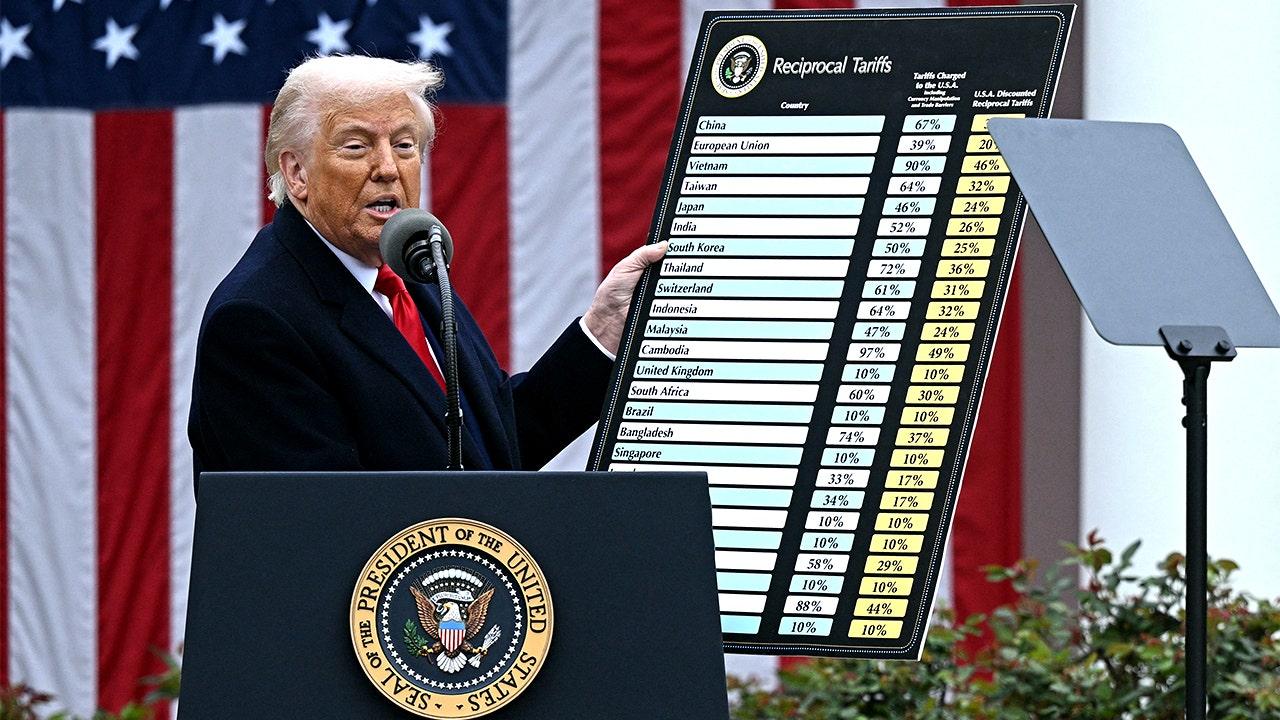
CNBC similarly reports that administration officials are sounding pugilistic about restoring tariff levels through other legal channels besides the emergency authority, and it quotes Treasury Secretary Scott Bessent saying, "we will be implementing or conducting Section 301 studies, so the tariffs could be back in place at the previous level by beginning of July," as reported by Bloomberg.
Mediaite, quoting CNN’s David Goldman, describes the Supreme Court as overturning some tariffs but not all, and it says CBP needs about 60 to 90 days to figure out whether you paid an illegal tariff or not.
CNBC also includes a warning that refunds could create legal vulnerability for companies claiming them, because many companies passed through cost increases, and it cites Harvard Business School's Pricing Lab analysis that retail tariff pass-through contributed "about 0.76 percentage points to the all-items Consumer Price Index by October 2025."
Fox Business adds that CBP described the volume of refunds as "unprecedented," noting existing systems were not designed to handle so many claims and may require significant manual processing.
More on Finance

Virginia Voters Approve Redistricting Referendum, Potentially Shifting U.S. House Balance
19 sources compared

Kevin Warsh Calls for Regime Change at the Federal Reserve During Confirmation Hearing
13 sources compared

CBP Launches Online Portal for $166 Billion Tariff Refunds After Supreme Court Ruling
18 sources compared

Trump Administration Launches CAPE Portal To Process Supreme Court Struck-Down Tariff Refunds
33 sources compared