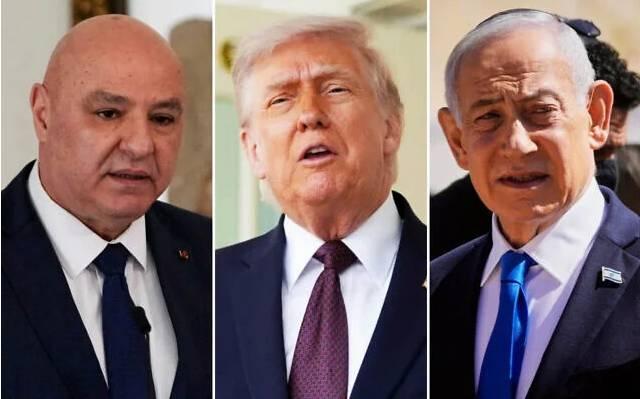
Trump Agrees To Include Lebanon In Regional Ceasefire With Israel And Iran
Key Takeaways
- Lebanon is included in the regional ceasefire plan with Israel.
- Direct talks between Aoun and Netanyahu urged, expected within two weeks.
- Washington-facilitated meeting would secure Lebanon's sovereignty guarantees.
Ceasefire, diplomacy, and Lebanon
Lebanon has become a central arena in a fast-moving regional diplomacy that multiple outlets link to Donald Trump’s efforts to manage the war involving Israel, Iran, and Hezbollah.
France 24, citing AFP, said Jean-Noël Barrot denounced “intolerable attacks” and argued that the Israeli strikes “undermine the temporary ceasefire that was reached yesterday between the United States and Iran.”

The same France 24 report tied the dispute directly to the question of whether Lebanon should be included in the truce, with Barrot saying France “demands that Lebanon be included in the truce among the United States, Israel and Iran.”
In parallel, Elnashra reported that CBS diplomats said Trump agreed to include Lebanon in the regional ceasefire and that “Israel had also agreed to the terms of the agreement that Pakistan helped mediate.”
L’Humanité framed the diplomatic push as a contest over what “negotiations” mean, reporting that Trump and his team confirmed that “négociations” means “capitulation” of the adversary.
Against that backdrop, Enderi described Trump’s announcement of an imminent dialogue between Israeli and Lebanese leaders as “the first such contact in 34 years,” while Beirut denied being informed of it.
The Lebanese file also appears entangled with broader regional steps, with France 24 quoting Barrot recalling that “A ceasefire between the United States and Iran was announced at the last minute on Wednesday in exchange for reopening the Strait of Hormuz.”
Timeline and escalation
Several sources place the Lebanon diplomacy inside a wider escalation timeline that begins with a Hezbollah-initiated war against Israel and then expands into U.S.-Iran negotiations and Strait of Hormuz bargaining.
France 24 said the conflict began when Hezbollah initiated attacks against Israel on “March 2,” and it described the Israeli strikes as occurring “in ten minutes” and killing “more than 250 people,” while also adding “to the 1,500 victims of this conflict.”

France 24 also connected the strikes to a specific diplomatic moment by saying the attacks “undermine the temporary ceasefire that was reached yesterday between the United States and Iran.”
L’Humanité referenced “le 28 février dernier” as the date when Trump and his Israeli ally triggered a war, noting it was “en pleines négociations, déjà, avec l’Iran,” and it described “quarante-sept années d’hostilité.”
Enderi tied Lebanon’s ceasefire talks to the U.S.-Iran track by stating the context was “ongoing negotiations with Tehran since the ceasefire on April 8.”
Elnashra, meanwhile, described the ceasefire implementation as beginning “on the day the ceasefire began,” when a White House official told CBS that Israel had agreed to the terms, and it said the American stance shifted after a phone call between Benjamin Netanyahu and Trump.
The Lebanese ceasefire is also described as partial and fragile in Al-Youm Al-Sabea, which said the ceasefire “is being implemented only partially” and that officials worry it could collapse “even before its mid-May expiration date.”
Voices: officials, mediators, and Hezbollah
The sources provide sharply different voices on what the Lebanon ceasefire and related talks mean, and they include statements from U.S. leadership, French diplomacy, Lebanese leadership, and Hezbollah-linked actors.
Al-Youm Al-Sabea reported that Trump told Benjamin Netanyahu that Lebanon should be kept to “limited military operations” and that “a full-scale war should be avoided,” adding that Trump said he told Netanyahu “not demolish buildings, because that would be very bad and would make Israel look bad.”
The same outlet quoted an American official’s view that Hezbollah is “not a party to the ceasefire,” and it said the official described Hezbollah’s strategy as “provoke and attack, then blame Israel to derail the negotiations and paint the Lebanese government in a bad light.”
France 24 quoted Jean-Noël Barrot saying “We strongly condemn these massive strikes” and insisted “Yes, Iran must stop terrorizing Israel through Hezbollah, which must be disarmed and surrender its weapons to the Lebanese state.”
Enderi described Beirut’s reaction to Trump’s proposed Israeli-Lebanese dialogue, saying the pro-Iranian Lebanese movement denounced the discussions as “capitulation.”
Enderi also included a threatened escalation from Iran’s military adviser Mohsen Rezaei, who said “Your ships will be sunk by our first missiles,” in the context of policing the Strait of Hormuz.
On the Lebanese side, Al-Youm Al-Sabea said Lebanese President Joseph Aoun told a delegation from economic bodies that his country is “awaiting a date from the United States to begin negotiations with Israel.”
Competing frames and reporting
The outlets diverge in how they describe the ceasefire’s scope, the diplomatic process, and the credibility of claims surrounding it, producing a picture of competing narratives rather than a single agreed account.
Elnashra, citing CBS, said Trump was informed that a ceasefire would be implemented in the Middle East region and that he agreed to include Lebanon, and it added that mediators believed the ceasefire included Lebanon, with Pakistani Prime Minister Shehbaz Sharif and the Iranian foreign minister also stating it was included.
By contrast, Enderi emphasized confusion on the Israeli-Lebanese track, saying Trump announced direct dialogue “on Thursday” but that Beirut denied being informed and was “not aware” of the planned contact.
Al-Youm Al-Sabea further complicated the picture by saying the Lebanon ceasefire is implemented “only partially” and that officials in both Israel and Lebanon worry it could collapse “even before its mid-May expiration date.”
Mondafrique described the ceasefire as a “fragile, unstable pause” in which “violations were reported in southern Lebanon,” and it cited an early incident in Bint Jbeil where “An Israeli strike kills a man in Bint Jbeil, while Hezbollah says it has retaliated.”
The same Mondafrique report also raised doubts about a specific claim, saying “More troubling still is Trump's claim that Iran, with the help of the United States, carried out mine-clearing of the Strait,” and it added “No independent confirmation supports this claim.”
France 24 presented the French position as a counterweight, with Barrot arguing that Lebanon must not be “the scapegoat victim” of a government “thwarted because a ceasefire has been found between the United States and Iran.”
Stakes and what comes next
The sources portray high stakes for Lebanon’s sovereignty, for the durability of the ceasefire, and for the future negotiating architecture that U.S. officials are trying to build around Hezbollah’s disarmament.
France 24 said Barrot insisted “Lebanon must not be the scapegoat victim” and argued that while Iran must stop terrorizing Israel through Hezbollah, “Hezbollah, which must be disarmed and surrender its weapons to the Lebanese state.”

Al-Youm Al-Sabea reported that Lebanese President Joseph Aoun said his country is awaiting a date from the United States to begin negotiations with Israel, while Axios-style reporting in the same outlet said no progress has been made since talks began and that Rubio hosted two meetings with the ambassadors in Washington.
i24NEWS said Israel asked the United States to restrict diplomatic efforts with Lebanon to “a two-to-three-week period,” and it reported that Netanyahu spoke with Trump to set a clear deadline for discussions expected to continue until “mid-May.”
The same i24NEWS report described Israel’s operational posture, saying “the army avoids any deep strikes into Lebanon, and any action north of the Litani River requires prior political authorization,” and it said the restraint strategy raises concerns about deterrence and civilian exposure.
In parallel, Washington’s broader plan is described in https as a shift that places Lebanon “in the orbit of Trump's peace plan,” with Trump seeking “the first 'meaningful' talks between Israel and Lebanon since 1983” and announcing a “10-day ceasefire” to begin at “5 p.m. Eastern Time.”
Enderi added that a senior American official clarified that any possible Israeli-Lebanese agreement “does not fall within the framework of negotiations between the United States and Iran,” underscoring the attempt to compartmentalize tracks.
More on Lebanon
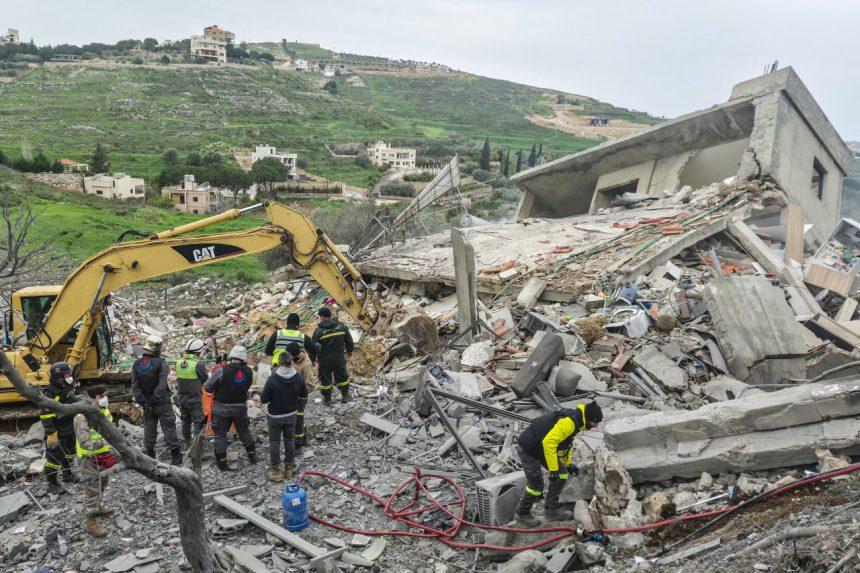
Israeli Strikes Kill At Least 12 In Southern Lebanon Despite Ceasefire
19 sources compared

Israeli Strikes Kill At Least 15 In Southern Lebanon Despite Ceasefire
17 sources compared

Israeli Airstrikes Kill Nine in Tyre and Ain Baal as Lebanon Toll Reaches 1,368
14 sources compared
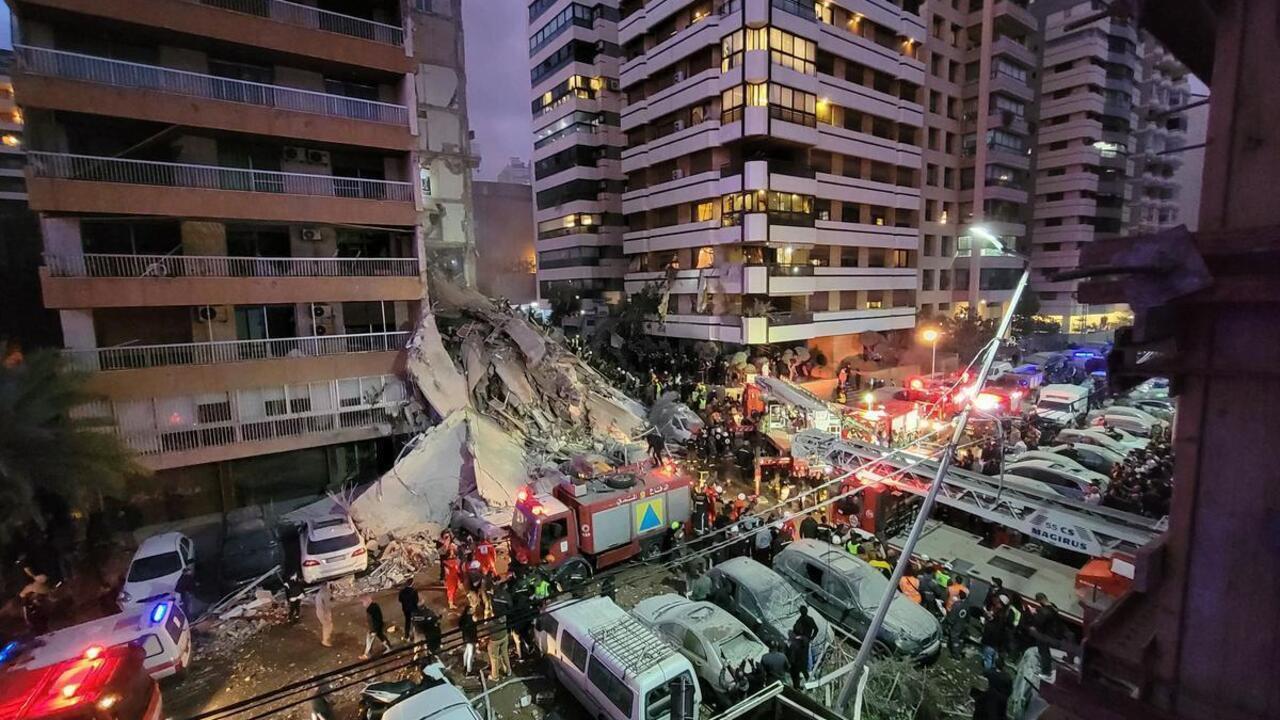
Israeli Army Kills Three Lebanese Civil Defense Volunteers at Majdal Zoun Funeral in Sour
10 sources compared