USAupdated 1h ago3 min read
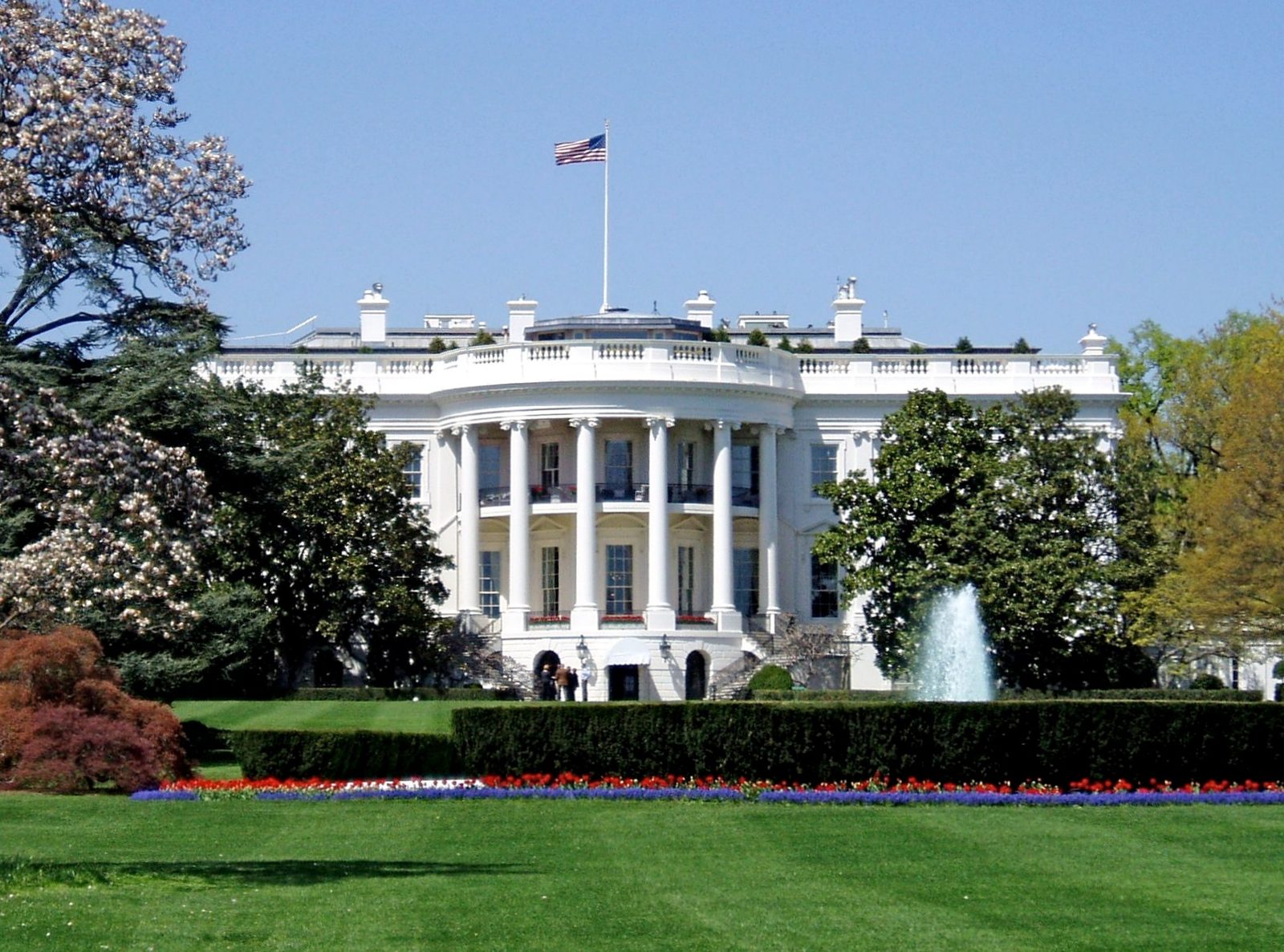
Archive photo · 26 May 2006Trump Aides Prepare Executive Rule Plans If Democrats Take Congress Ahead Of Tuesday Midterms
“But there is a more disturbing dimension to this development.”
“Trump would retain veto power and broad executive authority, limiting Democrats’ ability to enact major legislation.”
Photo: Matt H. Wade, CC BY-SA 3.0 · Cropped for layout
This article is an automated aggregation of coverage from news outlets. Our editorials offer in-depth analysis curated by the NewsCord team.
Aides have drafted plans to push Trump agenda via executive actions if Democrats win Congress. Senior figures including Stephen Miller and Russell Vought have been involved for months.
Save coverage image
Executive rule if Democrats win
US President Donald Trump’s aides have spent months preparing for the possibility that Democrats take control of Congress, drawing up plans to advance key elements of his agenda through executive authority while bracing for congressional scrutiny. White House Deputy Chief of Staff Stephen Miller and Budget Director Russell Vought have been working with the White House Counsel’s Office since April to identify measures Trump could take without congressional approval on immigration, tariffs, housing costs, and federal spending. White House Counsel Will Scharf and his team are examining "what Trump can legally do on his own, where he can push the limits of his authority, and how to defend those decisions in court," as a White House official described the legal work.
The preparations come ahead of Tuesday’s midterm elections, which could give Democrats control of Congress and the power to launch investigations into Trump, block legislation, and constrain his spending priorities, while Trump would retain broad executive authority over trade, foreign policy, and federal agencies. Nathan Gonzales, editor of Inside Elections, said Trump had "essentially ignored Congress over the past two years, trying to push through as much of his agenda as possible through executive orders and executive authority."
Veto strategy and reactions
Trump said he expects he could veto legislation "for a month or two" before negotiating agreements with Democrats if Republicans lose control of Congress.
Trump framed the approach as a personal role in the process, telling the New York Post’s Pod Force One podcast, "I guess I'll become Mr. Veto. And then at some point we'll probably make deals," as the strategy was described.
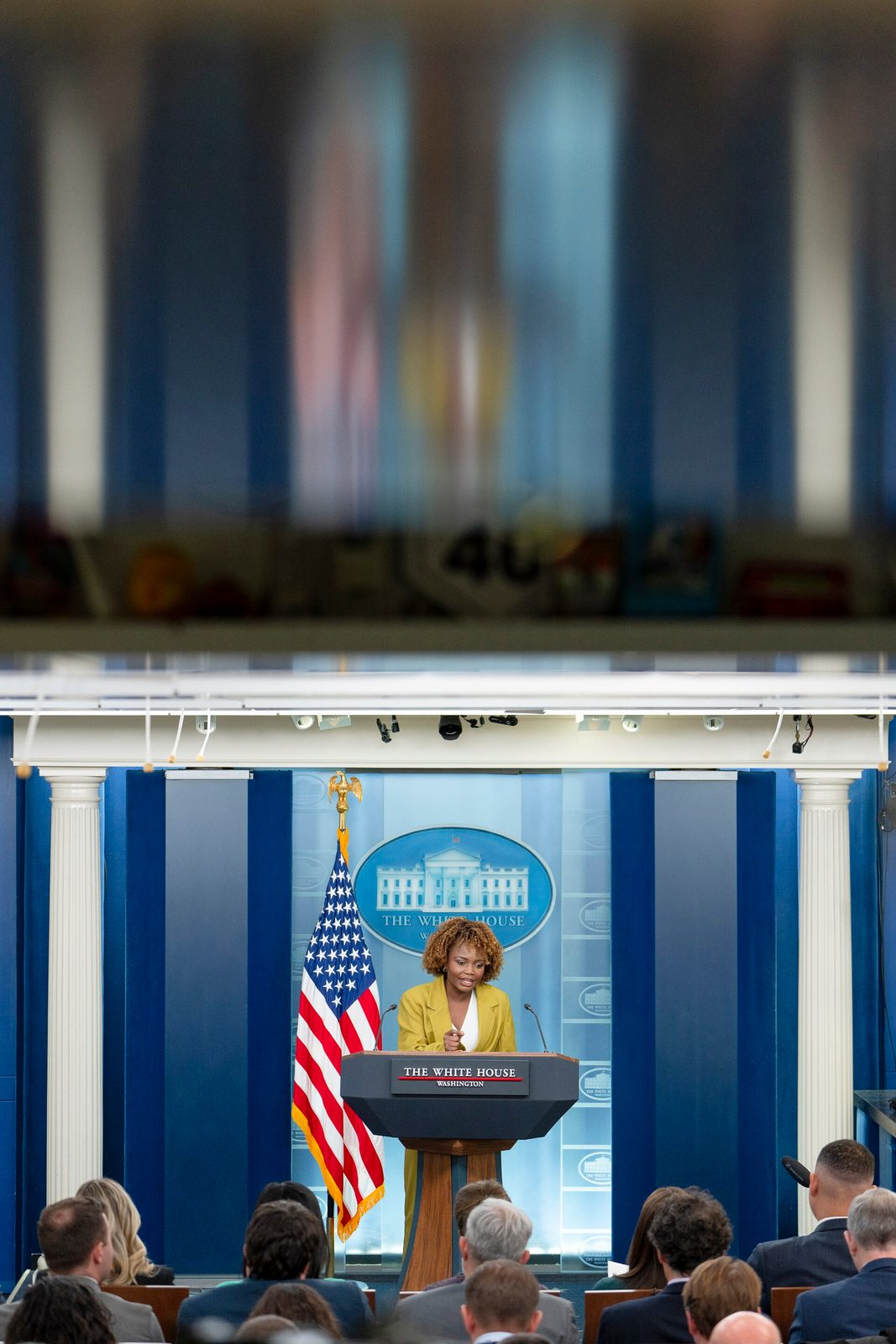
White House spokeswoman Lauren Bis said, "This administration and common-sense Republicans will continue to secure our borders, restore law and order, put more money back in the pockets of hardworking Americans, and deliver wins for the American people."
Andrew Busch, a professor of public policy at the University of Tennessee, Knoxville, said Democrats would be "very reluctant to approve any of the president's appointments," if they controlled the Senate.
The Reuters-linked preparations also included a plan to revise federal grant rules so political appointees could have greater authority over which government programs receive taxpayer funding, potentially expanding White House influence over spending without requiring congressional approval.
What changes after Tuesday
The midterm elections are scheduled for Tuesday, November 3, and the balance of power in the House and Senate could determine how much oversight and investigation Democrats can launch. Democrats need to gain four seats in each chamber to overturn Republicans’ narrow majorities, with the House at 218-214 and the Senate at 53-47, while polls point to a Democratic majority in the House and a Senate race that remains uncertain. A Democratic majority in the Senate would give the party the ability to block Trump’s judicial and executive nominees, including any potential Supreme Court nominee, while a Democratic-controlled Congress could create significant obstacles for the administration.
The Independent described the stakes as a shift in how Washington operates during the final two years, with Democrats able to block much of Trump’s legislative agenda, investigate his administration, and determine which bills reach his desk. NewsNation said Trump would still retain veto power and broad executive authority over tariffs, immigration and foreign policy even if Democrats win one or both chambers, limiting how much major legislation Democrats could enact.