USA05 October, 20252 min read
Trump and Congress Prolong Government Shutdown, Threaten Thousands of Federal Workers with Firing
Government shutdown continues due to Senate deadlock over healthcare subsidy funding. About 750,000 federal workers furloughed or facing potential permanent layoffs amid shutdown.
42 outlets told this the same way.
Outlets did split on Trump Interrupted by Protesters at San Antonio Rally for Ken Paxton →
2025 U.S. Government Shutdown
The U.S. government shutdown began on October 1, 2025, due to a budget impasse between Republicans and Democrats. The main disagreement centers on healthcare subsidies. Democrats are advocating for the extension of Affordable Care Act (ACA) subsidies and the reversal of Medicaid cuts.
“The U.S. government shutdown has entered its third day after the Senate postponed a key spending bill vote until Friday, missing a critical deadline before Yom Kippur.”
Republicans, led by President Trump, oppose these demands. As a result of the shutdown, approximately 750,000 federal workers have been furloughed.
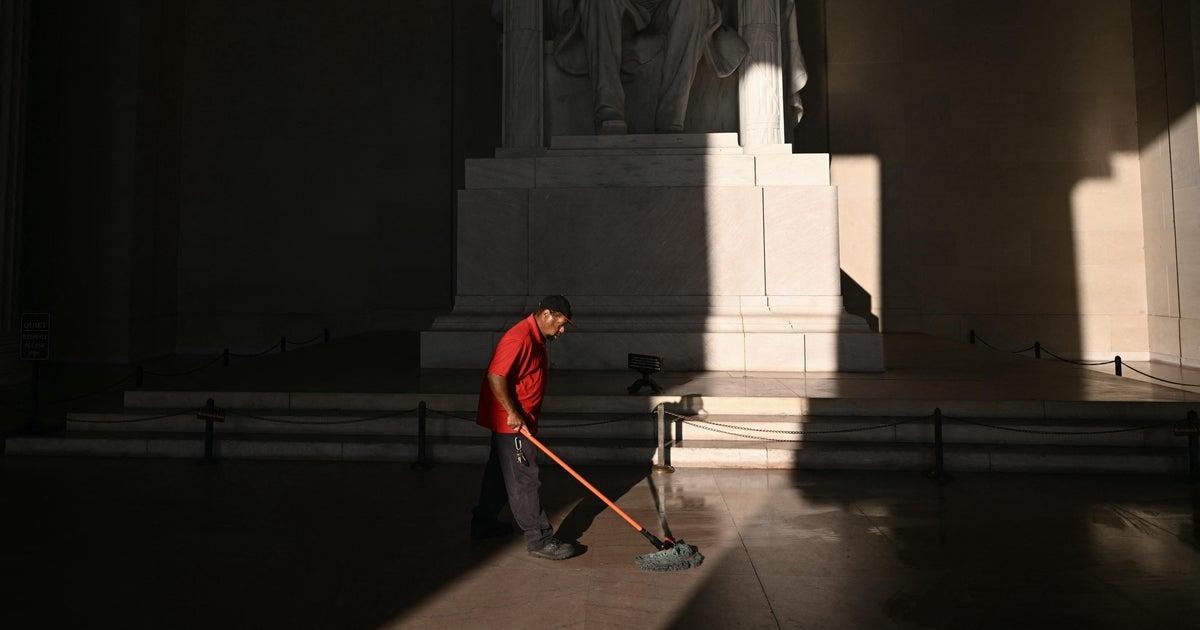
Essential services such as air traffic control and TSA operations continue to operate without pay. The Trump administration has warned of potential permanent layoffs, signaling a more severe approach than in previous shutdowns.
Government Shutdown Dispute
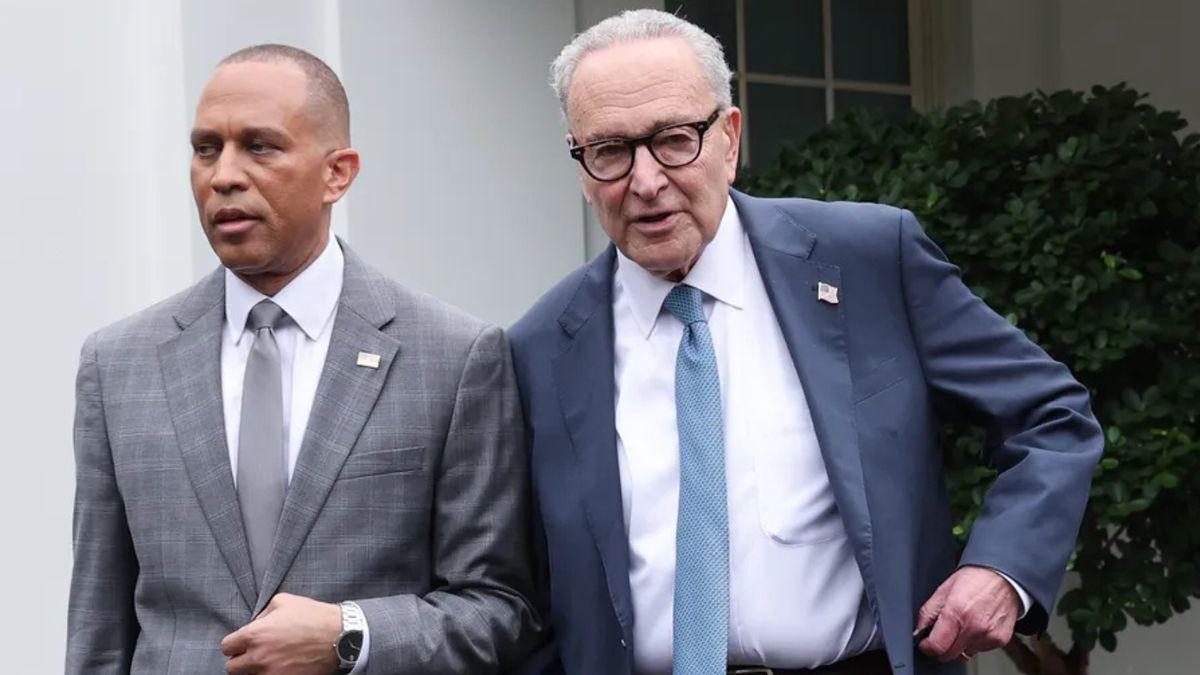
The shutdown has sparked significant political tension, with both parties blaming each other for the impasse. President Trump and Republican leaders have accused Democrats of prioritizing healthcare for undocumented immigrants over reopening the government.
In contrast, Democrats argue that the shutdown is being used as a political tool by Trump to push for budget cuts in Democratic-led agencies. The Senate has repeatedly failed to pass competing funding bills, with both parties refusing to compromise on key issues.

Economic Effects of Government Shutdown
The economic impact of the shutdown is significant, with federal workers facing uncertainty and potential job losses. The Trump administration's approach to potentially firing thousands of federal employees rather than just furloughing them is unprecedented.
“The shutdown is expected to furlough about 750,000 federal employees and close many government programs.”
This move has raised concerns among economists and labor unions about the long-term effects on the federal workforce and the economy. The shutdown has also delayed key economic reports, adding to the uncertainty in financial markets.
Political Impact of Shutdown
The political ramifications of the shutdown are significant, with public opinion divided on who is to blame. A CBS News/YouGov poll indicates widespread dissatisfaction with both parties, showing low approval ratings for President Trump, Republicans, and Democrats.
The poll reveals that a majority of Americans do not believe the shutdown is justified by either party's policies. This highlights the public's frustration with the ongoing political stalemate.
