Full story
Sixth Month, New Options
The U.S.-Israeli war in Iran entered its sixth month without a decisive military victory or a diplomatic breakthrough, as CBS News reported that President Trump and Israeli Prime Minister Benjamin Netanyahu estimated the intense part would last four to six weeks.
“estimated the intense part of the U.S.-Israeli war in Iran would last four to six weeks”
CBS News said Netanyahu counseled Trump on three options for the war: an enforceable deal focused on removal of the nuclear material, a blockade with added economic pressure, or military strikes focused on attacking land routes used for transporting supplies.

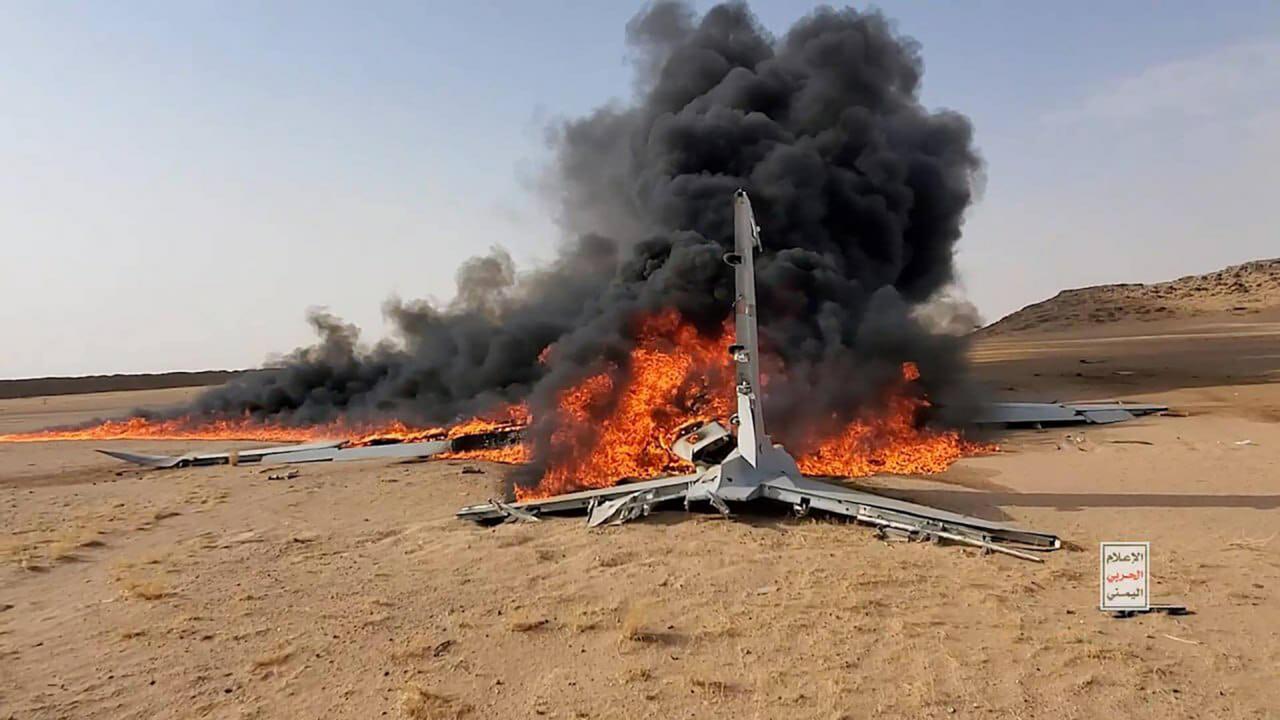
In a separate account, DW reported that the U.S. military’s Central Command (CENTCOM) said it stopped an Iranian missile attack on Tuesday afternoon, adding that "All Iranian missiles were successfully intercepted" and that U.S. forces remained vigilant.
DW also reported that Iran rejected an Omani proposal for the equal division of transport routes through the Strait of Hormuz, with Deputy Foreign Minister Kazem Gharibabadi saying the waterway would remain closed if Muscat refused to acquiesce.
Saudi Escalation, Diplomacy Stalls
ABC News described the conflict as entering a new phase as Saudi Arabia publicly joined military escalations against Tehran-backed proxies while diplomacy faltered again, with Iran’s deputy foreign minister saying Tuesday that Iran had made no requests to restart the diplomatic track in more than two weeks.
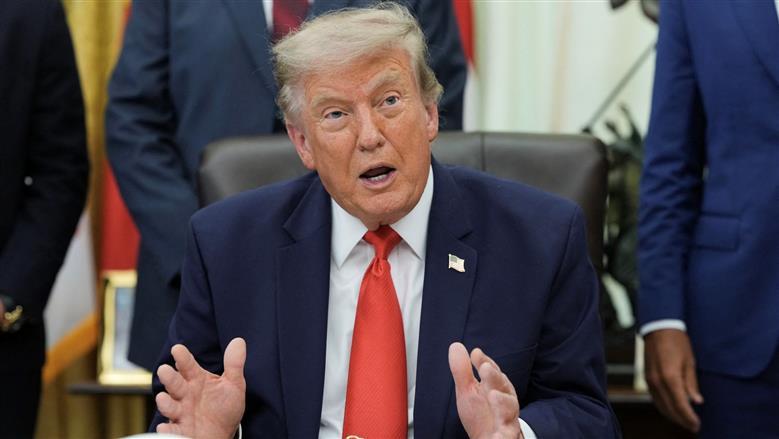
ABC News quoted Trump telling reporters in the Oval Office, “They’ve already apologized, but, you know, we got to smack them a little bit,” as the U.S. military said it launched a “a powerful response to yesterday’s attempted Iranian attacks on U.S. forces based in the Middle East.”

CBS News reported that in separate meetings with President Trump and Vice President JD Vance Wednesday, Saudi Defense Minister Khalid bin Salman conveyed the Kingdom’s assessment that Iran is trying to find leverage through escalation, including proxy forces in Yemen, the Houthis, and Iraqi militias.
CBS News also said the Saudis joined the United States in strikes against Iranian-backed militias in Iraq on Wednesday and bombed Houthis days earlier, describing the strikes as defensive actions in response to attacks on Saudi civilian infrastructure.
Nuclear Focus and Regional Risk
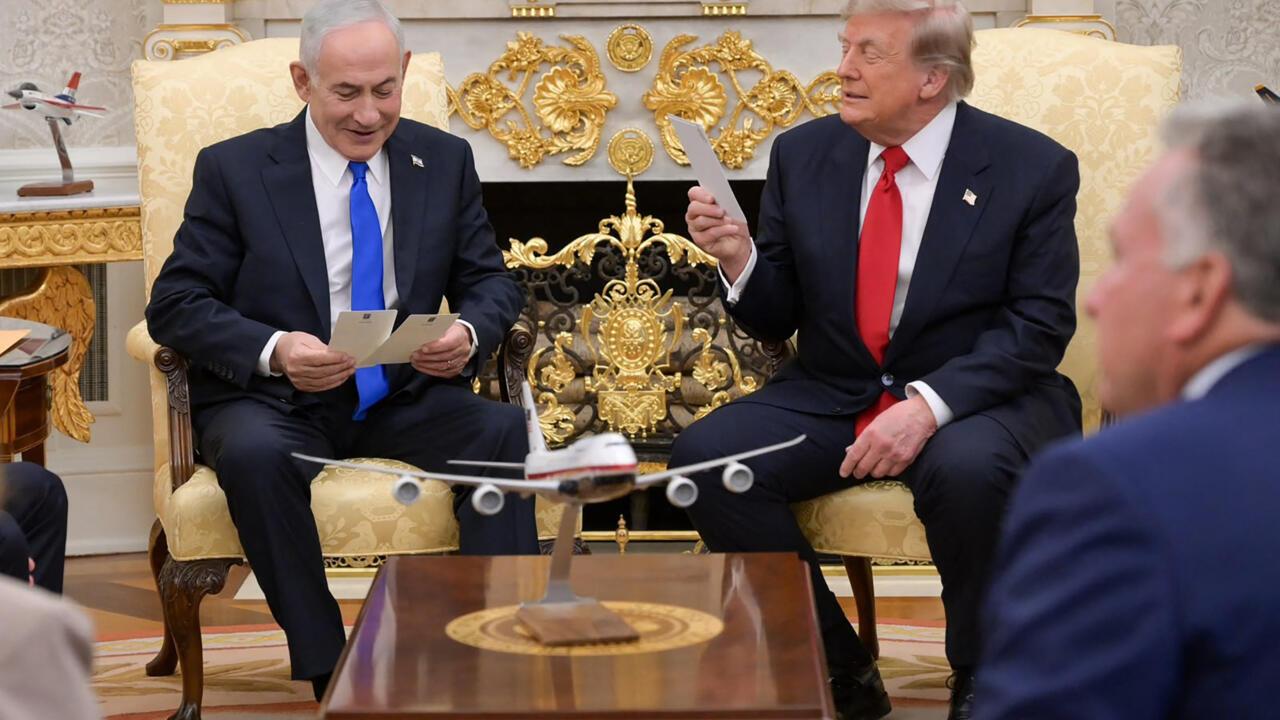
Multiple outlets tied the latest U.S.-Israeli engagement to the nuclear question, with France 24 reporting that Netanyahu praised an “excellent meeting” with President Donald Trump at the White House and confirmed their agreement on the need for Tehran not to possess a nuclear weapon.
“confirming their agreement on the need for Tehran not to possess a nuclear weapon”
France 24 also said the meeting was their first since they began the war on Iran in late February, while the U.S. military announced intercepting missiles launched from the Islamic Republic.
In a different framing, Le Monde reported that the meeting between Donald Trump and Benjamin Netanyahu was about measuring the pulse of the relationship, noting that the war began on February 28 and was supposed to last four to five weeks.
Le Monde said that as of its writing the conflict had passed the six-month mark with no end in sight, and it described the U.S. announcement on Tuesday, July 28 that it had intercepted a volley of ballistic missiles as a sudden offensive after several days of relative calm.