Iran14 May, 20263 min read
Trump and Xi Agree Strait of Hormuz Stays Open, Iran Can Never Have Nuclear Weapon
Iran must not possess a nuclear weapon, per Trump-Xi agreement. Strait of Hormuz must remain open for global energy shipments.
NBC News was read line by line by the Watchdog: 4.0. See the score →
Hormuz and nuclear red line
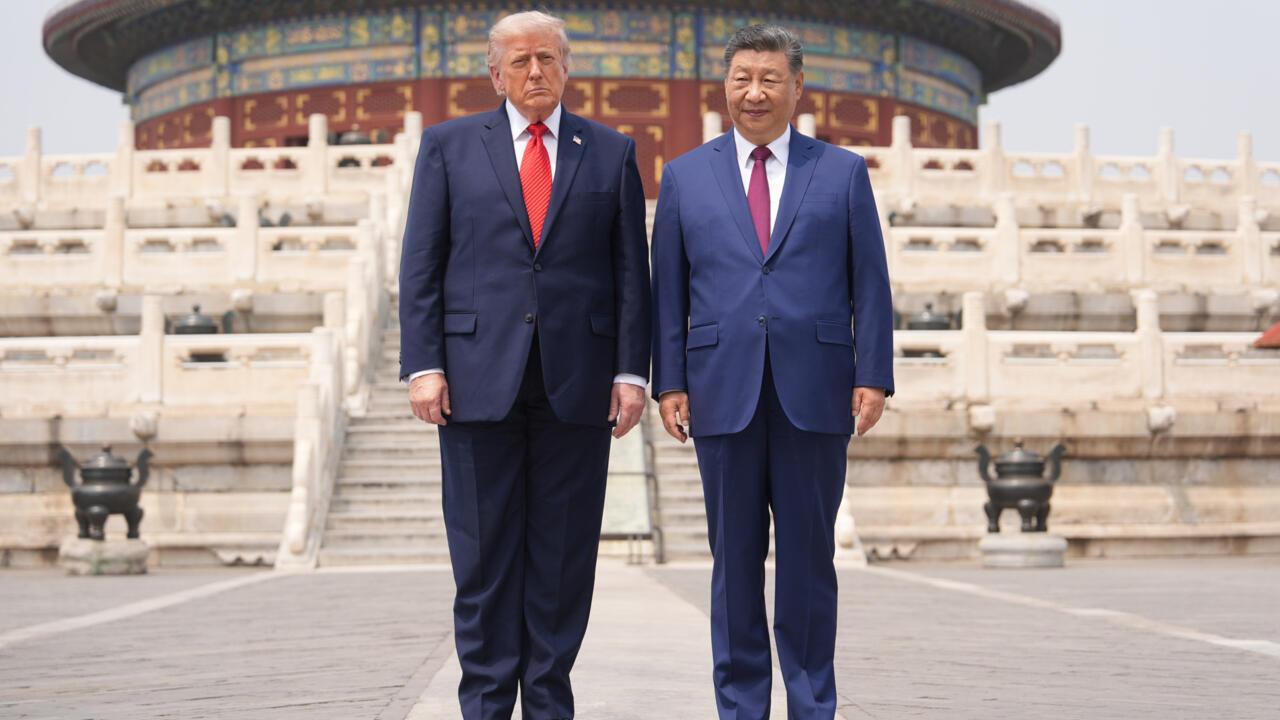
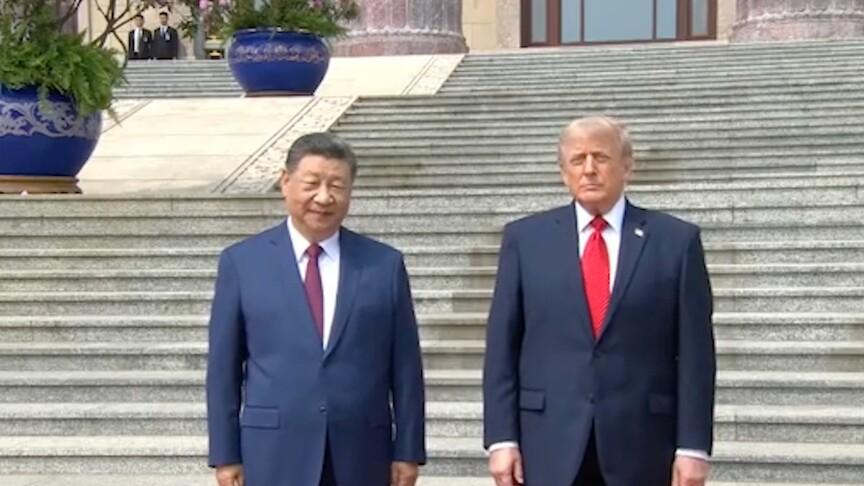
U.S. President Donald Trump and Chinese leader Xi Jinping agreed in Beijing that the Strait of Hormuz must remain open to support the free flow of energy and that Iran can never have a nuclear weapon, according to a White House readout.
The New York Post reported the White House readout saying “Both countries agreed that Iran can never have a nuclear weapon,” while Reuters coverage cited the White House position that the strait must stay open and free from militarization.
The New York Post also tied the Strait of Hormuz to the Iran conflict, saying it has effectively been closed since the US and Israel launched Operation Epic Fury on Feb. 28.
NBC News reported Secretary of State Marco Rubio telling NBC News that the Chinese side said they are “not in favor of militarizing the Straits of Hormuz,” and that the United States was not asking for Beijing’s help with Iran.
Korea JoongAng Daily said the White House readout described the meeting as including opposition to militarization and any effort to charge a toll for use of the strait, while also reporting that the summit ended with “little more than a verbal understanding” to contain tensions.
Rubio’s framing and China’s focus
In an interview with NBC News, Secretary of State Marco Rubio said the Chinese side’s position was that they are “not in favor of a tolling system,” and he added that the United States was “not asking for China’s help.” Rubio also told NBC News that Trump and Xi discussed the Iran war and the blockade of the Strait of Hormuz, while NBC News reported that Rubio said the United States was not immune to global oil prices. The Korea JoongAng Daily account said the White House readout detailed Trump and Xi’s talks on Iran, while the Chinese summary focused on Taiwan and that “the issue of Taiwan — perhaps the most combustible flashpoint” remained unresolved.
Hürriyet Daily News reported that Xi warned Trump that missteps on Taiwan could push the two nations into “conflicti” and that Xi said, “The Taiwan question is the most important issue in China-U.S. relations.” The New York Post added that the US-Iran cease-fire, which has been in place since April 8, is hanging by a thread, and it quoted Mohammad Bagher Ghalibaf writing on X that “We are prepared for all options.”

Energy stakes and next moves
The New York Post described the Strait of Hormuz as a vital route where between 20% and 25% of the world’s oil supply passes, and it said Tehran has been strengthening its grip on the shipping lane with more than 300 fast boats detected on Wednesday, down from 454 reported on Tuesday. Radio Free Europe/Radio Liberty reported that Iran has effectively blocked the Strait of Hormuz since the United States and Israel began their strikes on Iran, while also saying the United States has continued its naval blockade of Iranian ports despite a fragile cease-fire established on April 8. Anadolu Ajansı reported that the White House said Trump and Xi agreed on preventing Iran from possessing a nuclear weapon and stressed the need to keep the Strait of Hormuz open, while also noting that China did not issue an immediate comment.
France 24 reported UAE foreign ministry denial of reports that Israeli Prime Minister Benjamin Netanyahu held a “secret” meeting with the UAE president during the Israel-US war with Iran, and it also carried a separate item saying Trump said he does not expect to need Beijing’s help to end the war with Iran and ease Tehran’s grip on the Strait of Hormuz. The New York Post also reported that Windward AI detected more than 300 of Tehran’s fast boats on Wednesday and that Washington claims around 90% of Iran’s navy has been either obliterated or severely degraded, while it said US intelligence reports appear to paint a different picture.