
Trump Arrives In Beijing As US Seeks China Support To Resolve Iran War
Key Takeaways
- Three Republican senators joined Democrats to advance a war-powers limit on Iran.
- Senate rejected efforts to curb Trump's Iran war powers, despite GOP defections.
- 60-day congressional authorization deadline expired, fueling ongoing oversight battles over Iran strategy.
Ceasefire, strikes, and talks
President Donald Trump arrived in Beijing as the United States sought China’s support to step up efforts to resolve the war with Iran, with Secretary of State Marco Rubio telling Fox News, "It's in their interest to resolve this."
Rubio said the administration hoped to convince China "to play a more active role in getting Iran to walk away from what they're doing now and trying to do now in the Persian Gulf," as Trump’s visit came after the United States and Iran announced a ceasefire on April 7.

The ceasefire has not stopped an exchange of strikes, and the United States and Iran have continued competing to maintain control over the Strait of Hormuz, which the USA Today report described as the critical oil shipping channel off the coast of Iran.
The article also tied the conflict’s uncertainty to economic pressure, citing Bureau of Labor Statistics officials reporting inflation rose 3.8% from a year ago and a Wednesday average price for a gallon of gas across the country of $4.53.
Pentagon officials told lawmakers the war has cost the military $29 billion so far, even as peace talks appeared at an impasse and Chinese officials called for a restoration of shipping through the critical channel off the Iranian coast.
Senate votes and war powers
In Washington, the Senate rejected a Democratic-led measure to halt the war in Iran, with the Washington Post describing it as a sign of durable Republican support for the military campaign even after a legal deadline lapsed.
Politico reported that Republican divisions deepened as three GOP senators voted with Democrats to curtail the conflict, producing a 49-50 vote and marking the first such vote since the Trump administration blew past a legal deadline to wind down the war effort.

Politico said the 1973 War Powers Resolution requires military operations to wind down after 60 days unless Congress authorizes continued action, while the administration argued the deadline doesn’t apply because of a ceasefire with Iran that Trump has extended indefinitely.
The same Politico account said the U.S. Navy is still blockading Iranian ports to try to force Tehran to relinquish its closure of the critical Strait of Hormuz, and it quoted Sen. John Barrasso of Wyoming saying, "This week, President Trump is meeting with China overseas."
Politico also reported that Pentagon officials told lawmakers in budget hearings Tuesday the campaign has cost $29 billion so far, up from a previous estimate of $25 billion the administration provided Congress in April.
Hegseth, Murkowski, and stakes
Defense Secretary Pete Hegseth told the Senate Appropriations Committee that President Donald Trump does not need congressional approval to restart strikes on Iran despite surpassing the 60-day limit allowed under federal law, saying, "we would have all the authorities necessary to do so."
Hegseth’s testimony came after the administration said earlier in May that hostilities had ceased with Iran, but Murkowski pressed him on whether the war powers resolution required termination within 60 days, warning, "It doesn't appear that hostilities have ended."
CBS News reported that the resolution would have directed the president to remove the United States Armed Forces from hostilities within or against Iran unless explicitly authorized by a declaration of war or a specific authorization for use of military force, and it said the motion to discharge the resolution from committee failed by a vote of 49 to 50.
CBS News also quoted Sen. Jeff Merkley of Oregon ahead of the vote, saying the war is "at a different stage, and it may heat up again," while Sen. Jim Risch of Idaho argued that the hostilities referenced in the war powers resolution "do not exist today and have not existed for some time."
The stakes in the sources centered on whether Congress would be able to assert oversight after the 60-day threshold, with Murkowski telling reporters she expected "to get more clarity from the administration" after the window passed but had not received it.
More on Iran

Israeli Strike Kills Ayatollah Ali Khamenei, Buried at Imam Reza Shrine in Mashhad
19 sources compared
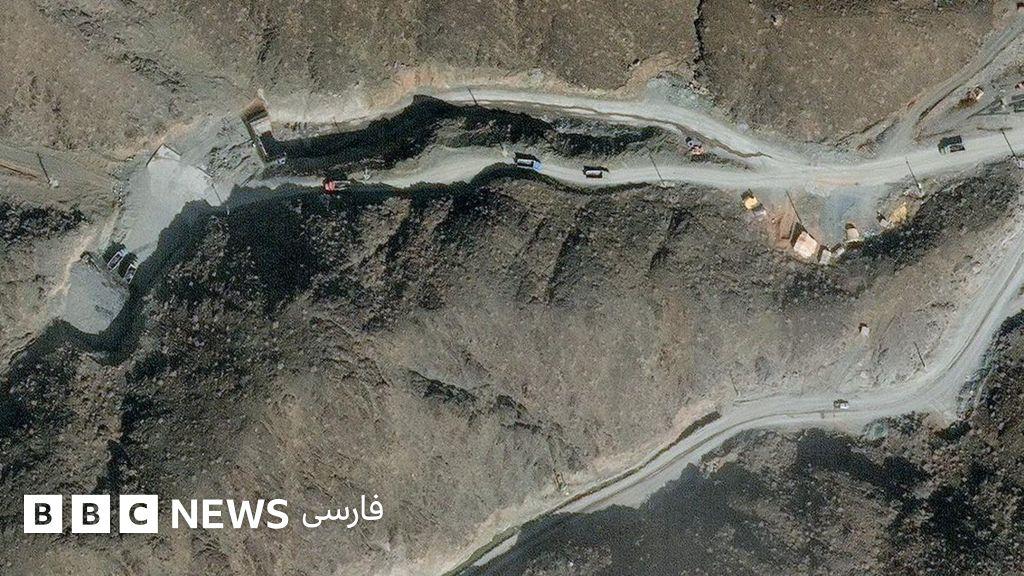
Iran Attempts To Restore Nuclear Sites Damaged In US And Israel Strikes, CNN Satellite Images Show
15 sources compared

Abbas Araghchi and Prince Faisal Bin Farhan Discuss Regional Developments After US Attacks
11 sources compared

Trump Says U.S. Agreed to Continue Iran Talks, Ceasefire Is Over
19 sources compared