Trump Attacks Iran as House Rejects War Powers Resolution
Key Takeaways
- House narrowly rejected a war powers resolution to halt Trump's Iran attacks.
- The move followed the Senate's earlier step on Iran policy.
- White House Iran attack justification allegedly plagiarized from the FDD think tank.
Congressional Rejection
The U.S. Congress demonstrated significant unease over President Trump's escalating conflict with Iran as both the House and Senate rejected war powers resolutions.
“Lisa Mascaro, Associated PressLisa Mascaro, Associated Press Stephen Groves, Associated PressStephen Groves, Associated Press Mary Clare Jalonick, Associated PressMary Clare Jalonick, Associated Press Leave your feedback WASHINGTON (AP) — The House narrowly rejected a war powers resolution Thursday to halt President Donald Trump's attacks on Iran, an early sign of unease in Congress over the rapidly widening conflict that is reordering U”
The House narrowly defeated a resolution to stop Trump's attacks on Iran by a vote of 212-219, while the Senate had previously defeated a similar measure by a 47-53 tally.

These votes marked the second and third such rejections in as many days, revealing deepening congressional concerns about the rapidly widening conflict.
Lawmakers are confronting the complex reality of representing wary Americans in wartime, with lives lost, substantial dollars spent, and alliances being tested.
The president made his decision to go to war with Iran unilaterally, bypassing Congress which alone has the power to declare war.
Partisan Divide
The congressional votes exposed stark partisan divisions over the Iran conflict, with Democrats expressing grave concerns while Republicans largely supported Trump's actions.
Representative Yassamin Ansari, D-Ariz., who is the daughter of Iranian immigrants, voiced particular concern about the devastating impact of war.
Ansari stated that 'war carries profound and deadly consequences for our troops, for the American people and for the entire world.'
Democrats proposed an alternative resolution allowing the president to continue the war for 30 days before seeking congressional approval.
Republican Senator John Barrasso accused Democrats of 'rather obstruct Donald Trump than obliterate Iran's national nuclear program.'
Questionable Justification
Serious questions have emerged about the Trump administration's justification for attacking Iran.
“Lisa Mascaro, Associated PressLisa Mascaro, Associated Press Stephen Groves, Associated PressStephen Groves, Associated Press Mary Clare Jalonick, Associated PressMary Clare Jalonick, Associated Press Leave your feedback WASHINGTON (AP) — The House narrowly rejected a war powers resolution Thursday to halt President Donald Trump's attacks on Iran, an early sign of unease in Congress over the rapidly widening conflict that is reordering U”
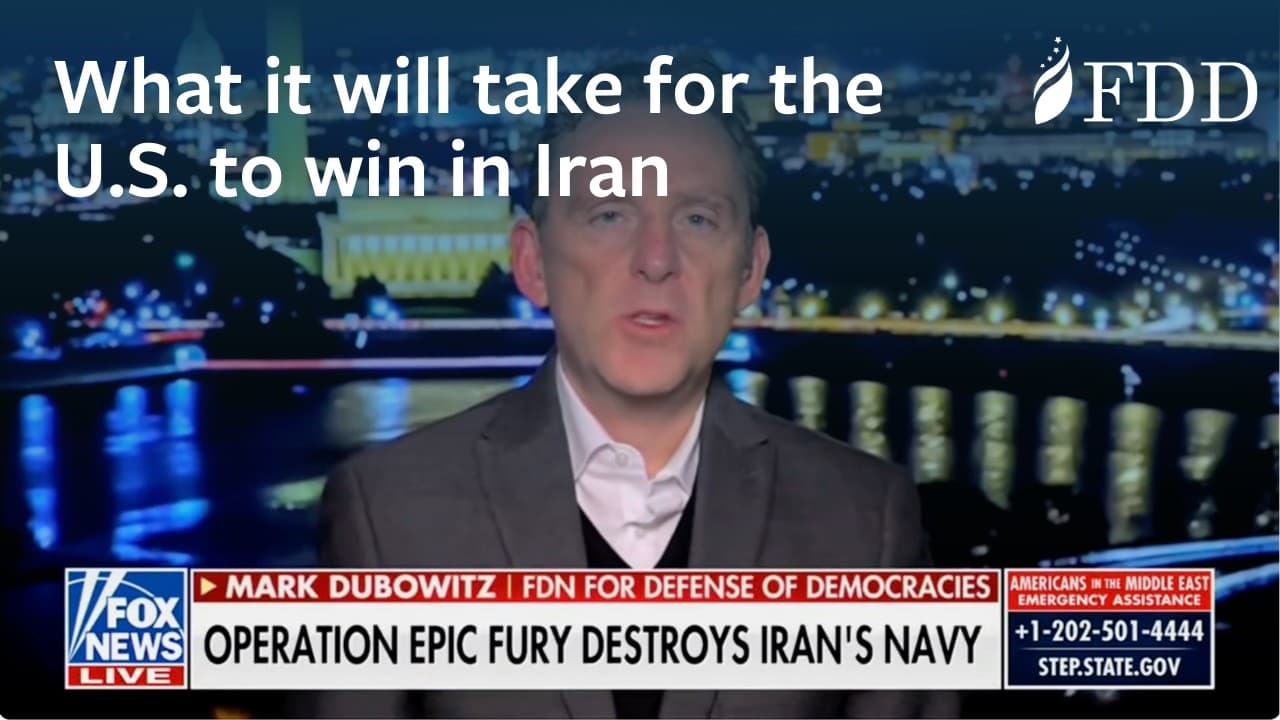
The White House plagiarized its official reasoning from a pro-war think tank with close ties to Israeli intelligence.
The Foundation for the Defense of Democracies (FDD), originally founded to 'enhance Israel's image,' provided the template for the White House's March 2, 2026 statement.
Analyst Stephen McIntyre noted the White House document was 'virtually identical' to the FDD list from June 2025.
The White House made superficial alterations by appending 'Iran-backed' labels and edits to 'ratchet up the underlying allegation.'
Controversial Claims
The Trump administration's claims about Iranian responsibility for American deaths have come under scrutiny.
The White House echoed FDD in blaming Tehran for 603 military deaths in Iraq, attributing these to 'Iran-backed militias.'
This figure represents 60% of total US combatant deaths attributed to Iran, but the claim is not made in State Department annual reports.
The 1996 Khobar Towers attack example is particularly controversial, with the administration upgrading language from 'deemed responsible' to 'asserted as factual.'
Journalist Gareth Porter's investigation found the FBI inquiry was 'precooked to blame Iran' when Al Qaeda was likely the culprit.
Shia citizens of Saudi Arabia had been tortured into confessing by Saudi secret police.
Evidence Undermined
Further undermining the administration's case for war are revelations about the backgrounds of alleged Iranian victims.
“Lisa Mascaro, Associated PressLisa Mascaro, Associated Press Stephen Groves, Associated PressStephen Groves, Associated Press Mary Clare Jalonick, Associated PressMary Clare Jalonick, Associated Press Leave your feedback WASHINGTON (AP) — The House narrowly rejected a war powers resolution Thursday to halt President Donald Trump's attacks on Iran, an early sign of unease in Congress over the rapidly widening conflict that is reordering U”
At least four of the Americans claimed to have been killed by Iran had actually served in Israel's military.
These included a US citizen who died while invading Lebanon in 2006 and two Americans in the IDF's Golani brigade killed while invading Gaza in 2014.
The administration's evidence has been contradicted by its own sources, as seen in a December 2019 incident at K1 Air Base in Kirkuk, Iraq.
The Reuters article cited by the White House made no claim Iran was responsible, suggesting Islamic State militants were likely responsible.
The administration's claim about Iran involvement in a 2024 drone attack on a US base in Jordan is also questionable.
Defense Secretary Lloyd Austin stated at the time that 'we don't know' how operationally involved Iran was.
More on Iran
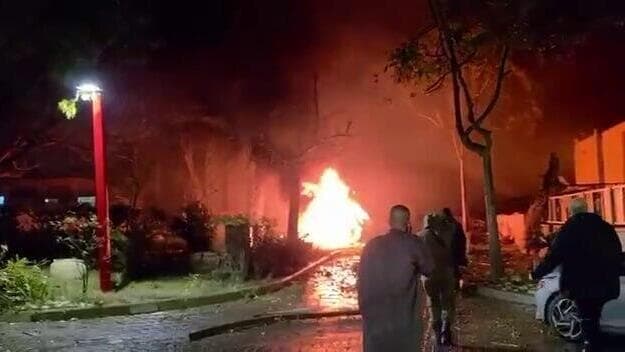
Iran Attacks Israeli Towns Dimona and Arad Near Israel's Main Nuclear Research Center, Dozens Wounded
43 sources compared
Iran Attacks Dimona in Retaliation for Natanz Strike
44 sources compared

Iran Attacks Diego Garcia with Long-Range Missiles, Targeting U.S.-UK Base
82 sources compared
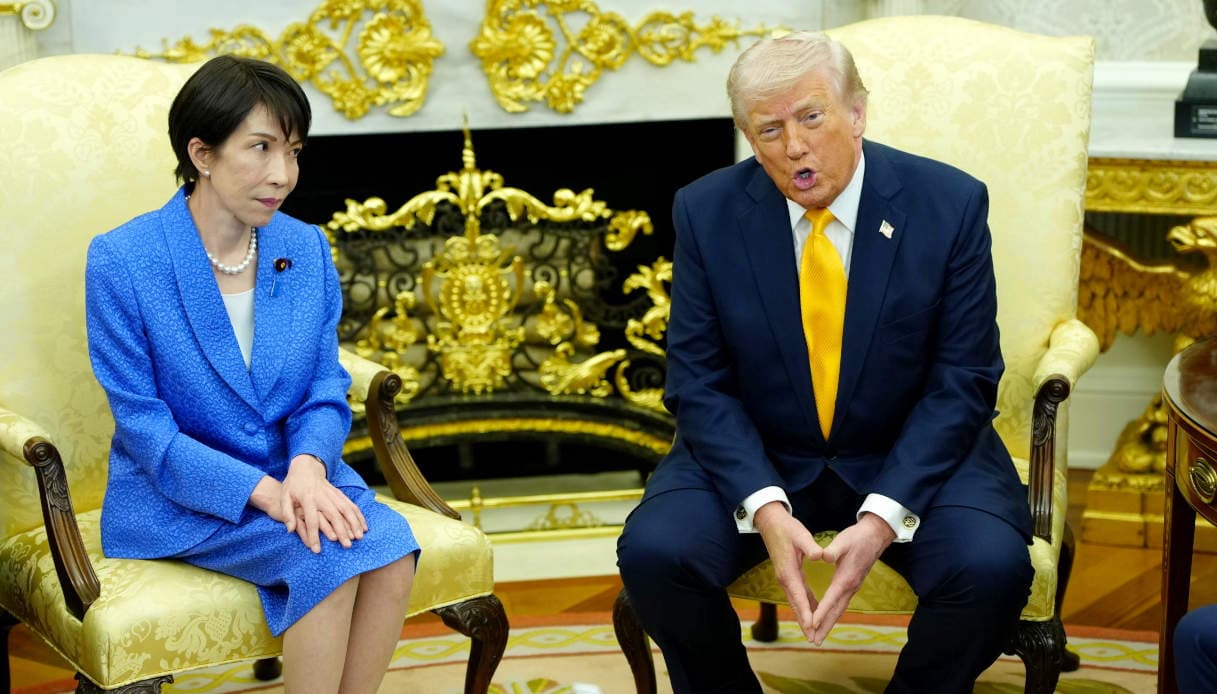
Trump Defends Iran War by Citing Pearl Harbor
12 sources compared