USAupdated 1h ago3 min read
Archive photo · 2 June 2025Trump Calls Abdul El-Sayed A Jihadist At Port Huron Rally, Cites Flight 93
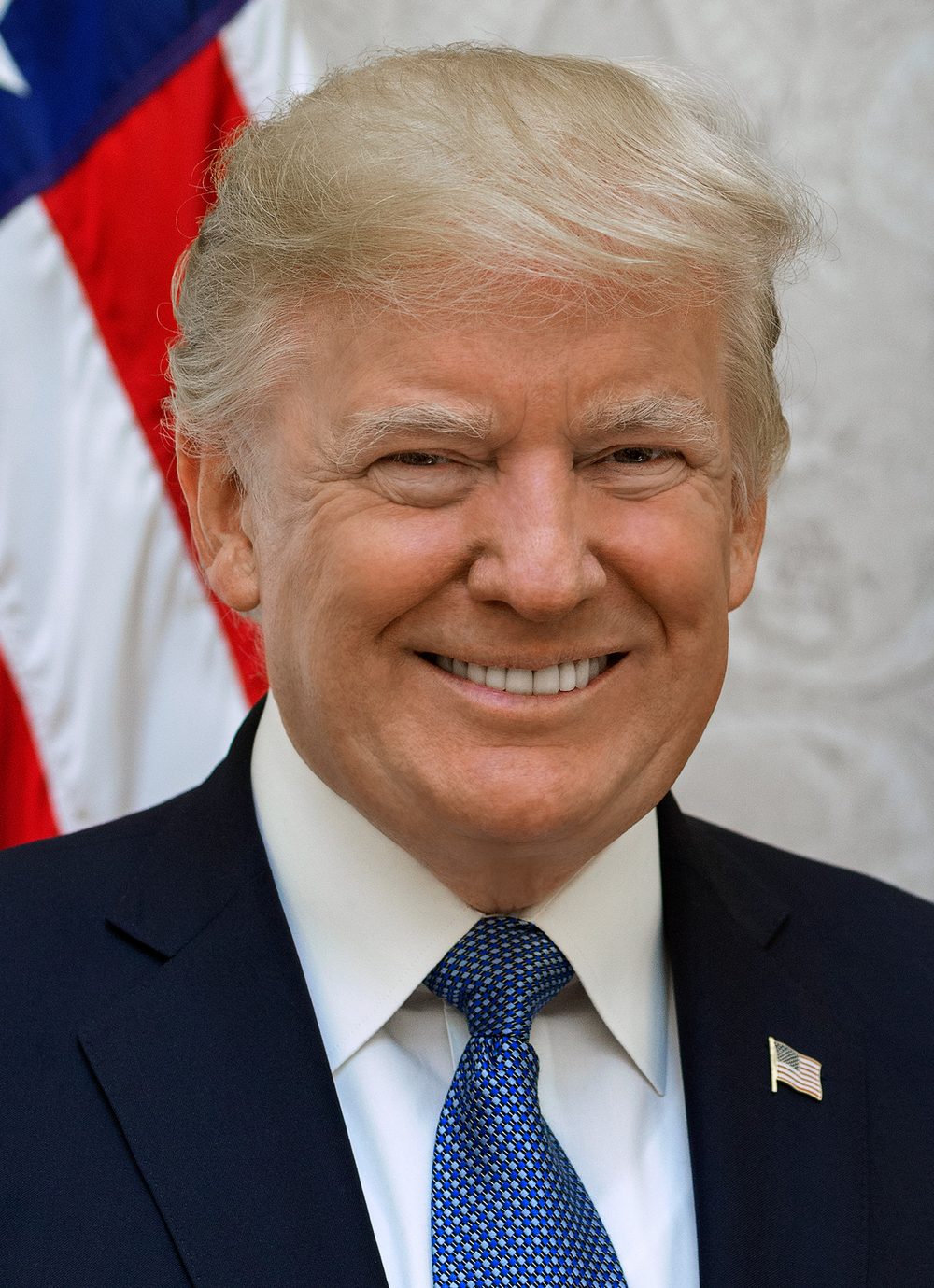
6 Western Mainstream4 West Asian3 OtherPhoto: Daniel Torok / US federal government, Public domain · Cropped for layout
This article is an automated aggregation of coverage from news outlets. Our editorials offer in-depth analysis curated by the NewsCord team.
Trump labeled Abdul El-Sayed a jihadist at Port Huron rally. Trump claimed El-Sayed linked to the Muslim Brotherhood without evidence.
Port Huron Rally Escalation
President Donald Trump intensified his attacks on Democratic Senate candidate Abdul El-Sayed at a rally in Port Huron, Michigan, calling him a “jihadist” and saying he was “on the side of the terrorists.” Trump also told the crowd that El-Sayed “would have to go through a metal detector before he’s allowed to go into the Senate,” and he compared blocking El-Sayed to the passengers who fought back against the hijackers aboard United Airlines Flight 93 during the September 11, 2001 attacks. El-Sayed, who is a Democratic Senate candidate in Michigan and would become the first Muslim senator in the United States if he wins, denied ties to extremist organizations and called the attacks “deflections and deceptions based on no evidence.”
Mike Rogers, the Republican opponent and former Congressman, joined Trump at the Port Huron rally, and Rogers told NBC’s “Meet the Press” that he “never called him a terrorist.” El-Sayed and Rogers are contesting the seat being vacated by Democratic Senator Gary Peters, and the November 3 vote will decide one of the races that could determine which party controls the Senate.
Constitutional Clash and Backlash
El-Sayed dismissed Trump’s anti-Muslim attacks at a news conference in Detroit, saying Trump was trying to move attention away from issues that matter to Americans, including petrol prices and the war on Iran. El-Sayed told supporters that he does not care how Trump pronounces or misrepresents his name, saying, “I’ll be Senator Muhammad to you, bro.” Bishara Bahbah, founder of Arab Americans for Trump and later Arab Americans for Peace, condemned Trump’s remarks as racist, saying, “The president’s statements are out of line and crazy.”
The Constitution’s Article VI was cited in the coverage as prohibiting religious tests for federal office, while Article I, Section 3 sets a minimum age of 30, at least nine years of United States citizenship, and residency in the represented state at the time of election. Associated Press notes that there is no evidence that El-Sayed belongs to the Muslim Brotherhood, and El-Sayed has repeatedly rejected the accusation as humiliating.
Race Stakes and Community Fallout
The Michigan Senate race between El-Sayed and Mike Rogers is framed as a contest that could determine control of the chamber for the next two years, with the seat currently held by the Democrats. The Hill reported that Trump’s anti-Muslim attacks are part of a final stretch of campaigning, and it quoted Trump saying the Democrats would “open the floodgates and invite hordes of jihadis to our shores.” El-Sayed’s campaign response emphasized that the attacks were aimed at diverting the campaign from voters’ everyday concerns, and he said Republicans were talking about him without offering solutions.
Arab American political figures described the backlash differently, as Bishara Bahbah said Trump’s statements were “inappropriate” and “crazy,” while El-Sayed’s spokesman Cole Wozniak said the attacks were “desperate, bad-faith attacks.” The coverage also tied the dispute to a broader constitutional and political argument about loyalty, with the reporting noting that religion is not a legal requirement to access the Senate and that the dispute shifts from political positions to suspicion about a Muslim citizen’s loyalty.