Full story
Trump pauses Iran strikes
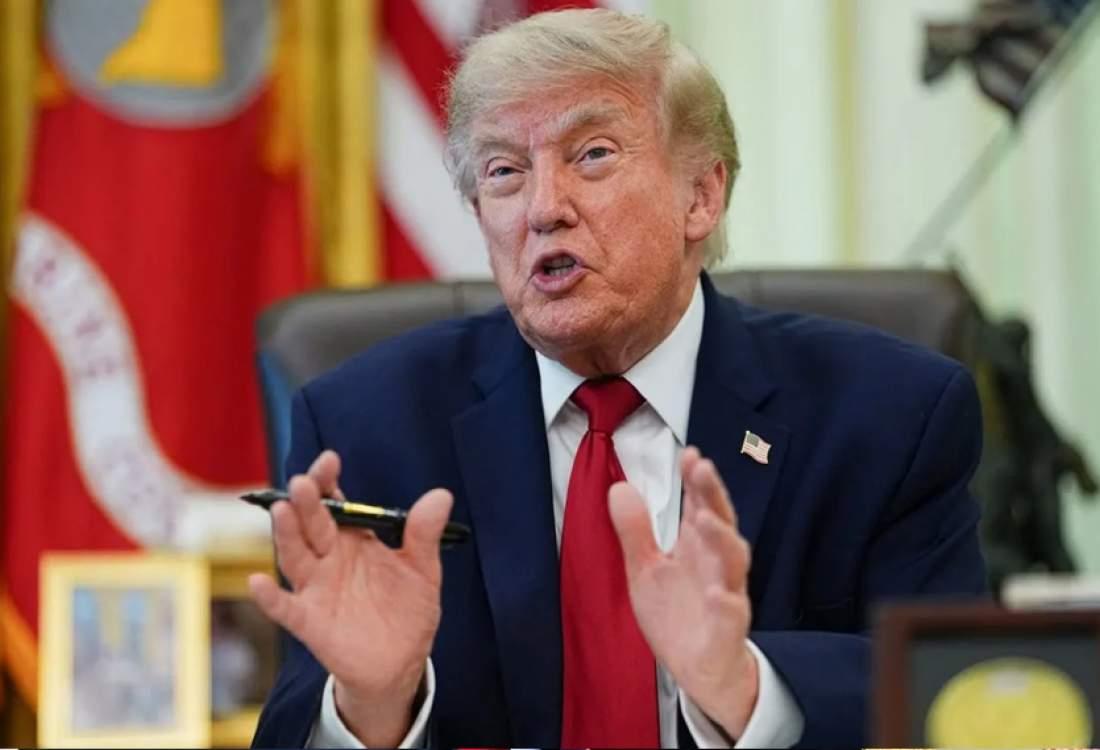
President Donald Trump said he canceled a planned attack on Iran after he was asked by Iran and other Middle Eastern countries to “hold off any attack” in the “perimeters of a deal,” with the U.S. and Israel having previously planned what CBS News described as “one of the to date against energy infrastructure targets in Iran.”
“President Trump said negotiations with Iran are set to begin Monday”
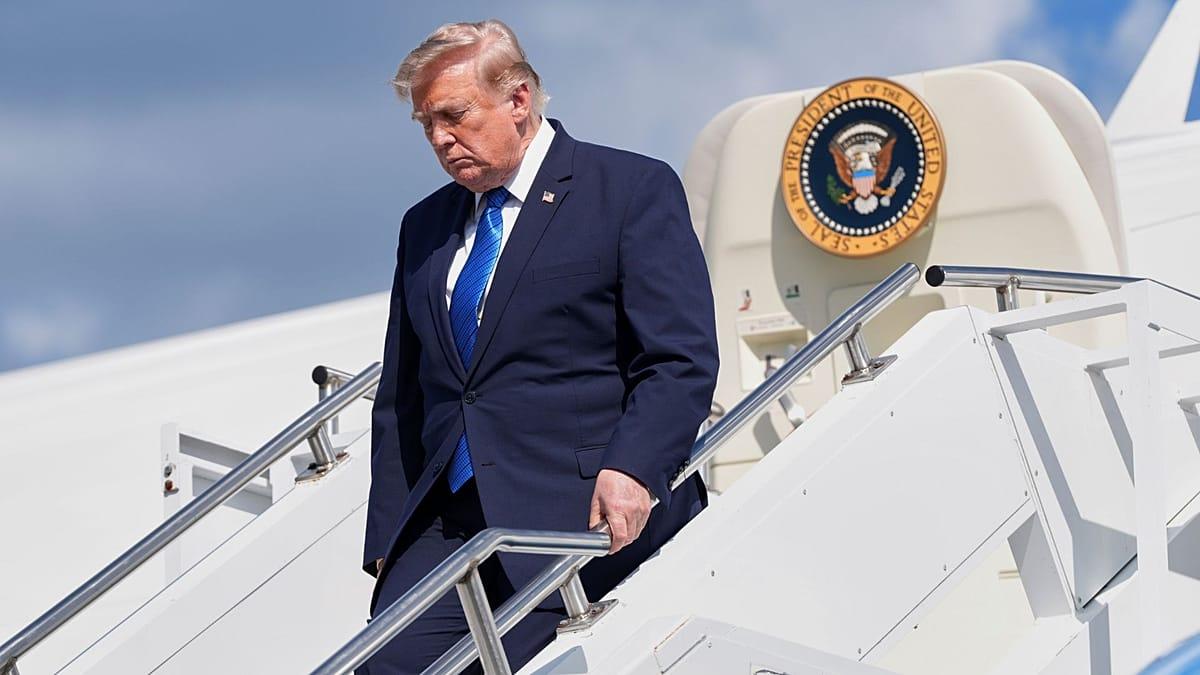
Trump said the deal would include the “Immediate, Complete, and Total OPENING OF THE HORMUZ STRAIT, and an end to Iran's nuclear threat,” and he told reporters aboard Air Force One that the decision to hold off attacks meant it “would have been disastrous for them and they didn't want us to do it.”

Iran’s defense minister said on X that the country was “neither surprised nor passive” and remains on alert, while a regional official involved in mediation efforts told the Associated Press that the proposal calls for the U.S. and Iran to return to negotiations and continue working out issues that had stymied prior progress.
CBS News also reported that Saudi Crown Prince Mohammed bin Salman spoke with President Trump on Saturday and cautioned him against conducting a fresh round of strikes on Iran, as negotiations with Iran were set to begin Monday afternoon.
Debate over credibility
As Trump said talks would resume on Monday after canceling the planned attack contingent on “rapidly” making a deal, Sen. John Kennedy, R-La., told “Meet the Press” that the president should not trust Iran’s word, saying, “Well, it may not be.”
Iran’s acting minister of defense, Majid Ibn al-Reza, responded on X that U.S. remarks should be viewed as “psychological and cognitive warfare,” and he said the threat of further strikes would be taken “as the basis for increasing readiness, strengthening deterrence, and enhancing our own power.”
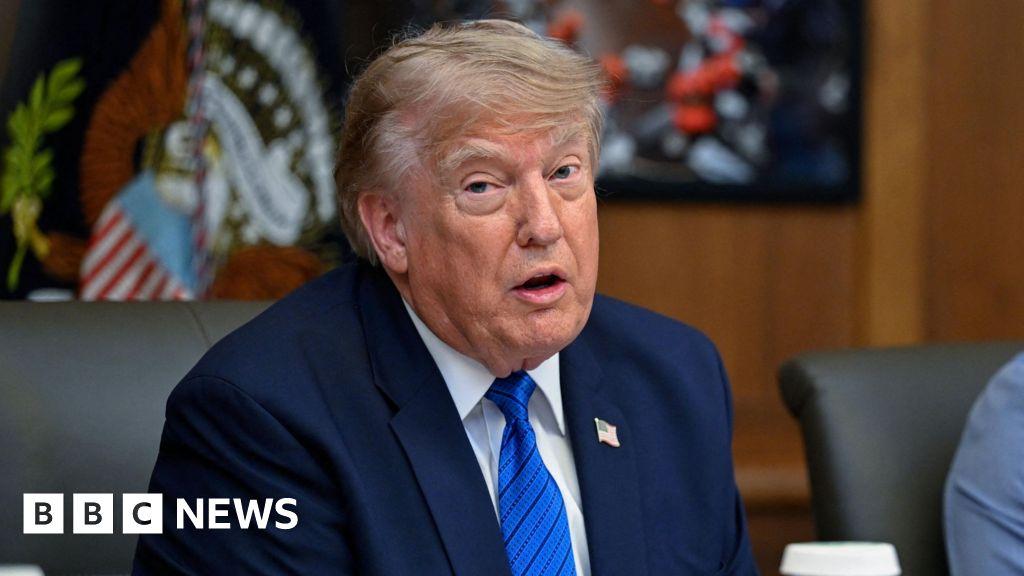
The BBC reported that Iran’s semi-official Mehr news agency denied Tehran asked the U.S. to hold off on further military action and called Trump’s claims “nothing but a new lie,” while the BBC also said Trump had previously warned on 7 April that “a whole civilisation will die tonight” if Iran refused to engage in peace talks.
NBC News described the U.S. pause as “subject to being able to rapidly make a DEAL,” and it said the statement came after the State Department urged Americans across the Middle East to consider leaving the region or be prepared to depart on short notice.
What’s at stake next
The proposed framework described by CBS News and NBC News centers on reopening the Strait of Hormuz and halting attacks across the region, including by Iranian-backed militias in Iraq on the Arab Gulf countries and Jordan, while the U.S. would end its naval blockade on Iran and allow Tehran to export its oil as stated in the tentative ceasefire deal.
“Brent crude, the international benchmark, fell about 5.6% to about $83 a barrel”
CNN reported that the Strait of Hormuz has been impassable since fighting resumed between the U.S. and Iran on July 8, and it said roughly 20 million barrels of oil transited the strait before the war began, with shipping traffic increasing following the ceasefire and the release of 200 million barrels during the pause in hostilities.
CNN also tied the diplomatic shift to economic pressure, saying Brent crude fell about 5.6% to about $83 a barrel and US crude fell about 5.5% to about $80 a barrel after Trump announced a pause in strikes, while it noted the national average for a gallon of gasoline was $4.09 on Sunday.
CBS News added that more than 50,000 American troops remain deployed in the Middle East, with some 18 U.S. service members dead and hundreds more injured or wounded, and it said Trump has approved another $67 billion to cover the costs of the campaign with Iran.