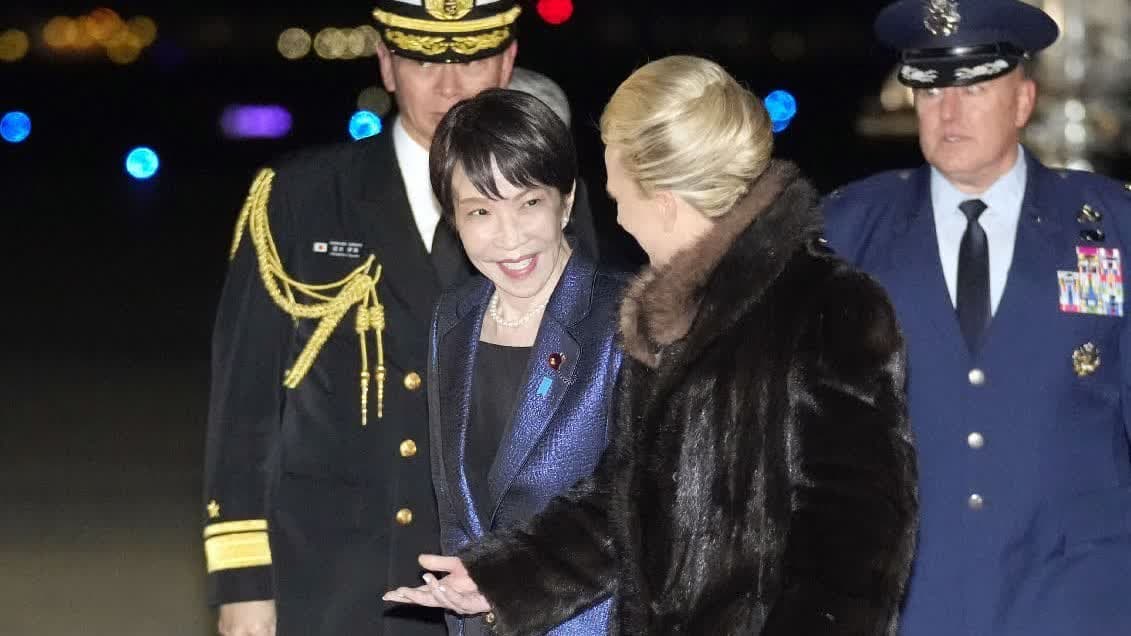
Trump Cites Pearl Harbor to Defend Iran War, Sparking Unease in Japan
Key Takeaways
- Trump compared Iran strikes to Pearl Harbor during meeting with Japan's PM.
- Japanese Prime Minister Sanae Takaichi appeared uneasy during the Pearl Harbor remark.
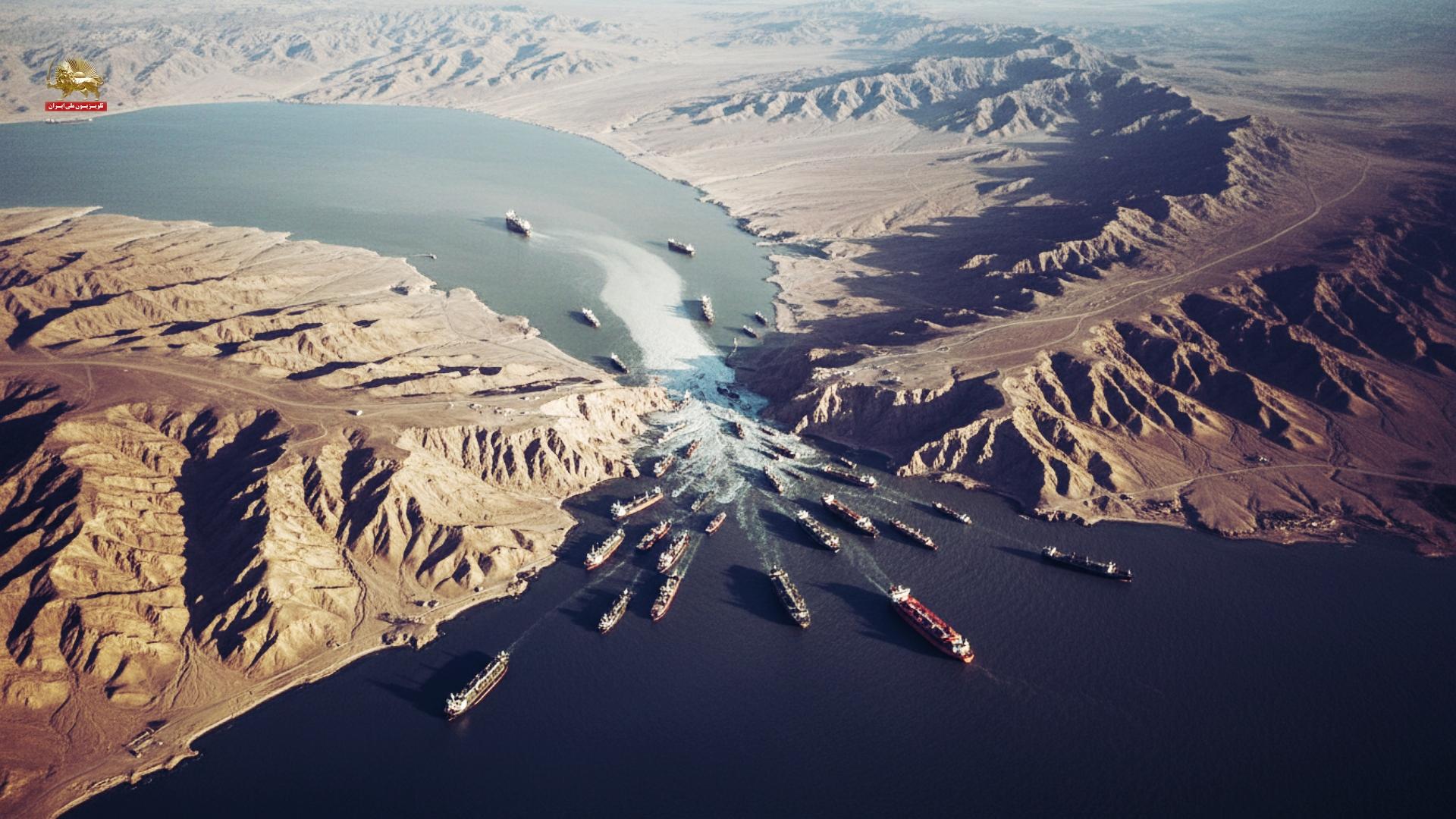
- Trump urged allies to help secure the Strait of Hormuz, including Japan.
Trump's Controversial Remark
US President Donald Trump sparked international controversy during a White House meeting with Japanese Prime Minister Sanae Takaichi by invoking Japan's 1941 Pearl Harbor attack to justify his decision not to inform allies before launching the US-Israel war against Iran.
When asked by a Japanese journalist why he failed to notify allies about the February 28 strikes, Trump responded: 'Who knows better about surprise than Japan? Why didn't you tell me about Pearl Harbor?'

The president emphasized that secrecy was crucial for the operation's success, stating: 'Because of that surprise, we knocked out the first two days, we probably knocked out 50 percent of what we—and much more than we anticipated doing.'
This remark came amid heightened tensions as Trump had been publicly criticizing allies, including Japan, for not 'stepping up' to support operations in the Strait of Hormuz.
He described the waterway as vital to Japan's energy security given the country imports over 90 percent of its crude oil from the Middle East.
Takaichi's Discomfort
Prime Minister Sanae Takaichi's reaction to Trump's Pearl Harbor comment was one of visible discomfort and strained composure, according to multiple eyewitness accounts and body language analysis.
As Trump made the historical reference, Takaichi's 'eyes widened,' she 'shifted in her chair,' and appeared to 'hold back a slight sigh,' with at least one 'audible groan heard in the room crowded with U.S. and Japanese reporters.'
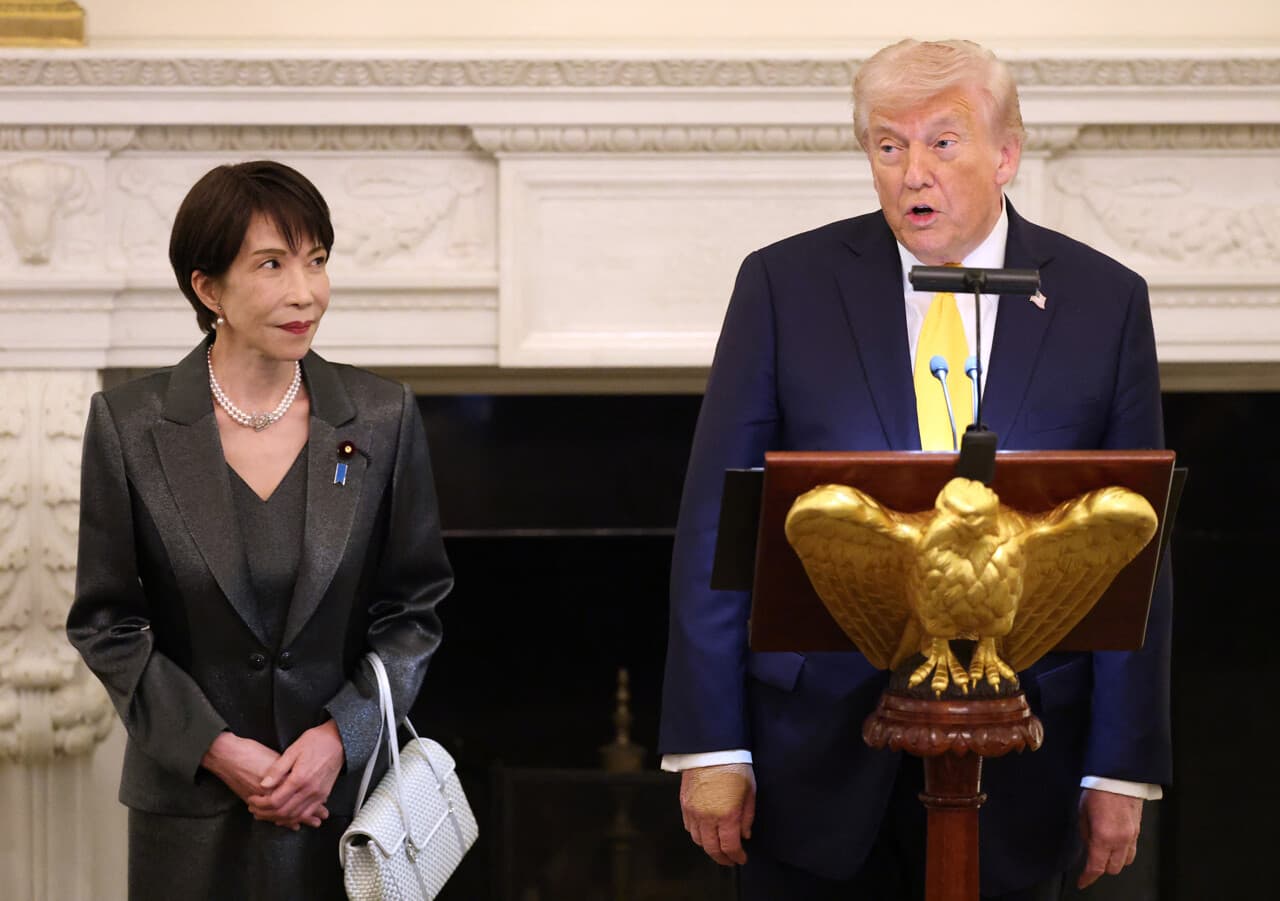
Body language expert Dr. Beth Dawson analyzed her response, noting that Takaichi 'briefly pursed her lips' - a classic self-restraint signal indicating suppressed disagreement - and showed 'a fleeting micro-expression combining surprise and anger in her eye region.'
The Japanese leader maintained verbal control but exhibited non-verbal behaviors signaling discomfort, including 'raised eyebrows,' 'lowered eye gaze,' and 'a distinct backward movement of the upper body' - a classic distancing behavior indicating psychological disengagement from the message.
Her restrained response reflected the delicate balance Japan must maintain in its relationship with the United States.
Japanese Reaction
Trump's Pearl Harbor remark triggered widespread surprise, embarrassment, and criticism across Japan, with media outlets and political leaders questioning the appropriateness of the historical reference.
“Washington, March 19 (Jiji Press)--U”
Japanese media prominently featured the incident in their coverage, with outlets like Mainichi, Asahi, Yomiuri, and Kyodo highlighting Trump's reference in their headlines.
The Yomiuri reported that a former senior Japanese government official called the comment 'regrettable,' while the Asahi Shimbun described it as 'nonsense that ignores lessons from history.'
Social media reactions ranged from accusations of Trump's 'ignorance and rudeness' to concerns that he does not see Japan as an equal partner, with a hashtag about the incident receiving over 39 million views on Chinese social media platform Sina Weibo.
Tsuneo Watanabe of the Sasakawa Peace Foundation suggested the comment signaled Trump is 'not bound by existing American common sense' and may have been intended to bring Japanese officials 'into complicity' to justify the 'sneak attack' on Iran.
Historical Sensitivity
The incident highlighted the complex historical sensitivity surrounding Pearl Harbor in US-Japan relations, which has traditionally been handled with diplomatic caution by both nations.
The December 7, 1941 attack, which killed 2,403 Americans and drew the United States into World War II, remains a deeply sensitive issue that senior officials from both countries tend to avoid discussing in public.

This contrasts sharply with Trump's casual reference, as observers noted that US-Japan reconciliation has traditionally been handled with careful diplomacy, citing examples like joint commemorations by former leaders Barack Obama and Shinzo Abe.
Xiang Haoyu, a research fellow at the China Institute of International Studies, suggested that Trump's invocation of Pearl Harbor was not just a joke but revealed 'a deeper view of US allies and a selective use of historical memory to exert pressure.'
By invoking the historical memory, Trump appeared to be 'reminding Japan of its subordinate position in the alliance and of Washington's dominant role in the current security cooperation,' highlighting the power imbalance that continues to characterize the relationship despite decades of alliance.
Alliance Tensions
The Pearl Harbor controversy occurred against a backdrop of heightened tensions in the US-Japan alliance, particularly regarding the Iran war and Trump's demands for allied support.
“At the same time, Japan faces real constraints”
The summit was originally intended to strengthen bilateral ties ahead of Trump's China visit, but instead focused on urgent security challenges posed by the ongoing conflict.

Trump had been publicly pressuring allies, including Japan, to send naval vessels to protect the Strait of Hormuz, which Iran had effectively shut down, causing global oil prices to surge and threatening Japan's energy security given its heavy reliance on Middle Eastern oil.
Japan faces significant legal constraints, as its post-war pacifist constitution restricts the use of force to self-defense, making direct participation in overseas operations complicated.
Despite these constraints, Takaichi condemned Iran's nuclear ambitions and Hormuz attacks while stopping short of committing to specific military engagement.
More on Iran
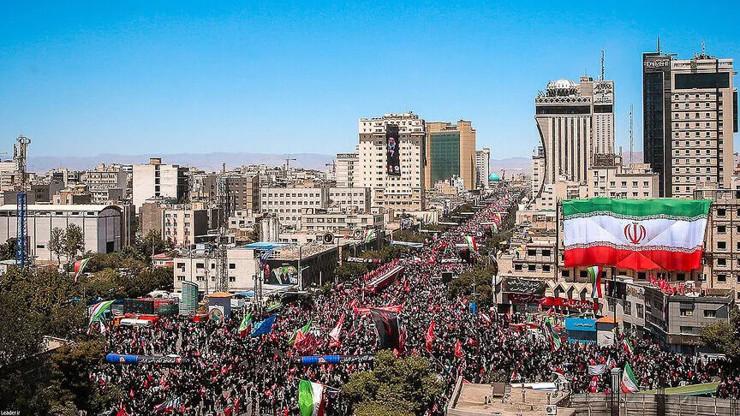
Israeli Strike Kills Ayatollah Ali Khamenei, Buried at Imam Reza Shrine in Mashhad
19 sources compared
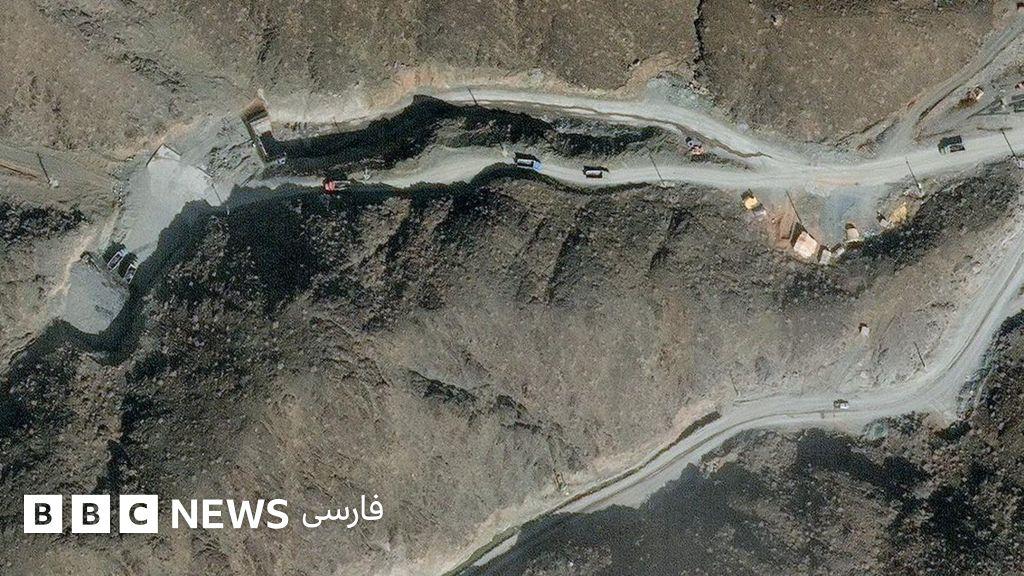
Iran Attempts To Restore Nuclear Sites Damaged In US And Israel Strikes, CNN Satellite Images Show
15 sources compared
Abbas Araghchi and Prince Faisal Bin Farhan Discuss Regional Developments After US Attacks
11 sources compared

Trump Says U.S. Agreed to Continue Iran Talks, Ceasefire Is Over
19 sources compared