USA · 06 August, 2026 · 3 min read
Trump Demands Answers From Hegseth Over Munitions Shortages Constraining Iran Strikes
Trump confronted Hegseth at Camp David over depleted missile stockpiles. Reports say stockpile shortages threaten military options against Iran.
Whether Trump–Hegseth munitions-stockpile clash at Camp David happened.
10 of 12 outlets skipped it: pentagon changed interception criteria based on target trajectory and risk.
21outlets compared
Same story, two versions
tap a side to read it in full
Українські Національні Новини (УНН)
“Trump demanded an explanation from Defense Secretary Pete Hegseth at a meeting in Camp David”Read the original ↗
The Economic Times
“Trump asserted that United States possessed vast munitions supplies, threatening jail for those reporting alleged weapons stockpile shortages.”Read the original ↗
UUN asserts the Camp David clash; The Economic Times emphasises Trump dismisses shortage claims as such
Camp David Missile Clash
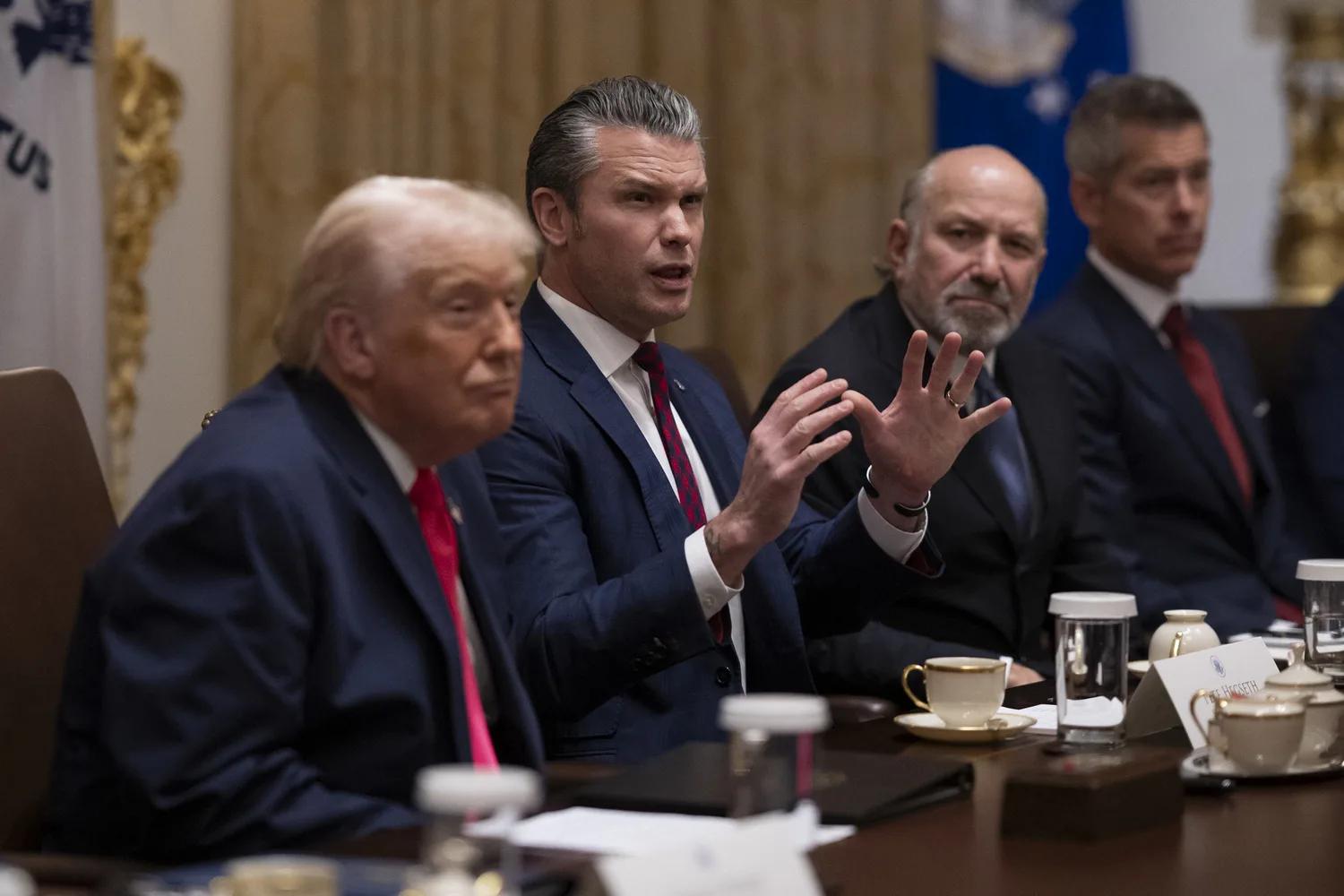
U.S. President Donald Trump demanded answers from Defense Secretary Pete Hegseth during a Cabinet meeting at Camp David over what the report described as severe munitions shortages constraining options against Iran.
“Trump demanded that Hegseth explain why he had allegedly been given a misleading picture of US munitions stockpiles”
The Washington Post reported that Trump questioned why he had allegedly been given a misleading picture of U.S. munitions stockpiles, and the president said he had been convinced the stockpile problem “had been fixed.”
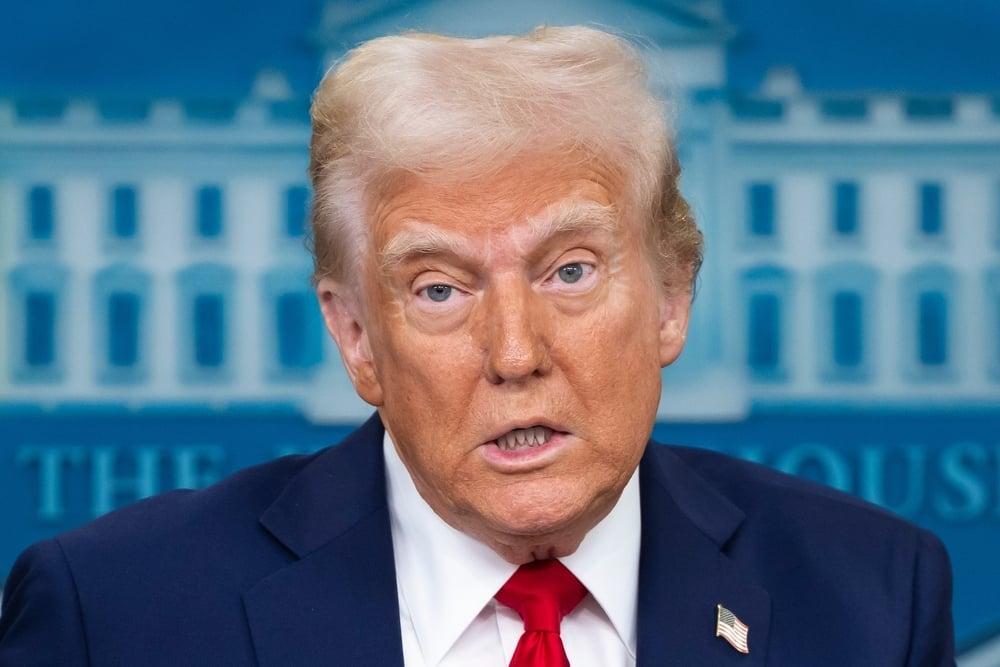
The shortage, particularly of long-range guided cruise missiles and air-defense interceptors, was described as one factor that led Trump to refrain from ordering additional large-scale strikes against Iran in recent days.
In the first month of the war alone, the U.S. fired more than 850 Tomahawk cruise missiles and more than 1,000 Patriot and THAAD interceptors, and it also launched more than 1,300 Army Tactical Missile System tactical ballistic missiles.
The White House and Pentagon denied the account, with White House press secretary Karoline Leavitt saying, "This is 100% fake news," and Pentagon spokesman Sean Parnell calling the reports "fictional."
Denials and Leakers Threat
Hours after the reporting, Trump denied a U.S. munitions shortage and warned that whoever leaked the claims would face prosecution, according to Türkiye Today.
Trump wrote on Truth Social that "The 'leakers' of these treasonous statements are being hunted down" and added, "Long-term jail sentences will be sought!"
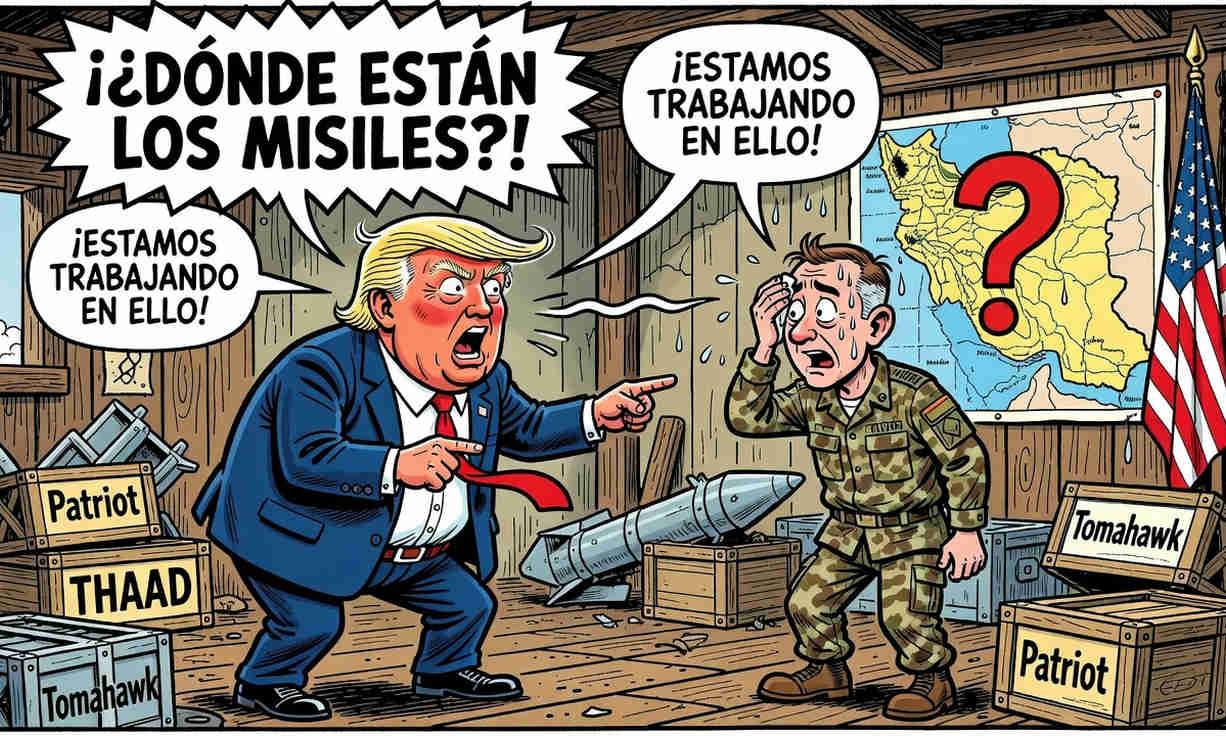
Türkiye Today said the White House and Pentagon denied the Washington Post report, and it quoted Pentagon spokesman Sean Parnell disputing the account in full.
The Washington Post reported that after Trump’s “shouting match” with Hegseth, the deputy secretary of war convened senior military and defense acquisition officials for an emergency meeting to "discuss ways to quickly address a shortfall of US weaponry," citing four people familiar with the meeting.
The Times of India also reported that White House spokesperson Karoline Leavitt denied the confrontation, writing, "This literally never happened, and we told the Washington Post that repeatedly."
What Comes Next
The reporting tied the munitions shortfall to operational decisions, saying the shortages of long-range guided missiles and air-defense interceptors contributed to Trump’s decision to hold back from authorizing additional large-scale strikes against Iran.
“"aren’t going to start bending metal until you have a contract and congressional appropriations,"”
The Washington Post said Hegseth, Feinberg and Joint Chiefs Chairman Gen. Dan Caine asked Congress for an additional $67 billion to finance the war and replenish stockpiles, while manufacturing some missiles could take about two years.
The Times of India reported that rebuilding the arsenal will take years despite new production agreements, and it quoted Brad Bowman saying, "aren’t going to start bending metal until you have a contract and congressional appropriations," and "We’re often talking years between spending what we need to spend, getting the contracts signed, and delivery,".
The shortage was also described as affecting Ukraine, with the report saying the scarcity of interceptor missiles forced the Pentagon to change how it assesses whether incoming threats should be intercepted based on trajectory and the danger posed.
Straight Arrow said the U.S. has expended about 80% of its THAAD interceptors and roughly half of its Patriot missiles, while the Pentagon pushed back with Chief Pentagon Spokesperson Sean Parnell telling CBS, "America’s military is the most powerful in the world and has everything it needs to execute at the time and place of the president’s choosing."