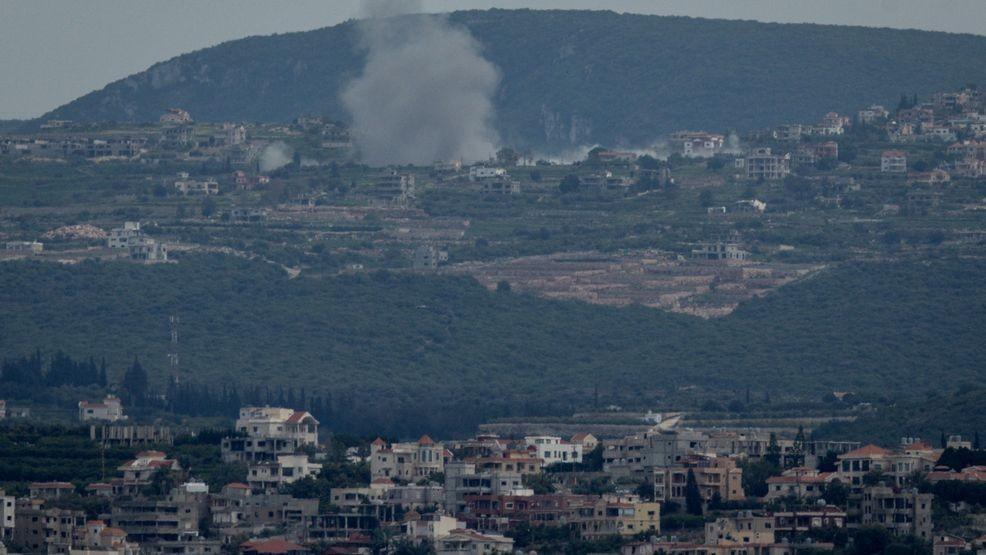
Trump Forbids Israel Airstrikes After Lebanon-Israel Ceasefire, Rubio Mediates Talks
Key Takeaways
- Lebanon-Israel ceasefire came into effect, halting fighting nationwide.
- Trump pressured Netanyahu to accept the ceasefire, signaling U.S. mediation.
- South Lebanon civilians face ongoing Israeli bombardment and border-area destruction.
Ceasefire and Trump’s move
On Friday, less than 24 hours after he had imposed a cease-fire in Lebanon, U.S. President Donald Trump took what Haaretz described as “one step further – an extreme and almost unprecedented step.”
“Toggle Play Displaced family reunited with grandfather in Lebanon’s Tyre An 80-year-old grandfather was reunited with his son and grandchildren in Tyre, southern Lebanon, after a ceasefire with Israel came into effect”
Haaretz reported that Trump “announced that he had forbidden Israel to continue airstrikes there,” after imposing the cease-fire.

The same day, The National News Desk said Trump posted “Make Lebanon Great Again” amid the country’s ceasefire deal with Israel.
It reported that on Thursday, Trump announced that “Lebanon and Israel agreed to a ceasefire for 10 days,” and that both nations met earlier this week in D.C. for peace talks mediated by Secretary of State Marco Rubio.
The National News Desk also tied the Lebanon ceasefire to the wider U.S.-Iran conflict, saying “This comes amid the ongoing conflict the U.S. has been having with Iran.”
It added that earlier in the year “Israel and the U.S. conducted joint strikes on Iran” and that “Iran retaliated, resulting in other countries getting hit and U.S. soldiers being killed or injured.”
In a separate thread of U.S. actions, The National News Desk quoted Trump on Truth Social saying, “Iran has agreed to never close the Strait of Hormuz again,” and “It will no longer be used as a weapon against the World!”
Displacement and reunions
As the ceasefire came into effect, Al Jazeera reported a personal reunion in Lebanon’s Tyre, southern Lebanon, where an 80-year-old grandfather was reunited with his son and grandchildren.
Al Jazeera said the family had been displaced by the Israeli army since March 2, among “the 1.2 million Lebanese made to leave their homes.”

The report framed the reunion as happening “after a ceasefire with Israel came into effect,” and it placed the story in the context of the ceasefire’s timing.
Al Jazeera’s account also connected the displacement to the broader timeline of the conflict by specifying the start date of the family’s displacement as March 2.
The same Al Jazeera page carried additional video references to ceasefire developments, including “Iran’s UN ambassador responds to US ceasefire extension,” and “Trump extends ceasefire and hopes for ‘unified proposal’.”
In parallel, L’Orient-Le Jour described how South Lebanon villages under Israeli fire faced demolition and grading operations, with Meis el-Jabal located “less than one kilometer from the border” and described as “the target of an advanced demolition process carried out by the Israeli army.”
L’Orient-Le Jour said that “A few days before the April 17 ceasefire,” the Israeli army carried out demolition and grading operations on houses in Meis el-Jabal using bulldozers and heavy construction equipment.
Voices from Meis el-Jabal
L’Orient-Le Jour centered its account on Meis el-Jabal, a border locality in South Lebanon’s Marjeyoun District, and it used the perspective of Al-Abde Bourji to describe what residents experienced before and during the conflict.
“Society — These South Lebanon villages under Israeli fire “Lebanon is my country, but Meis el-Jabal is my land”
The outlet said Meis el-Jabal had been “touched by all wars,” and it described how residents had repaired buildings after the “October 2023 to November 2024 war between the two parties involved.”
It reported that before the April 17 ceasefire, the Israeli army carried out demolition and grading operations on houses in Meis el-Jabal using bulldozers and heavy construction equipment.
The article said Al-Abde Bourji, a 39-year-old nurse, “had to flee Meis el-Jabal on the first day of the war,” and it quoted her account of being awakened at 2 a.m. by rockets on March 2.
She told L’Orient-Le Jour, “On March 2, I was awakened at 2 a.m. by the sound of rockets,” and she described grabbing a bag with “a few things I had prepared for months” before fleeing toward Beirut with her brothers and sisters.
She said she had to leave behind “the family home, the big garden we shared with neighbors, and my job as a nurse at the Meis el-Jabal government hospital,” adding that the hospital had been evacuated following Israeli threats.
She concluded with the line that anchored the story: “Lebanon is my country, but Meis el-Jabal is my land.”
Different frames of the same ceasefire
The sources present the Lebanon ceasefire through sharply different lenses, with Haaretz emphasizing Trump’s pressure on Israel and The National News Desk emphasizing Trump’s messaging and the mechanics of the talks.
Haaretz described Trump’s move as “an extreme and almost unprecedented step,” and it said Trump “announced that he had forbidden Israel to continue airstrikes there.”
The National News Desk, by contrast, framed the same period through Trump’s social media post, saying he posted “Make Lebanon Great Again” amid the ceasefire deal.
It also described the ceasefire as a negotiated arrangement, reporting that “Both nations met earlier this week in D.C. for peace talks, which were mediated by Secretary of State Marco Rubio.”
Al Jazeera’s framing centered on the human impact of the ceasefire, reporting that “An 80-year-old grandfather was reunited with his son and grandchildren in Tyre, southern Lebanon, after a ceasefire with Israel came into effect.”
It also tied the ceasefire to displacement figures by stating the family had been displaced “since March 2” and that they were among “the 1.2 million Lebanese made to leave their homes.”
L’Orient-Le Jour, meanwhile, focused on the border village experience and described how “A few days before the April 17 ceasefire,” the Israeli army carried out demolition and grading operations on houses in Meis el-Jabal.
What comes next for families
The reporting also points to what comes next for Lebanon’s displaced residents and for the ceasefire’s durability, though the sources emphasize different forward-looking elements.
“Toggle Play Displaced family reunited with grandfather in Lebanon’s Tyre An 80-year-old grandfather was reunited with his son and grandchildren in Tyre, southern Lebanon, after a ceasefire with Israel came into effect”
Al Jazeera’s Tyre reunion story is explicitly tied to the ceasefire “came into effect,” and it situates the family’s return within the broader displacement of “the 1.2 million Lebanese made to leave their homes.”
The L’Orient-Le Jour dossier describes a continuing struggle over whether people can return, stating that “Today, its inhabitants, who had to flee, have only one fear: not being able to return home.”
It adds that Meis el-Jabal “lies entirely within the “buffer zone” decreed by Israel in South Lebanon,” and it describes the village as “perched on the border.”
In the same account, Al-Abde Bourji says she remains convinced she will be able to return home and “resume my studies there,” while also describing how she has been living under tents near “the Horch Beyrouth Park in Tayouné.”
She told L’Orient-Le Jour, “Since I had to flee, I have neither worked nor earned a salary,” and she described planting “four flowers and four small tomato plants in empty plastic water jugs” beside her tent.
On the diplomatic side, The National News Desk said the ceasefire was for “10 days,” and it described earlier D.C. peace talks mediated by Marco Rubio, while Haaretz highlighted Trump’s instruction forbidding further airstrikes.
More on Lebanon
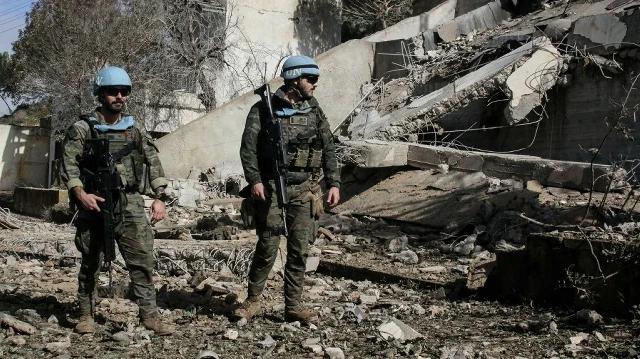
Israeli Drone Strike Kills One, Wounds Two in Lebanon’s Bekaa During Ceasefire
13 sources compared
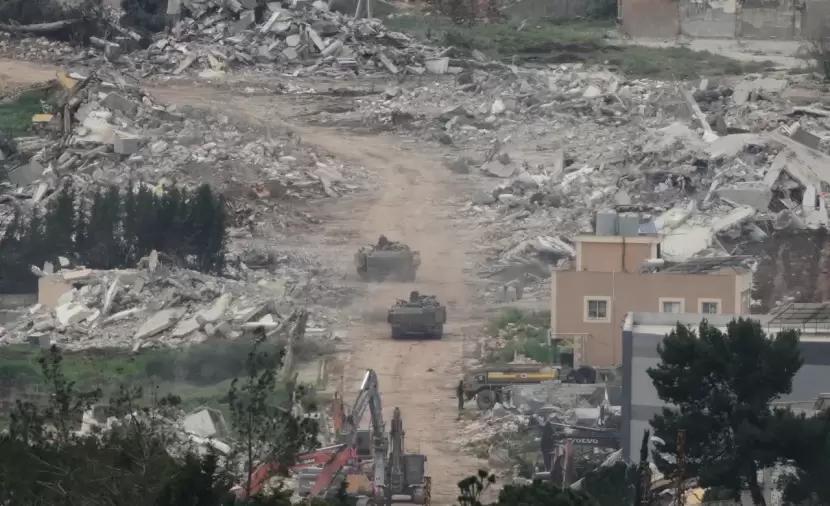
Israeli Forces Launch New Demolition Operations in Shamaa After April 17 Cease-Fire
10 sources compared
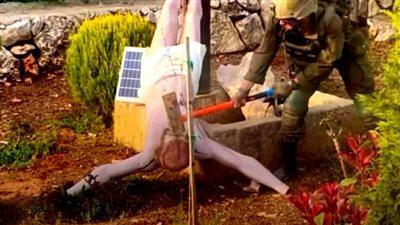
Israel Jails Soldiers After Sledgehammer Vandalism of Jesus Statue in Debl, Lebanon
29 sources compared
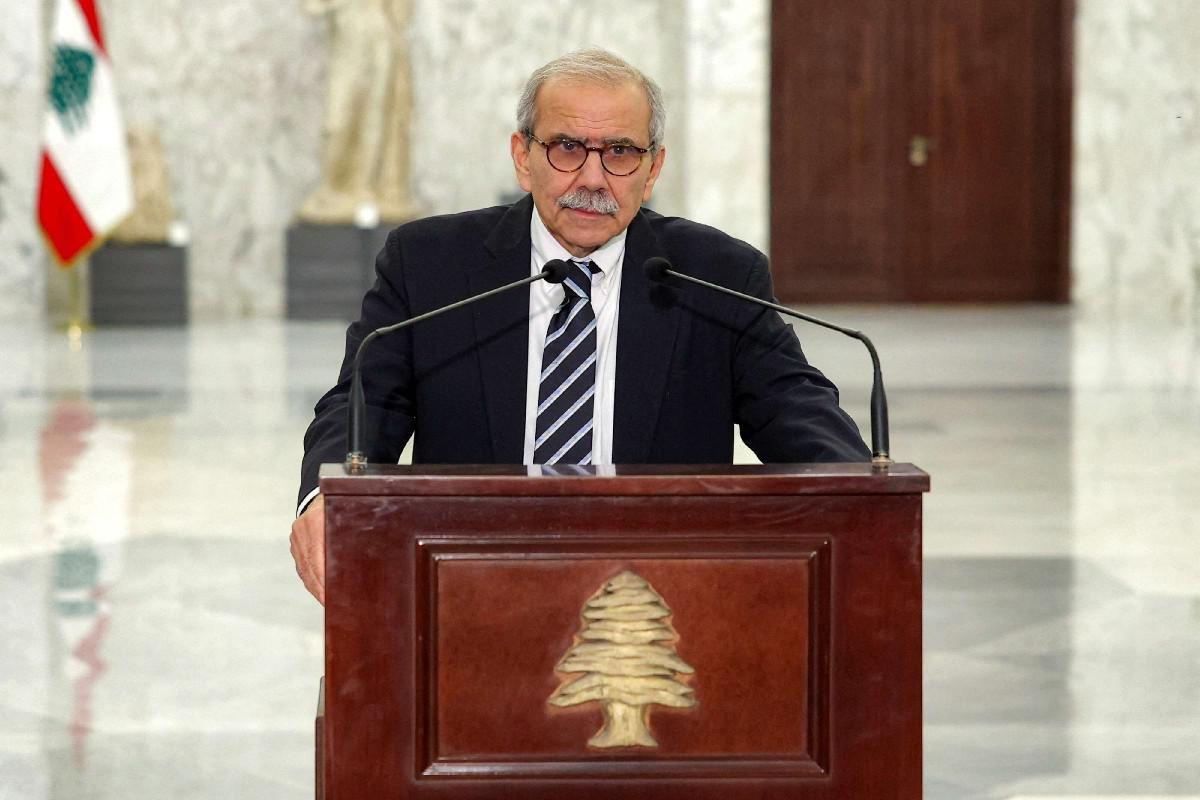
Macron Meets Nawaf Salam at Élysée Palace to Push Lebanon Ceasefire and Territorial Integrity
36 sources compared