Full story
Pause opens talks
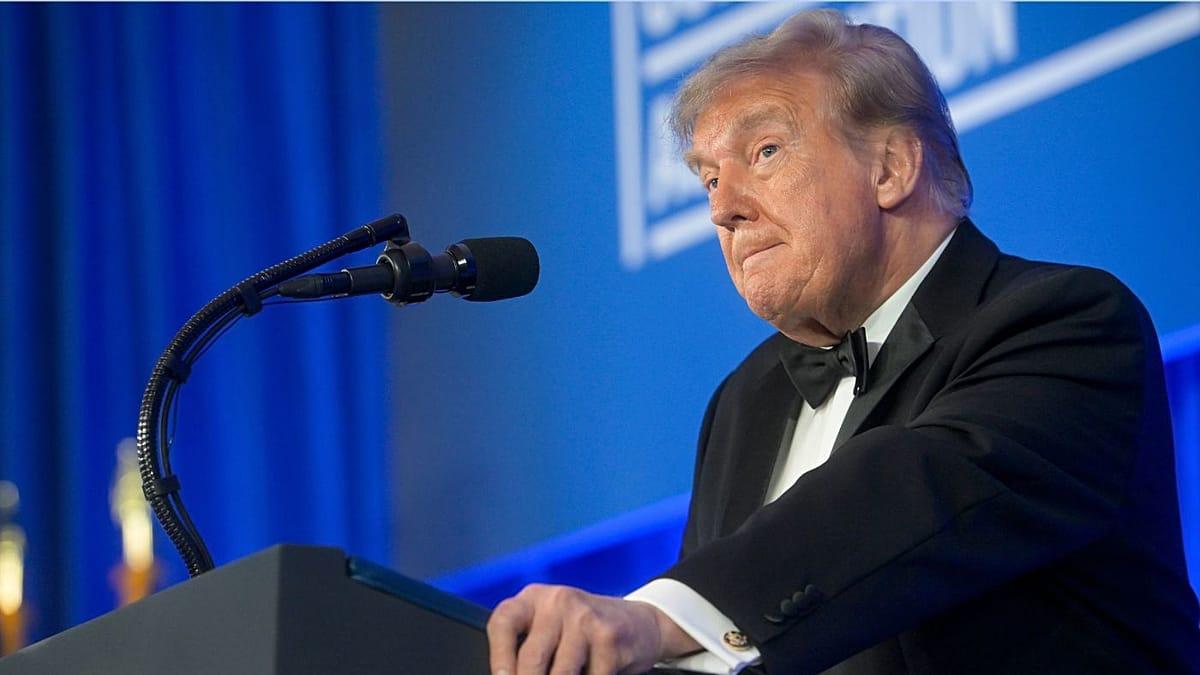
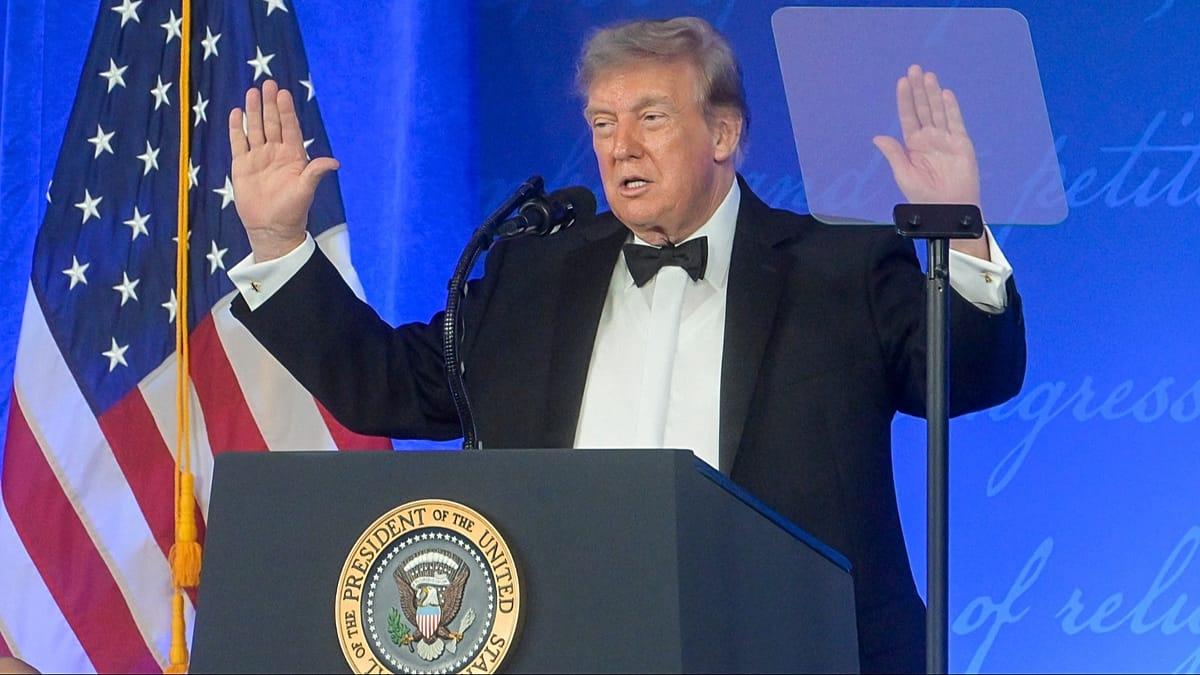
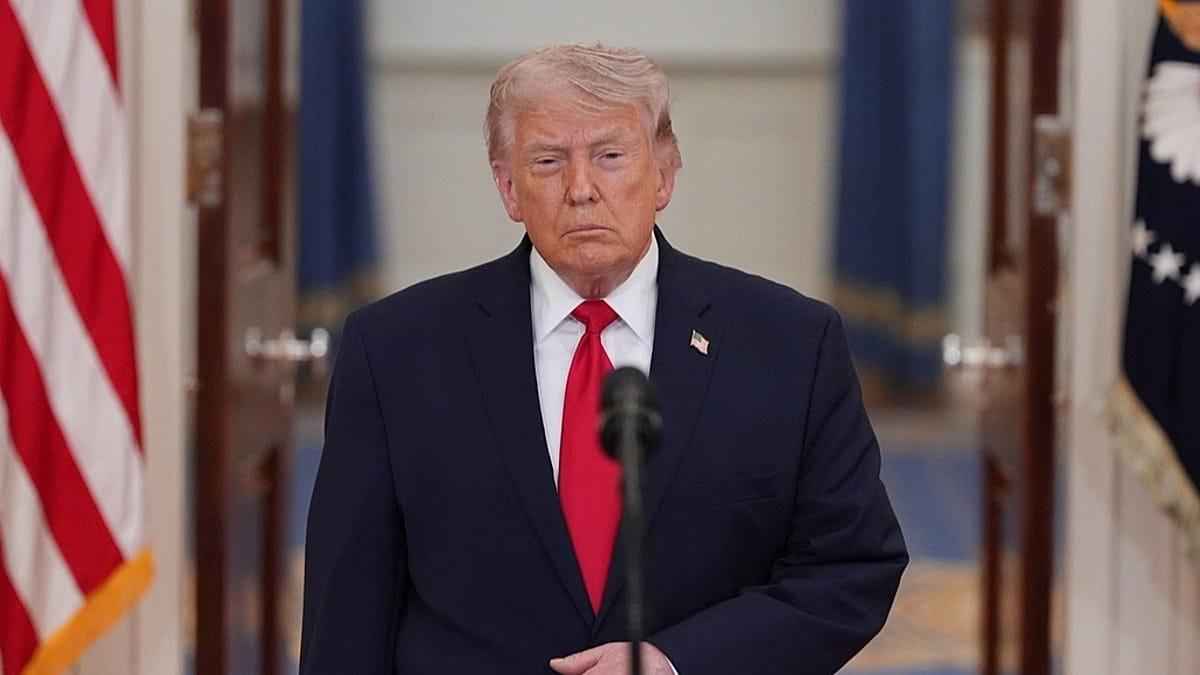
A temporary break in hostilities between the U.S. and Iran appeared to hold on Monday as President Donald Trump said the U.S. halted renewed strikes on Iran at the regime’s request and warned they would resume if the two sides fail to reach a new ceasefire deal.
“A temporary break in hostilities between the U”
Trump told reporters on Air Force One while flying to Michigan that “We have a lot of ammunition, different types,” as the pause followed nearly two weeks of U.S. strikes against Iran in retaliation for attacks on ships in the Strait of Hormuz.

Iran’s Foreign Ministry spokesperson Esmail Baghaei said Iran “currently have no negotiations with the United States,” reiterating that official ongoing talks are solely with Oman regarding the future of the Strait of Hormuz.
CNN reported that despite the pause, the Saudi Defense Ministry said it intercepted several drones targeting oil facilities launched from Iran-backed militias in Iraq, keeping pressure on the wider region even as Washington signaled room for diplomacy.
Competing claims and intermediaries
The U.S. and Iran pause was framed differently across outlets, with CNBC describing Tehran’s denial of a 10-day ceasefire while CNN emphasized that the U.S. would resume attacks if a new ceasefire deal wasn’t reached.
In a televised press conference, Baghaei said, “Tehran “will never allow the United States to determine the timing of war and peace,”” while CNBC reported that Iran said it would reciprocate following a China-led push to resume stalled diplomatic efforts in Pakistan.

CNN also reported that Iran ramped up threats against Kyiv after an attack by Ukraine on an Iranian vessel in the Caspian Sea that killed one person and injured three, and Iranian Foreign Minister Abbas Araghchi warned that the incident “cannot go unanswered.”
Meanwhile, CNBC said the U.S. and Iran are not currently in direct, official talks and that negotiating via intermediaries means negotiators would have to agree on topics including sanctions relief and Tehran’s support for proxy groups, with maritime security and the return of toll-free, two-way traffic through the Strait of Hormuz highlighted as the key economic point.
What’s at risk next
With the Strait of Hormuz still central to the conflict, CNN said fewer than 10 commodity ships passed through the waterway as of Monday morning, compared with around 100 commercial vessels traversing the strait on a typical day before the war.
“Although Donald Trump had suspended over the weekend the pinpoint attacks on Iran after being warned by the U”
CNBC reported that the strait “remains subject to an ongoing U.S. blockade,” and Baghaei said Monday that the situation in the Strait of Hormuz has “not changed and it is still closed.”
The pause also carried spillover risks from other theaters, as CNBC said the Saudi military conducted strikes on Iran-backed Houthi targets in Yemen after the rebel group’s attacks on Red Sea shipping, while Ukraine reportedly struck an Iranian commercial vessel in the Caspian Sea.
In parallel, Trump’s diplomacy-versus-force posture remained explicit, with the Washington Times quoting him saying “There’s a chance we can make a deal,” even as the same reporting described his negotiators speaking to the Iranian side after nearly two weeks of intense renewed fighting.