Full story
Pause, talks, and threats
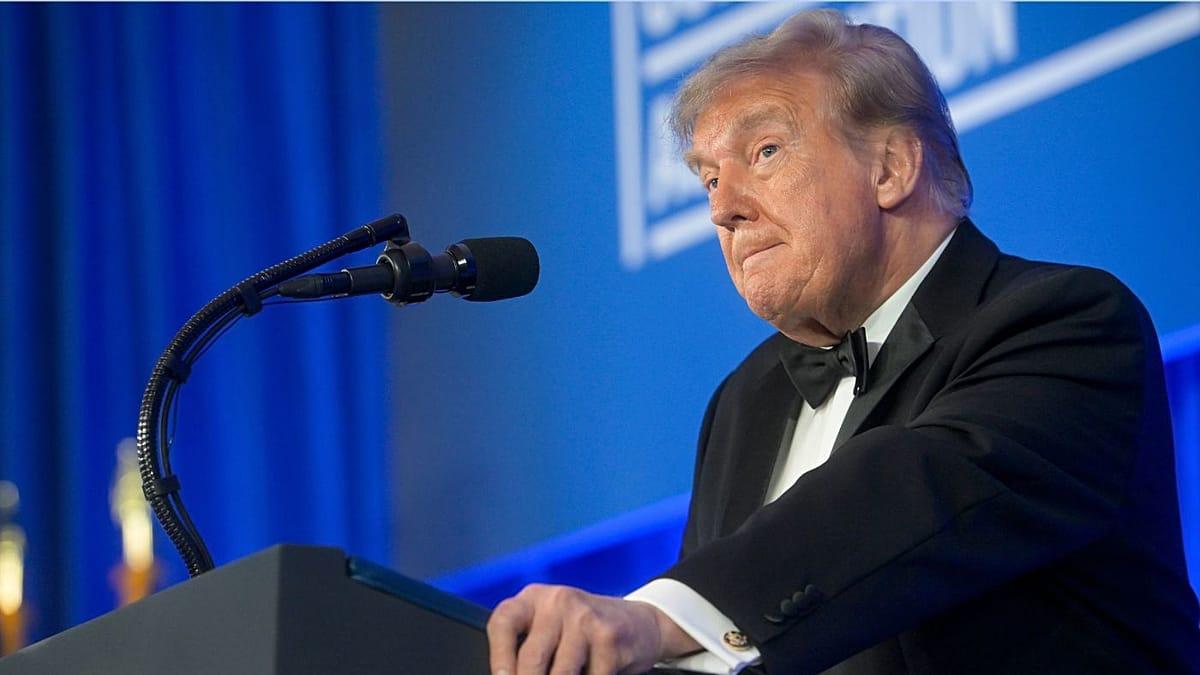
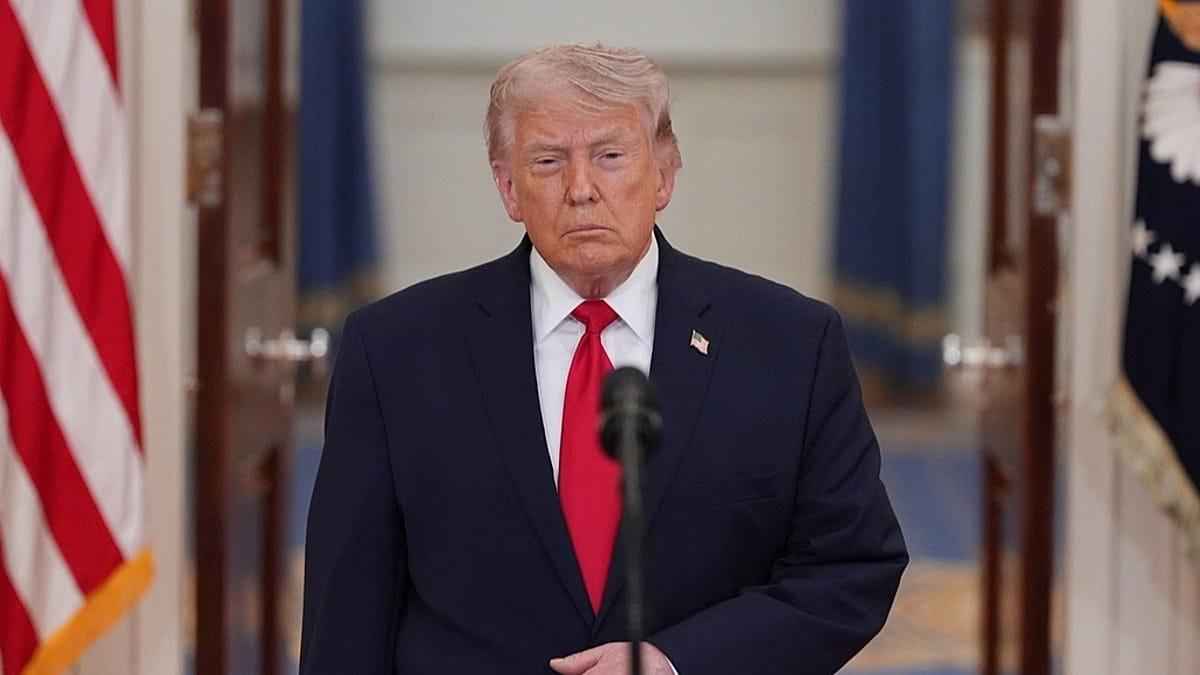
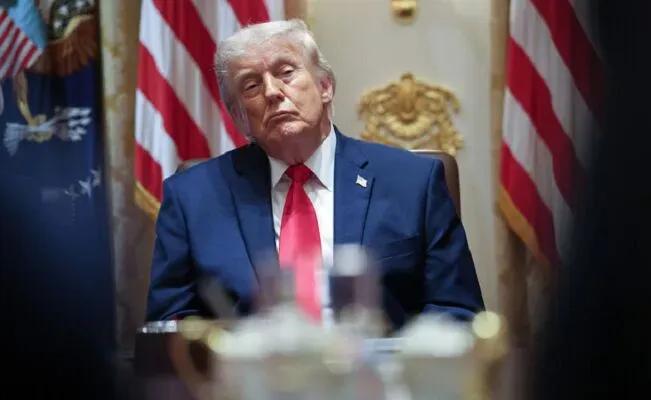
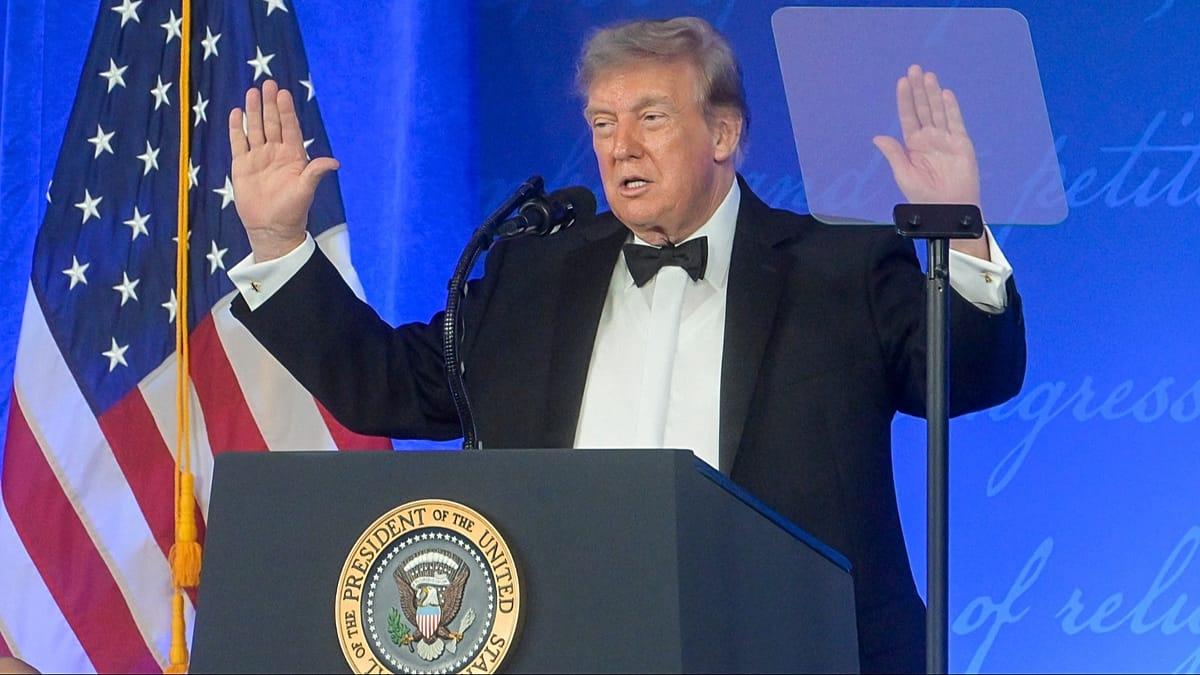
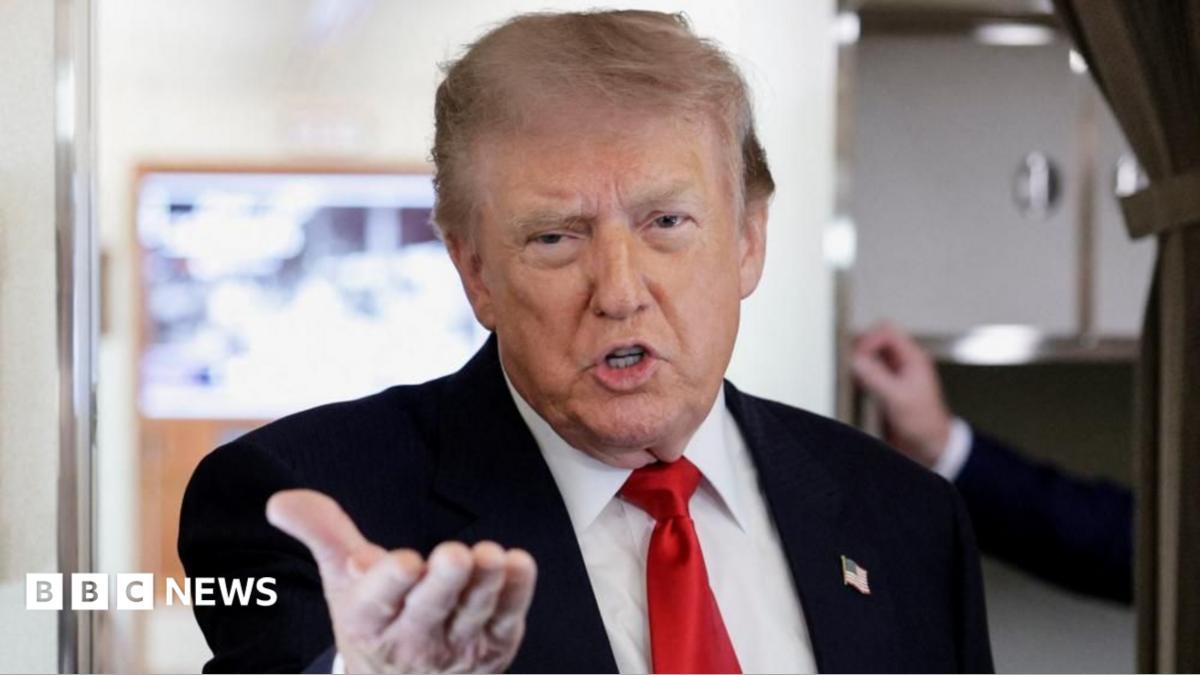
The United States paused strikes on Iran for a third straight day as President Donald Trump said “very deep talks” were taking place and warned that “if they don’t work out, we will go back to very strong military action.”
“US President Donald Trump has said "there are very friendly negotiations going on" about the conflict with Iran, after the warring sides did not exchange strikes for a third straight day”
Iran’s Foreign Ministry spokesman Esmail Baghaei said Iran was not currently involved in negotiations with the United States, while the Iranian regime insisted it was instead engaged in talks with Oman aimed at “mechanisms regarding maritime traffic” in the Strait of Hormuz.
The pause followed a halt in retaliatory attacks by Iran against Washington’s allies in the Middle East, with Iran saying it had stopped “retaliatory” attacks after a lull in U.S. attacks.
In the same period, the U.S. military had carried out strikes on Iran for 13 consecutive nights before Friday and Saturday nights passed without bombing, according to The Hindu’s live updates.
Trump also defended his approach to Iran at a General Motors event in Milford, Michigan, saying the U.S. was “winning big time” against the Islamic Republic of Iran and insisting Tehran must never be allowed to obtain a nuclear weapon.
Reactions and competing narratives
While Trump framed the pause as space for diplomacy, Iran’s army spokesperson Mohammad Akraminia said, “These [US] attacks continued until two nights ago, but over the past two nights the Americans have stopped their attacks,” adding, “Our strategy has essentially been retaliatory, we have also halted our retaliatory operations.”
U.S. Ambassador to the United Nations Mike Waltz said the pause was meant to give diplomacy “some space,” telling NBC’s Face the Nation with Margaret Brennan that the president was “giving talks some space.”

The Guardian reported that Trump’s UN ambassador Mike Waltz said, “I wouldn’t go that far at all,” when asked on Meet the Press whether Trump was ruling out additional strikes in Iran.
In parallel, Fox News quoted Trump saying, “We're winning big time with the Islamic Republic of Iran,” while also warning that “lunatics” won’t get a nuclear weapon.
The BBC reported Labour Minister Tahmina Akhter’s stance on accountability in Bangladesh, but in the Iran coverage the same outlet emphasized that the government would launch an immediate investigation—underscoring how different stories were framed across the provided articles.
What’s at stake next
The pause left the Strait of Hormuz as a central pressure point, with Iran saying the situation in the Strait of Hormuz “has 'not changed and it is still closed,” while Oman and Iran held talks described as “useful discussions” about shipping arrangements.
“A temporary break in hostilities between the U”
CNN said fewer than 10 commodity ships passed through the waterway as of Monday morning, compared with around 100 commercial vessels traversing the strait on a typical day before the war.
The Guardian said Washington blamed Iran for strikes on U.S. forces and allies and its closure of the strait of Hormuz, and it described Iran demanding payment and control over which ships pass through the strait.
Beyond shipping, the dispute over nuclear risk remained explicit, with Fox News reporting Trump’s insistence that “lunatics” won’t get a nuclear weapon and The Hindu noting Trump’s UN envoy said the president was “giving talks some space.”
The next phase also carried regional spillover, with the provided coverage describing Iran halting retaliatory attacks against Washington’s allies in the Middle East while other actors continued military action, including claims that Iran-backed Houthis targeted Saudi Arabian oil facilities with drones.