China30 October, 20252 min read
Trump Meets Xi in South Korea to Push Aggressive Trade Agenda Amid Economic Turmoil
This article is an automated aggregation of coverage from news outlets. Our editorials offer in-depth analysis curated by the NewsCord team.
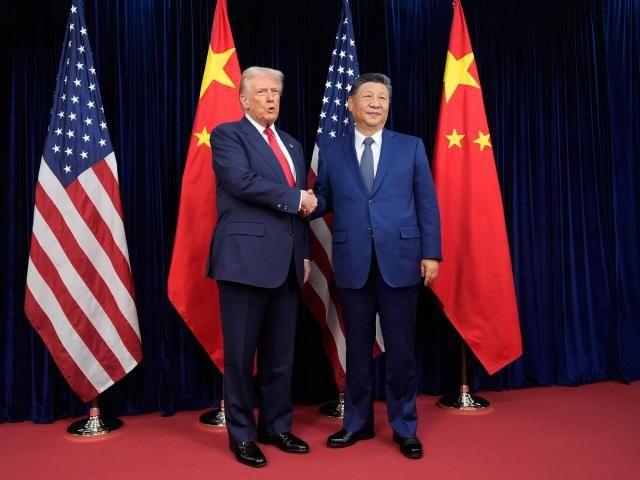
Trump and Xi met in Busan, South Korea, to negotiate a trade truce amid ongoing tensions. The leaders discussed reducing tariffs and addressing China's export controls on rare earth minerals.
35 outlets told this the same way.
Trump and Xi Meeting Summary
In Busan, South Korea, Donald Trump and Xi Jinping held a closely watched face-to-face meeting on the sidelines of the APEC Summit. The leaders sought to stabilize relations and ease trade tensions that have disrupted global supply chains. Both leaders struck an optimistic tone: Trump praised Xi as a “great leader” and voiced hope of signing a deal soon.
Xi framed frictions as normal and urged that the two countries be “partners and friends.” Coverage varied on how “historic” the encounter was, but most agreed the summit was pivotal amid an unsettled global economy and APEC’s modest expectations this year. Analysts and officials signaled diplomacy would likely trump concrete deliverables, even as hopes ran high for progress in Busan.

US-China Trade Negotiations
The trade agenda covered tariffs, rare earths, soybeans, fentanyl control, and technology. Multiple sources report that Trump proposed reducing certain tariffs if Beijing cooperates on fentanyl precursor controls. The U.S. also scaled back a threatened 100% tariff increase as China indicated willingness to ease rare-earth export restrictions and resume U.S. soybean purchases.
Preparatory talks in Malaysia resulted in a "preliminary consensus," establishing a framework for a potential truce. This occurred even as disagreements over technology exports and broader competition continued.

Summary of US-China Meeting
The choreography of the session itself drew scrutiny. WRAL reports the talks lasted just under two hours, even though NDTV caught Trump on a hot mic projecting a three-to-four-hour summit. Public remarks were cordial—Xi said frictions are normal and that both sides can prosper together, while Trump called Xi a friend and claimed they had already agreed on many issues.
A sizable U.S. delegation, including top trade, commerce, state, and treasury officials, underscored the meeting’s high stakes. Some outlets noted that despite hopes for a same-day deal, no major agreements were unveiled.
Nuclear Testing and Trade Tensions
Beyond trade, several outlets highlighted a contentious nuclear-testing issue. Local Western and Western mainstream sources report Trump announcing or indicating plans to resume or increase U.S. nuclear weapons testing, sometimes presented as matching other powers. Details about these plans remained sparse.
Other reporting portrays ambiguity: during closed-door talks, Trump did not respond to nuclear-test questions. Some coverage focused solely on economic matters. Collectively, these accounts frame nuclear issues as part of broader strategic tensions running alongside the trade agenda.
APEC Meeting and Regional Diplomacy
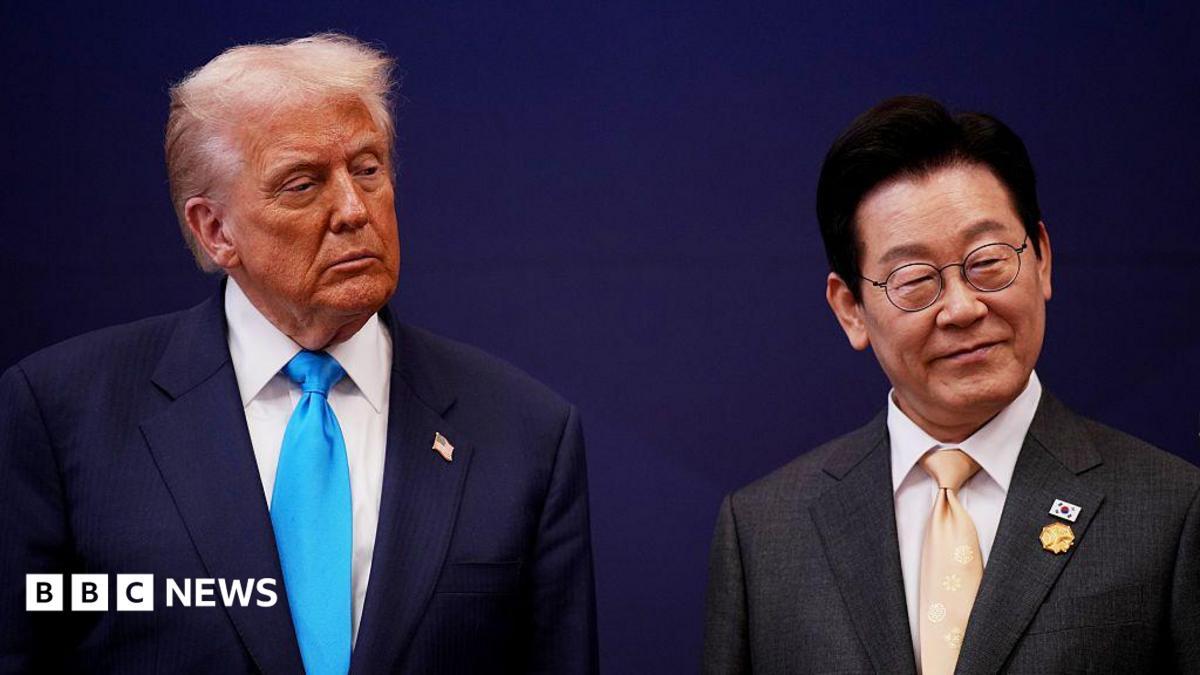
Regionally, the meeting unfolded as APEC’s toughest test in years, with South Korea seeking cooperation over confrontation. Leaders were set to discuss AI, demographics, and labor alongside trade and security. Xi planned to remain in South Korea to engage regional leaders and, according to reporting drawn from Press Trust of India, to position China as a reliable partner for countries frustrated with U.S. tariff policies.
West Asian coverage added an unusual diplomatic flourish, with TRT World noting Xi’s praise for Trump’s role in regional peace efforts, from a Gaza ceasefire to a Cambodia–Thailand border dispute. This praise framed cooperation as aligned with making America “great again.”
