Full story
Trump halts strikes
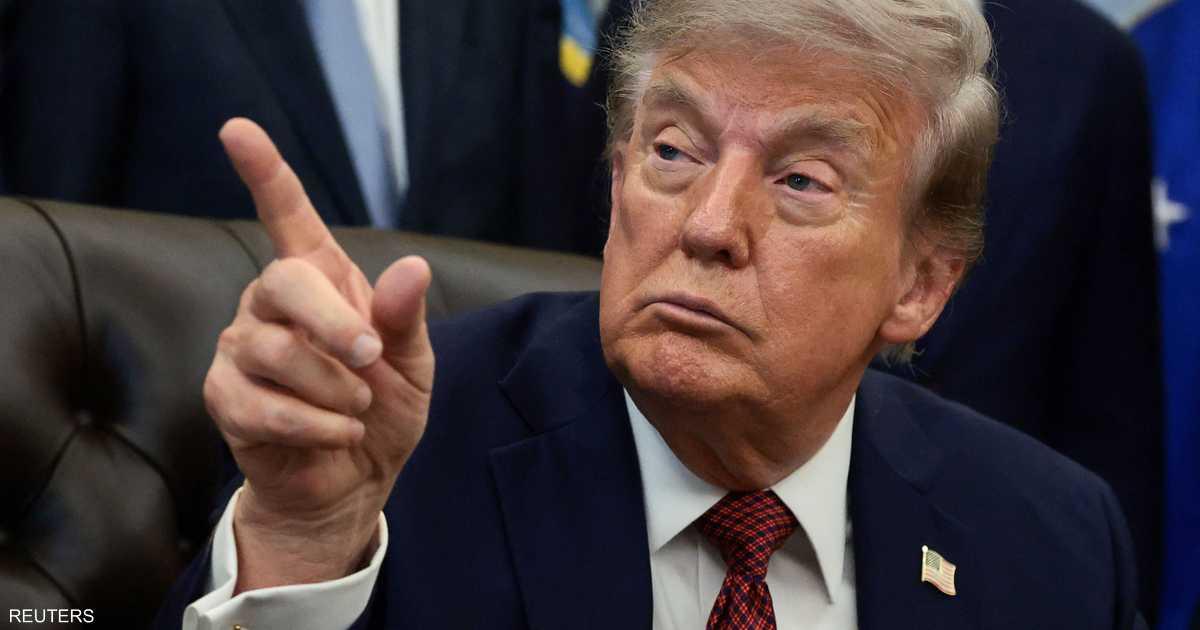
U.S. President Donald Trump said he would order American forces to hold off on new strikes against Iran after “the perimeters of a deal [have] been agreed to” by Tehran and America’s Middle East allies.
“the perimeters of a deal [have] been agreed to”
Trump wrote that the emerging deal “would include the Immediate, Complete, and Total OPENING OF THE HORMUZ STRAIT, and an end to Iran’s nuclear threat,” and he agreed “to cancel the attack, subject to being able to rapidly make a DEAL.”

Iran’s foreign minister Abbas Araghchi said any “adventurous action” by the US or Israel would be met with a “decisive and proportional response,” while Iran’s Foreign Ministry spokesperson Esmail Baghaei said the Strait of Hormuz “will in no way return to the status it was before February 28th.”
The announcement came after the United States and Israel attacked Iran on Feb. 28, starting a war described as five months old, and after Iran resumed attacks on shipping in the Strait of Hormuz within weeks of an interim agreement in mid-June that halted fighting.
Trump also said Israel had agreed to join the U.S. in pushing to finalize the understanding, while Iran offered no immediate public response to the announcement.
Saudi concerns and Iran stance
Saudi Crown Prince Mohammed bin Salman raised concerns in a phone call with Trump about the U.S. potentially escalating the conflict with Iran, with the Saudi press agency saying Tehran could respond with attacks on the energy infrastructure of the kingdom and other Gulf countries.
A person briefed on the substance of the call but not authorized to comment publicly said the crown prince sought clarity from Trump on what potential new action he was weighing to take against Iran, and the call happened before Trump’s social media announcement.
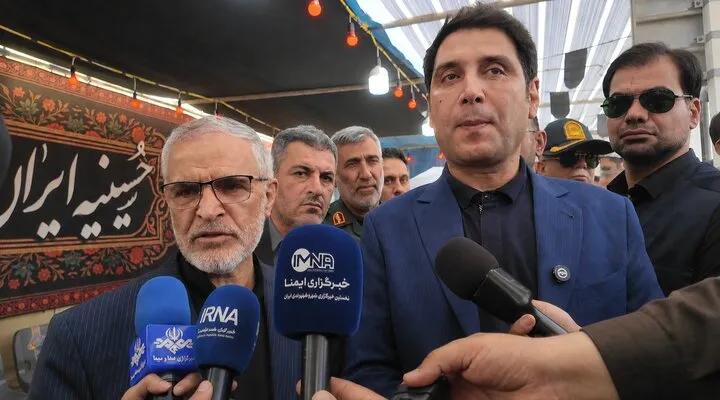
Iran’s defense minister said on X that the country was “neither surprised nor passive” following Trump’s announcement and said Iran continues to remain alert in the face of concrete threats from the U.S.
Trump’s message also indicated Israel would join the U.S. in pushing to finalize the understanding, and the AP report said the emerging deal would include the immediate, complete, and total opening of the Strait of Hormuz alongside an end to what Trump described as Iran’s nuclear threat.
The AP report said the diplomatic alignment mattered because the conflict had repeatedly shifted between negotiations and escalation, with U.S. officials on edge during the buildup to Trump’s Saturday statement.
What comes next
A regional official involved in mediation said Trump’s proposal calls for reopening of the Strait of Hormuz and halting attacks across the region, including by Iranian-backed militias in Iraq on the Arab Gulf countries and Jordan.
“No deal has been reached yet, but mediation efforts are underway”
The same official said the U.S. would end its naval blockade on Iran and allow Tehran to export its oil as stated in the tentative ceasefire deal, while adding that “No deal has been reached yet, but mediation efforts are underway.”
Iran’s defense minister said on X that Iran continues to remain alert in the face of concrete threats from the U.S., even as Trump said the pause would last only so long as Washington could rapidly make a deal.
The Independent reported that the site known as Kuh-e Kolang Gaz La, or “Pickaxe Mountain,” lies on the south side of Iran's Natanz nuclear enrichment site, and that it remains unclear just what has been placed at Pickaxe Mountain because the United Nations' nuclear watchdog has never gained access to the site.
The Independent also reported that negotiations to secure a ceasefire had failed to make significant progress after a brief truce collapsed last month, leaving the next steps tied to whether the parties can finalize the framework Trump described.