USA · 15 August, 2026 · 2 min read
Donald Trump Orders U.S. Navy To Remove EMALS And Return To Steam Catapults
Trump directed Navy to abandon EMALS and restore steam catapults on Ford-class carriers. The change could cost billions and delay carrier deployment.
Whether Trump-directed changes are part of a broader shipbuilding reform push.
8 of 10 outlets skipped it: navy considers moving the Ford-class island forward.
33outlets compared
Same story, two versions
tap a side to read it in full
Breaking Defense
“along with the establishment of a new, fifth public shipyard to take on submarine repair”Read the original ↗
AP News
“The move comes as Congress will weigh the necessary budget and funding bills”Read the original ↗
Breaking Defense links the catapult switch to wider shipyard/readiness reforms; AP stresses budgets and staffing.
Steam Catapults Ordered
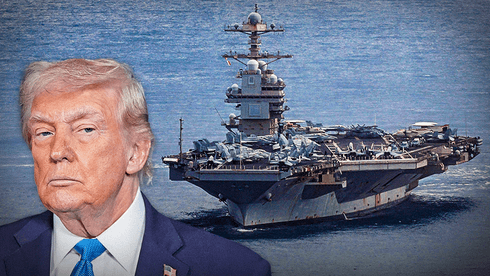
President Donald Trump is ordering the U.S. Navy to remove the Electromagnetic Aircraft Launch System, also known as EMALS, from its newest type of aircraft carrier and return to using older steam catapults that he has long said he prefers.
“‘You're going to goddamned steam,’ Trump said at the time.”
The directive issued Thursday directs the Pentagon and the Navy to present Trump with plans to remove EMALS within two months, and it also says the Ford-class carrier's electromagnetic weapons elevators should be replaced.

The memo would likely cost billions of dollars and revert the Navy’s most advanced ships to a system that takes more sailors to operate and is more difficult to maintain, according to ABC News.
ABC News also reports that Trump’s ire with the new technology goes back to at least 2017, when he said in a Time magazine interview, “You're going to goddamned steam,” and that the memo directs the fourth Ford-class carrier, the USS Doris Miller, to be the first ship to include the new changes.
Industry Pushback, Expert Doubts
General Atomics, the company that makes EMALS, told The Associated Press in an email that the decision not to proceed with the system on the USS Doris Miller “warrants careful reconsideration,” while also saying the work on the Doris Miller's catapults and arresting gear was already halfway complete. The Associated Press also reports that “changing course now would introduce significant cost, schedule, and integration risks,” framing the redesign as a major shift for a ship already in progress.
CNN reports that naval experts say the sudden change is highly unusual, with Bryan Clark telling CNN that the move would require the USS Doris Miller to be redesigned and that the cost “will probably be into the billions.” CNN also quotes Chris Cavas saying of EMALS, “I can tell you firsthand, you can feel the difference and the difference is that it’s smoother,” while noting that the Navy now faces a logistical issue of finding a manufacturer of steam catapults.
Budget, Readiness, and Timelines
The directive arrives as Congress weighs budget and funding bills that the Trump administration says it needs to fund the Pentagon and the Iran war, and Defense Secretary Pete Hegseth estimated last month that the war’s cost grew to $37.5 billion as Republicans prepared a $95 billion package.
ABC News reports that Hegseth called the supplemental war funding an “urgent, necessary” injection of money, and it also says the House narrowly adopted both but the Senate still must act when it returns in September.
CNN adds that the USS Doris Miller’s delay, along with retirements of carriers in the Nimitz class, could mean the U.S. Navy will “be very short on carrying capacity” next decade, linking the engineering change to operational consequences.
In the same CNN report, Democratic Sen. Mark Kelly criticized the memo, writing, “I’ve launched off the front of aircraft carriers hundreds of times, have a Master’s degree in aeronautical engineering, and am a test pilot and even I wouldn’t suggest to the Navy how to engineer specific systems on its ships.”