Iran-Israel30 October, 20253 min read
Trump Orders Pentagon to Restart Nuclear Weapons Testing to Match Russia and China
Trump ordered immediate resumption of US nuclear weapons testing after 33-year moratorium. Testing aims to match nuclear programs of Russia and China amid rising global tensions.
28 outlets told this the same way.
Outlets did split on U.S. Intercepts Iran Message Activating Sleeper Cells After U.S.-Israel Strike Kills Khamenei →
US Nuclear Testing Resumption
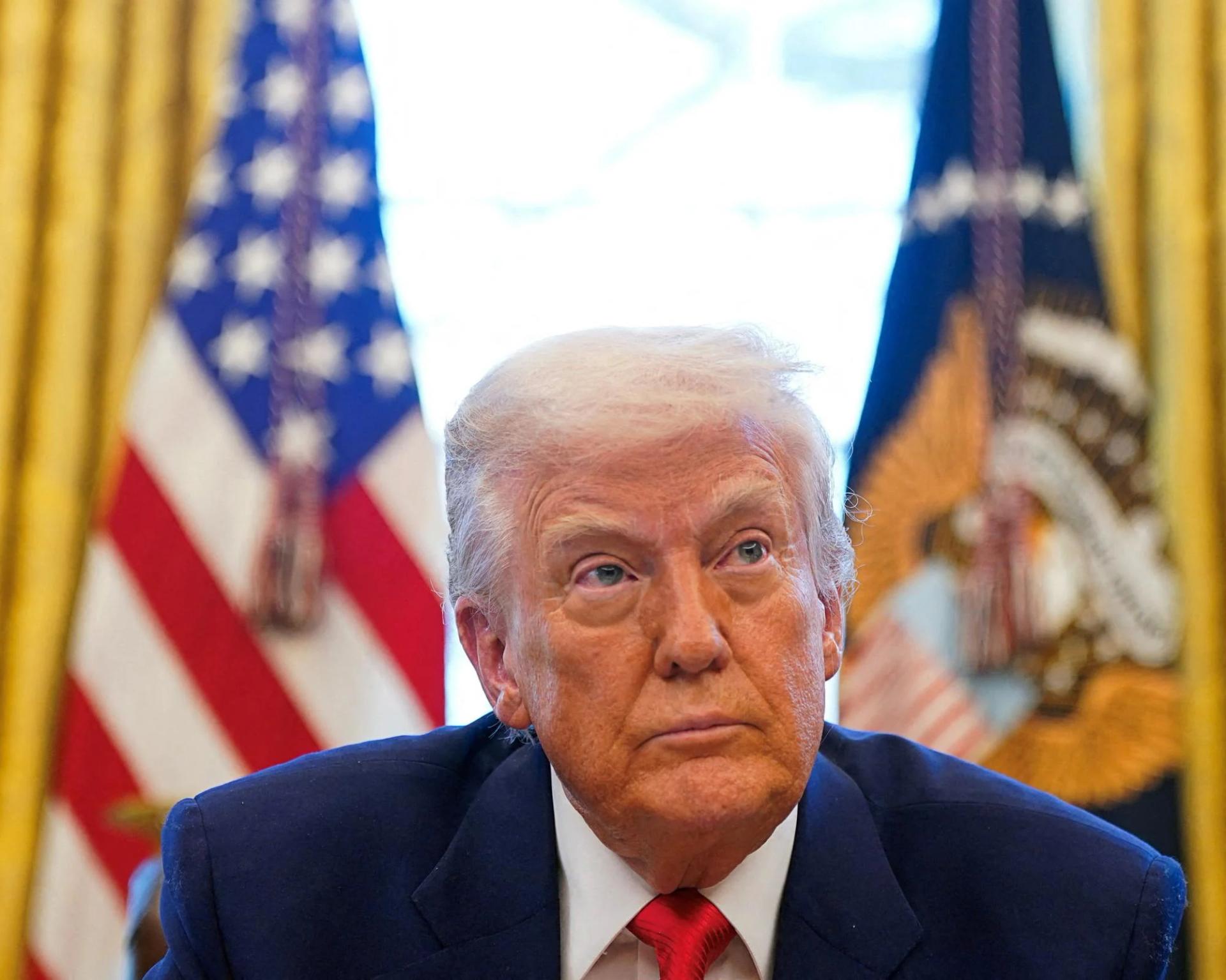
Multiple outlets report that Donald Trump announced on Truth Social that he has instructed the U.S. military leadership to resume nuclear weapons testing “on an equal basis” with Russia and China. This announcement potentially ends a U.S. moratorium on nuclear testing that has been in place since 1992. Western mainstream sources say he “directed the Pentagon to resume nuclear weapons testing” and note the timing was “just before” or “minutes before” his meeting with China’s Xi Jinping in South Korea.
“President Trump announced... he has directed the Pentagon to resume nuclear weapons testing ‘on an equal basis’... The United States last conducted a nuclear test in 1992.”
Several accounts emphasize the long pause in U.S. explosive testing since 1992 and that this announcement comes amid heightened tensions over Russian and Chinese advances. The move was framed as immediate by several outlets, though details remain unclear across reports.
US Nuclear Arsenal Debate
Trump framed the move as necessary to keep pace with Russia and China. He repeatedly asserted that the U.S. has the largest arsenal, modernized during his first term. He warned that China could reach parity within five years.
Several outlets echo his claims, but others dispute them. Some independent tallies rank Russia’s stockpile as larger than America’s in 2025, with China far smaller. Some reports describe testing as starting “immediately,” while others note that details and timing remain unspecified.
Global Nuclear Activity Perspectives
Sources diverge on the context of other nations’ activities. Several Western mainstream outlets point to recent Russian tests of nuclear-capable systems, such as a nuclear-powered cruise missile or underwater drone, and drills. These outlets also emphasize that the U.S. has not conducted a nuclear explosive test since 1992.
“Russia withdrawing from arms control agreements and testing advanced nuclear weapons, and China rapidly modernizing its arsenal.”
By contrast, some other and West Asian reporting frames the U.S. move as igniting or escalating an arms race, with added regional concerns. One outlet goes further, claiming recent nuclear weapons tests by Russia and China, which conflicts with mainstream reports stating that neither country is known to have conducted full nuclear tests in recent decades.
Coverage of U.S. Test Ban Policy
Legal and policy context varies depending on the news outlet. Some outlets emphasize the voluntary U.S. moratorium on nuclear testing since 1992 and the history of the Comprehensive Nuclear-Test-Ban Treaty (CTBT). Others focus on the recent announcement without discussing treaty implications.
EconoTimes notes that the U.S. never ratified the test ban but has adhered to it for over 30 years. PressTV warns that the move could weaken the CTBT and potentially trigger an arms race.
CNBC recalls President Clinton’s 1996 signature on the treaty. In contrast, mainstream breaking news reports tend to highlight the announcement itself and the uncertainty surrounding its implementation rather than the legal framework.
Media Reactions to Trade Announcement
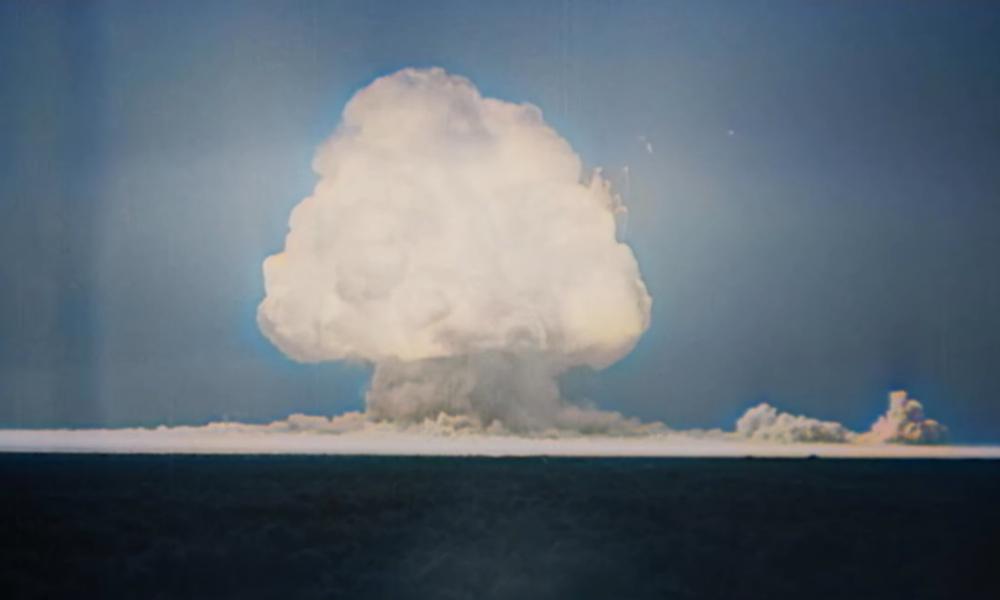
Coverage also splits on political theater and add‑ons around the announcement. Western and Asian outlets stress the trade summit backdrop. The Washington Post says Trump raised testing just before key talks.
India Today casts it as a negotiating gambit ahead of a pivotal Busan summit. The NZ Herald highlights soybeans and trade issues on the table. Other outlets inject unique or off‑topic elements.
Fox61 reports a plan to share nuclear‑submarine technology with South Korea to be built at Philly Shipyard. Baller Alert folds the news into a roundup of unrelated headlines.
Some meta coverage, like Times of India, references the resumption amid a broad content slate. Daily Caller’s provided text is purely about republication rules.