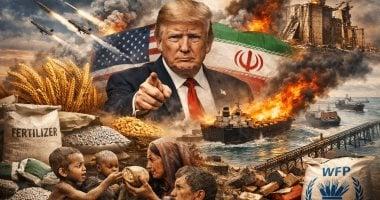
Trump Orders US Navy Blockade of Iranian Ports in Strait of Hormuz
Key Takeaways
- Trump ordered a naval blockade of the Strait of Hormuz targeting Iranian ports.
- Oil prices jumped above $100 per barrel following the blockade announcement and talks failure.
- Analysts warn the operation is a major military endeavour risking Tehran retaliation and wider escalation.
US Blocks Iranian Ports
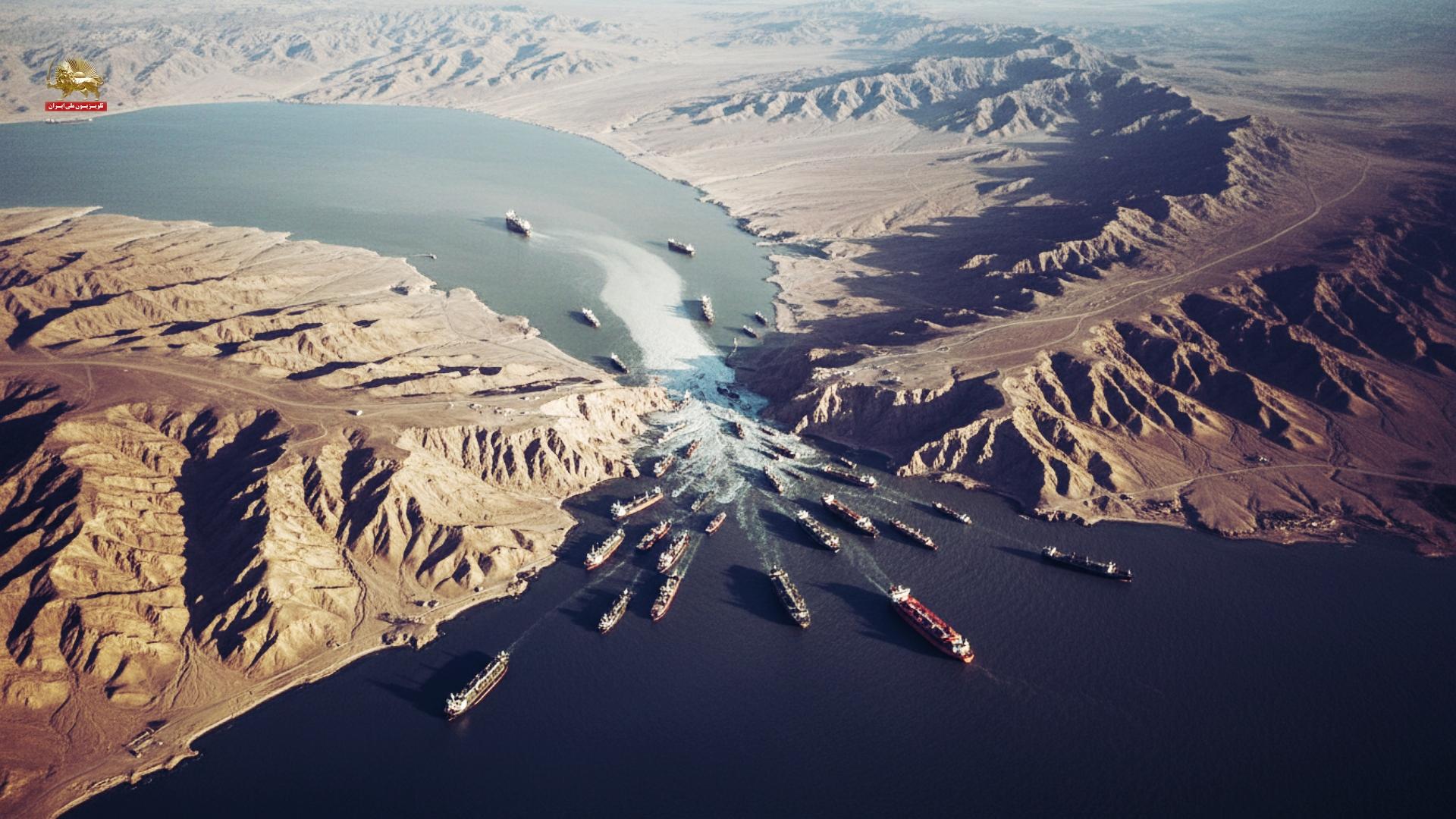
President Donald Trump ordered the US Navy to blockade Iranian ports in the Strait of Hormuz.
“Iran war's global energy crisis sharpens China’s advantage in clean tech The war in Iran is sharpening China’s advantage in promoting a renewable energy future, as oil disruptions expose the fragility of fossil fuel systems HONG KONG -- China is poised to benefit from the Iran war as global energy disruptions accelerate a shift away from fossil fuels and toward clean technologies and renewable power, industries that China dominates”
CENTCOM said the blockade would affect only ships entering and exiting Iranian ports, a scaling-back of Trump's initial threat.

The move came after Iran had effectively closed the strait since February 28.
Oil prices surged above $100 a barrel, with Brent crude jumping to $102.02 and WTI rising to $103.78.
Iran's Islamic Revolutionary Guard Corps warned that any military vessel attempting to approach the strait would be considered a violation of the ceasefire.
About 3,200 vessels were stranded west of the strait due to the blockage as of Saturday.
Energy Markets React
The announcement sent shockwaves through global energy markets.
Brent crude surged above $100.

European natural gas prices jumped, with Dutch futures rising as much as 17%.
The strait carries roughly 20% to 25% of global oil trade and around a fifth of liquefied natural gas.
Analysts warned prices could rise to around $150 per barrel.
The blockade also risked drawing China into the confrontation.
Legal and Military Risks
Experts warned that a blockade is an act of war requiring an open-ended commitment of warships.
“The shiftfrom thediplomatic to the maritime arenais not merely a change of setting; it implies a change in therules of the game”
It was unclear whether Washington would target only Iranian ports or all vessels that complied with Tehran’s toll system.
Retired Admiral Gary Roughead cautioned that Iran could fire on ships or attack infrastructure of Gulf states.
The blockade could worsen the energy and economic crisis in the short term.
The main factor of instability is the chain of execution in a narrow maritime corridor.
China's Clean Tech Advantage
The energy crisis sharpened China's advantage in clean technologies.
China makes up over 70% of EV manufacturing and about 85% of battery cell production globally.
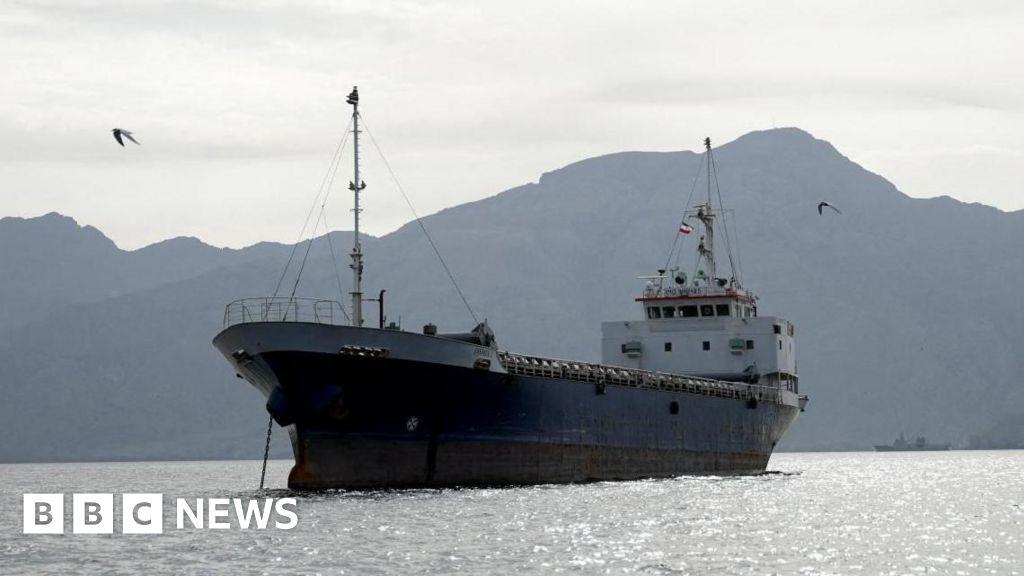
Chinese exports of solar panels, batteries and electric cars hit a record of almost $22.3 billion in December.
The energy shock is expected to boost demand for renewables in nations heavily dependent on energy imports.
Analysts warned the blockade could accelerate a global shift away from fossil fuels.
More on Iran
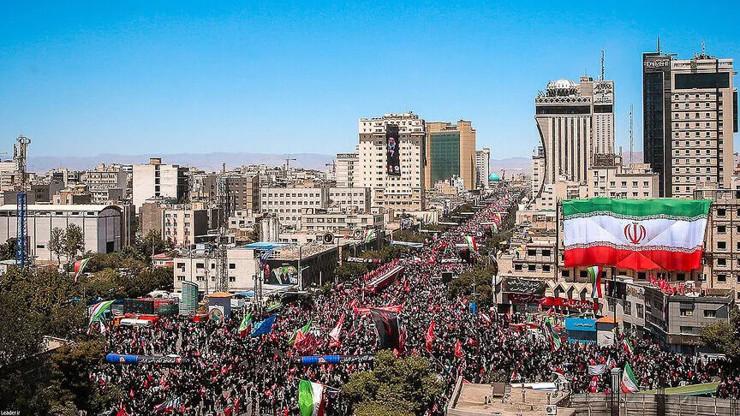
Israeli Strike Kills Ayatollah Ali Khamenei, Buried at Imam Reza Shrine in Mashhad
19 sources compared
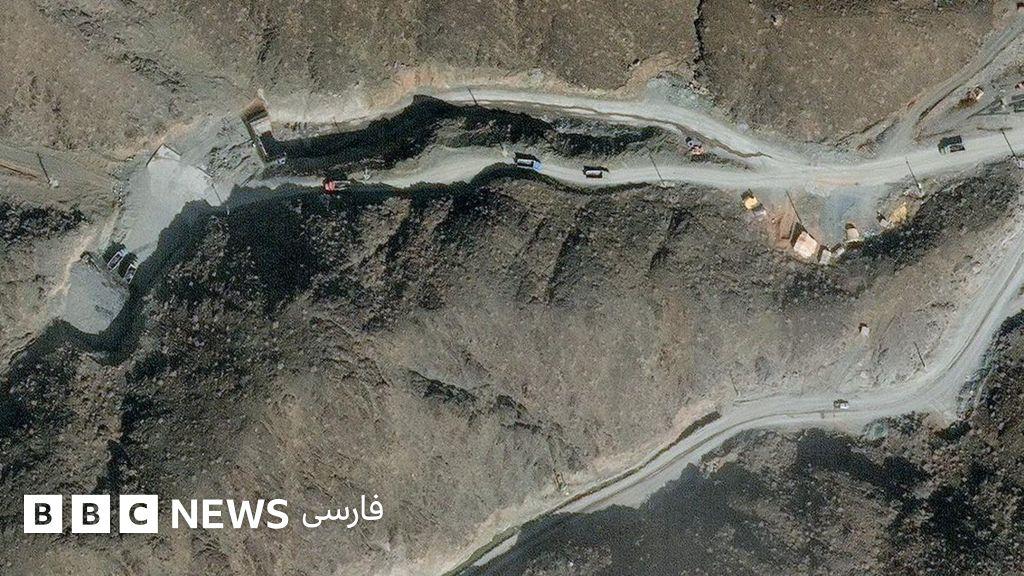
Iran Attempts To Restore Nuclear Sites Damaged In US And Israel Strikes, CNN Satellite Images Show
15 sources compared
Abbas Araghchi and Prince Faisal Bin Farhan Discuss Regional Developments After US Attacks
11 sources compared

Trump Says U.S. Agreed to Continue Iran Talks, Ceasefire Is Over
19 sources compared