USA20 March, 20263 min read
Trump Postpones AI Executive Order, Citing Fears It Could Dull America’s Edge Over China
Trump postponed signing the AI executive order hours before a ceremony. White House unveiled a national AI policy framework to preempt state laws and guide Congress.

Order Scrapped Hours Before
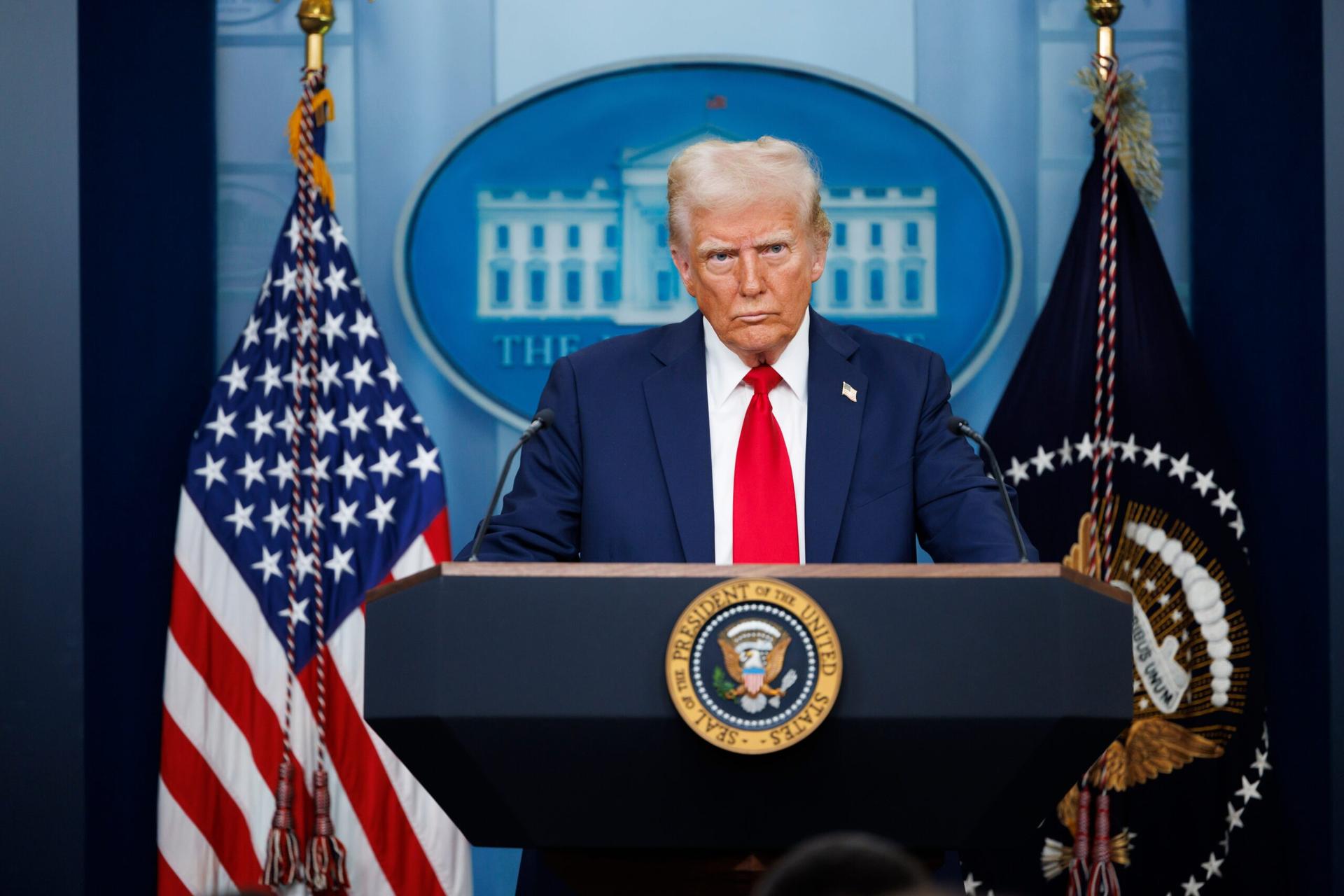
President Donald Trump called off plans to sign a new executive order on artificial intelligence hours before an expected White House ceremony Thursday, saying he was worried the measure could dull America’s edge on AI technology. Trump told reporters, “We’re leading China, we’re leading everybody, and I don’t want to do anything that’s going to get in the way of that lead,” as he postponed the Oval Office event with tech industry executives. The order would have established a framework for the government to vet the national security risks of the most advanced AI systems before their public release, according to a person familiar with the White House’s deliberations with the tech industry.
The directive was being characterized as a voluntary collaboration with participating U.S.-based tech companies, including Anthropic, OpenAI and Google, the person said. In a separate account, CBS News reported Trump said, “Because I didn’t like certain aspects of it, I postponed it,” and added, “I really thought that could have been a blocker, and I want to make sure that it’s not.”

Cybersecurity, China, and Divides
The proposed framework was tied to cybersecurity concerns, including a push for government action to review leading AI systems after banking-industry worries about the ability of AI to find cybersecurity vulnerabilities in software. Treasury Secretary Scott Bessent and outgoing Federal Reserve Chair Jerome Powell convened an urgent meeting with Wall Street CEOs in April, warning them about the cybersecurity risks posed by Anthropic’s AI model, Claude Mythos, according to the AP report. Bessent said at CNBC’s “Invest in America Forum” in Washington in April, “This new Anthropic model is very powerful,” and argued banks needed a way to discuss best practices.
In a different framing, TechCrunch said Trump told the White House press pool, “I didn’t like certain aspects of it,” and reported an unofficial reason that not enough tech CEOs could make it to Washington, D.C. on short notice. The TechCrunch account also tied the executive order’s language to a proposed requirement for AI companies to share advanced models with the government between 14 and 90 days ahead of launch, which Trump said “could have been a blocker.”
What Happens Next
The postponement leaves the White House without the canceled executive order’s planned voluntary framework for vetting advanced AI models before public release, even as the administration continues to describe a balance between safety and innovation.
“The White House has pushed back against state laws seeking to regulate AI, saying the measures could curb growth.”
Vice President JD Vance declined to discuss specifics from the order at a White House press briefing Tuesday, but said the administration wants to promote innovation while also addressing cybersecurity threats and data privacy.
The AP report said similar screening was already happening, including the Commerce Department’s agreements earlier this month with Google, Microsoft and Elon Musk’s xAI to evaluate their most powerful AI models before their public release.
The CBS News account said it was “not clear what specific provisions in the executive order draft Mr. Trump feels would have potentially stifled that progress,” while also describing language to secure Pentagon systems and secure federal civilian systems.
With the signing ceremony scrapped, the TechCrunch report said the anticipated executive order would have tasked the Office of the National Cyber Director and other agencies with developing a process to evaluate AI models for security before their release.