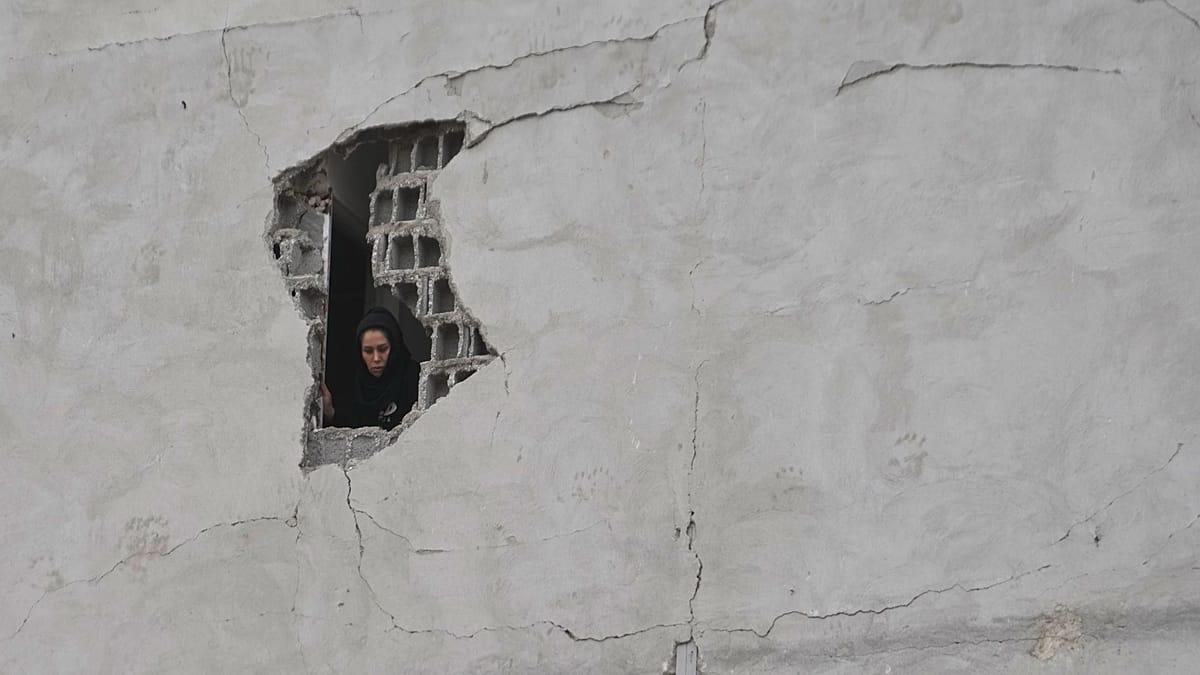
Trump Rejects Iran’s Latest Peace Proposal, Saying It Demands Nuclear Weapons
Key Takeaways
- Trump rejected Iran's latest peace proposal; threatened force if talks fail.
- Iran demanded U.S. forces withdrawal from the Persian Gulf and sanctions relief.
- Trump's 15-point plan is rejected by Iran amid Pakistan-mediated talks.
Trump Rejects Iran Proposal
President Donald Trump said he was still not satisfied with Iran’s latest peace offerings after Iranian negotiators relayed a new proposal to mediators, setting up another round of uncertainty over whether the United States and Iran can reach an end to their conflict.
“Donald Trump has said that he is “not satisfied” with Iran’s latest peace proposal to end the war which has killed thousands and triggered a global energy crisis”
Speaking with reporters on the White House lawn on May 1, Trump said Iran’s leadership has been “very disjointed,” and he signaled he would hold off on dispatching his envoys for in-person talks because such engagements entail “lengthy travel” and have “yet to yield much progress.”

Trump also said, when asked why he isn’t satisfied, “They're asking for things that I can't agree to.”
The Islamic Republic News Agency reported that Iranian negotiators transmitted their latest peace terms through Pakistani intermediaries overnight on April 30.
CNN described a deadline clock tied to Pakistan receiving Iran’s revised peace proposal, noting that sources familiar with the process said Iran had sent a fresh proposal to negotiators later in the day.
CNN also quoted Trump’s public messaging, including a Truth Social post with a mocked-up image of Trump holding a gun and the caption “No more Mr. Nice Guy,” and Trump’s Oval Office line that “At this moment, there will never be a deal unless they agree that there will be no nuclear weapons.”
The dispute over nuclear demands remained central as Iran pushed back, with CNN reporting that Supreme Leader Mojtaba Khamenei said Iran would “safeguard” its nuclear and missile capabilities and that “foreign actors” have no place in the Persian Gulf except “the depths of its waters.”
Ceasefire Framework and Deadlines
While Trump publicly rejected the latest proposal, the United States and Iran were also described as working through a framework for a peace plan mediated through Pakistan, with competing timelines and conditions shaping the next moves.
CNBC العربية reported that the United States and Iran on Monday worked out a framework for a peace plan to end the five-week-old conflict, with Tehran saying it wanted a permanent end to the war and rejecting pressure to quickly reopen the Strait of Hormuz under a temporary ceasefire.
The report said the Islamic Republic News Agency (IRNA) reported on Monday that Iran conveyed to Pakistan its response to the American proposal to end the war, rejecting the ceasefire and stressing the need to reach a permanent end to the war, and that the Iranian reply included 10 points.
CNBC العربية added that President Donald Trump threatened Tehran with “hell” if it did not strike an agreement that would allow the resumption of navigation through the Strait of Hormuz by 8:00 p.m. tomorrow, Tuesday, Eastern Time.
The same report said a source familiar with the proposals on Monday said the peace plan, mediated by Pakistan after intensive overnight contacts, proposes an immediate ceasefire followed by reaching a comprehensive agreement within a period of 15 to 20 days.
CNBC العربية also said the Pakistani Army Chief Asim Munir conducted overnight communications with U.S. Vice President J.D. Vance, the special envoy Steve Wittkov, and Iranian Foreign Minister Abbas Araghchi.
Separately, Economy News, citing ISNA and Anadolu Agency, described Iran demanding an immediate halt to hostilities by U.S. and Israeli forces and an unconditional backing off from Trump’s deadline set for the Strait of Hormuz, while Anadolu Agency said Iran would consider the proposal only if the United States and the Israeli regime immediately stop all forms of hostility against Iran, including targeting senior military and civilian officials.
Reuters reporting, as relayed in the same dataset, said Pakistan had drafted a framework to end the clashes and exchanged it last night with Iran and the United States, with the plan including two stages: an immediate ceasefire and subsequently a comprehensive agreement.
Iran’s Nuclear and Enrichment Red Lines
Across the competing proposals, Iran’s stance on nuclear capabilities and enrichment remained a defining point of friction, with multiple reports describing Tehran’s insistence on preserving its nuclear and missile posture while rejecting demands tied to “no nuclear weapons.”
CNN said Iran pushed back against Trump’s key demand, reporting that Supreme Leader Mojtaba Khamenei said Iran would “safeguard” its nuclear and missile capabilities and that “foreign actors” have no place in the Persian Gulf except “the depths of its waters.”
CNN also described the negotiation impasse as centered on Iran’s insistence on its right to enrich uranium for peaceful purposes, calling it a “critical red line for both sides.”
BBC reported that Iran rejected the 15-point plan, and it described five Iranian conditions for ending the conflict, including paying compensation for damages, while also stating that the conditions differ from Trump’s proposals published by Israel’s Channel 12.
In the BBC account, Press TV outlined Iranian conditions that included a full stop to aggression and assassinations by the enemy and emphasized that Tehran demands compensation for war damages and to retain exclusive control of the Strait of Hormuz, while also stating that there is “common ground with Washington” regarding Iran’s lack of access to nuclear weapons but “no talk of zeroing enrichment.”
The BBC report also said the plans included reopening the Strait of Hormuz as a free shipping corridor and lifting all international sanctions on Iran, while the sanctions were fully reimposed last November after Iran suspended inspections of its nuclear facilities following American and Israeli strikes targeting several of its nuclear sites and military bases.
Another report, from CNBC العربية, said Iran responded to American and Israeli attacks in February by effectively closing the Strait of Hormuz, and it framed the Strait as a pressure lever Tehran showed reluctance to give up easily.
Even in the context of negotiations, CNN reported an Iranian source saying Tehran could see talks restarting if the U.S. lifts its blockade of Iranian ports and Iran fully reopens the Strait of Hormuz, while the U.S. made it clear Iran should let any ships pass through the strait unconditionally.
Taken together, the sources depict a negotiation landscape where nuclear enrichment and the Strait of Hormuz are intertwined with the credibility of any ceasefire and the scope of sanctions relief.
Competing Narratives on Negotiations
The sources also diverge in how they portray the negotiation process itself, with some accounts emphasizing incremental proposals and others emphasizing rejection, threats, or denial of talks.
CNN described a stalemate that “drags on” while the world waits for hope of a deal, and it said the clock was ticking down on Friday to an anticipated deadline for Pakistan to receive Iran’s revised peace proposal after Trump rejected a previous version.
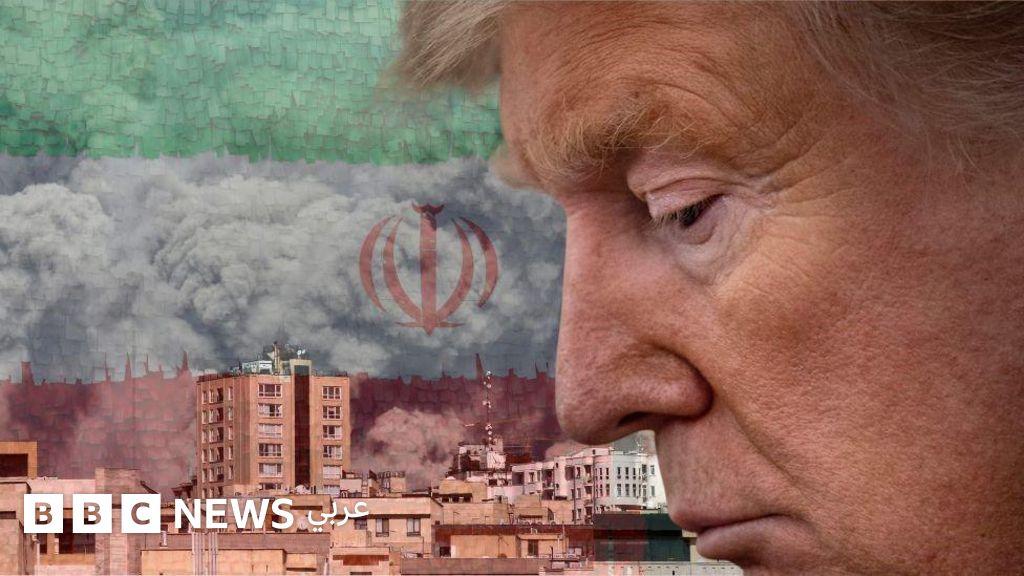
CNN then said sources familiar with the process reported that Iran sent a fresh proposal to negotiators, and it described mediators in Islamabad believing a fair deal is within reach.
In contrast, BBC said Iran rejected the 15-point plan, and it reported that the Press TV channel quoted a senior political-security official outlining five Iranian conditions for ending the conflict, including paying compensation for damages.
BBC also reported that Mojtaba Khamenei denied conducting negotiations and wrote on X: “No negotiations with the United States have taken place, and false news are being used to manipulate financial and oil markets and to cover up the impasse facing the United States and Israel.”
Another report, from the باشگاه خبرنگاران جوان dataset, quoted Ali Laarijani, secretary of the Supreme National Security Council of Iran, saying: “There are no negotiations on any topic other than the nuclear program.”
At the same time, the same dataset quoted Netanyahu saying Trump’s conditions could push Iran to accept terms, while Trump said on Wednesday that he had a “very good” meeting with Netanyahu and that “Nothing definite was achieved except that I stressed that negotiations with Iran should continue.”
The NTD News account framed Trump’s stance as dissatisfaction with Iran’s peace offerings and highlighted that Trump would hold off on dispatching his envoys for in-person talks, while the Islamic Republic News Agency reported Iranian negotiators transmitted their latest peace terms through Pakistani intermediaries overnight on April 30.
Meanwhile, Al-Khandaq’s translated Guardian-related piece described renewed discussion centers on a fifteen-point peace plan and suggested it could be a rehash of demands Iran had previously rejected, while also pointing to issues such as freedom of navigation in the Strait of Hormuz and security guarantees for Gulf states.
Taken together, the reporting shows that even when the same broad topic—peace proposals mediated by Pakistan—appears across outlets, the emphasis shifts between “fresh proposal” narratives, “rejection” narratives, and “no negotiations” denials.
What Comes Next and What’s at Stake
The next phase of the standoff, as described across the sources, hinges on whether deadlines are met, whether navigation through the Strait of Hormuz resumes, and whether sanctions relief and nuclear constraints can be aligned with Iran’s conditions.
“The United States and Iran on Monday worked out a framework for a peace plan to end the five-week-old conflict between them, at a time when Tehran said it wanted a permanent end to the war and rejected pressure to quickly reopen the Strait of Hormuz under a temporary ceasefire”
CNBC العربية said Trump threatened Tehran with hell if it did not strike an agreement that would allow resumption of navigation through the Strait of Hormuz by 8:00 p.m. tomorrow, Tuesday, Eastern Time, while also noting that Iran wanted a permanent end to the war and rejected pressure to quickly reopen the Strait under a temporary ceasefire.
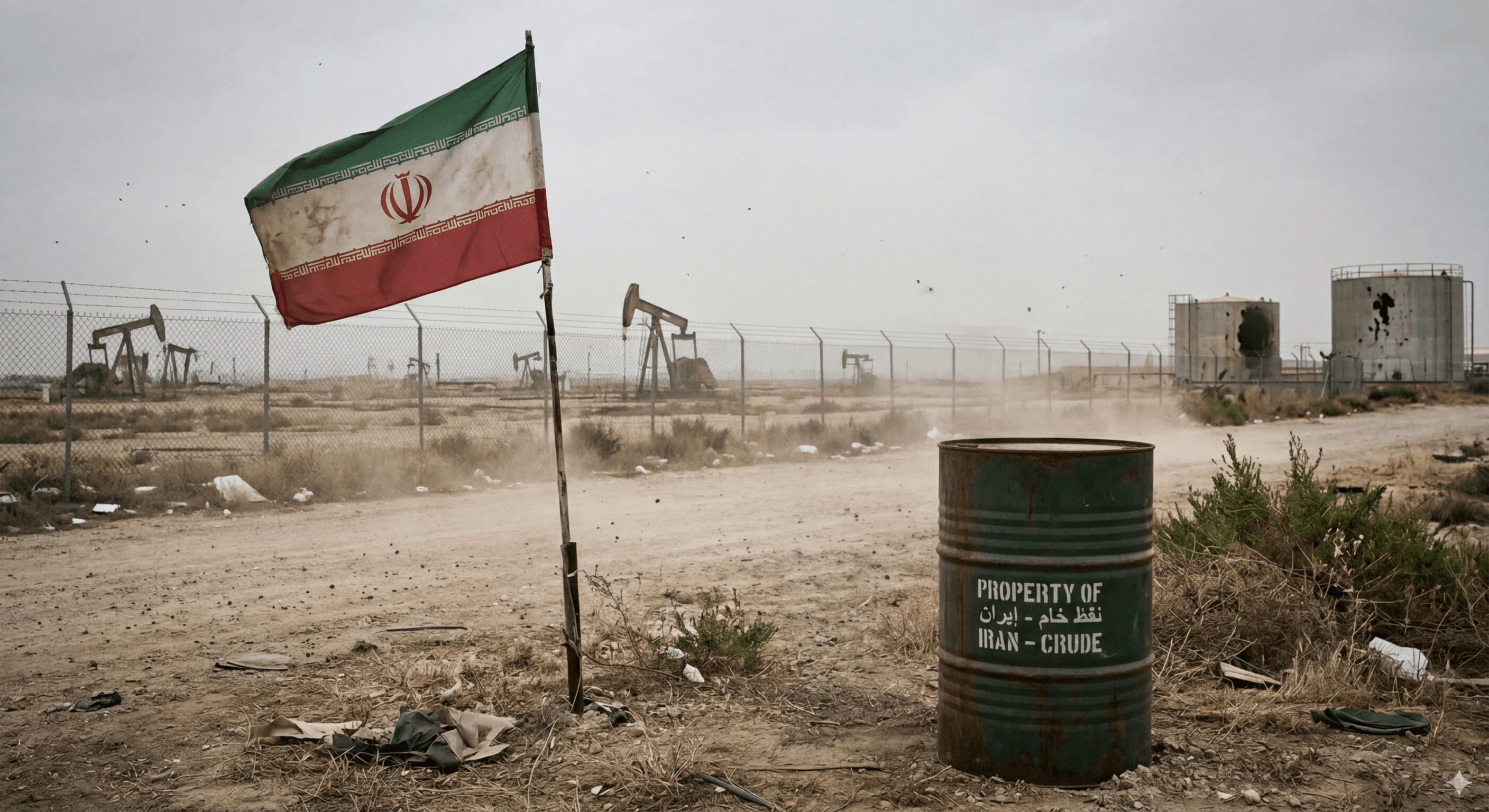
CNN reported that the U.S. and Iran both doubled down on threats and taunts, and it described Trump’s strategy as inflicting maximum economic pain, including preparing to extend the U.S. naval blockade of Iranian ports and considering a longer-term closure of the Strait of Hormuz.
CNN also said the U.S. intercepted or redirected nearly 40 ships attempting to enter or exit Iranian ports since the blockade began earlier this month, and it quoted Trump telling reporters, “The blockade is genius.”
The same CNN report said Iranian military headquarters and the supreme leader’s top military adviser, Moshen Rezaei, publicly threatened to retaliate if the blockade continues, while Iranian Parliament Speaker Mohammad Bagher Ghalibaf ridiculed the notion of blockading Iran in a post that included a comparison to walls from NYC to the West Coast and another from LA to the East Coast totaling “7,755 km.”
Separately, Economy News, citing ISNA and Anadolu Agency, said Iran’s proposal would be considered only if the United States and the Israeli regime immediately stop all forms of hostility against Iran, including targeting senior military and civilian officials, and it described a two-stage plan with an immediate ceasefire followed by a comprehensive agreement.
BBC described the economic and strategic stakes of reopening the Strait, stating that closing it led to a sharp rise in prices and fears of a global economic recession, and it said the plan calls for lifting all international sanctions on Iran.
Even the alternative reporting about Iran’s conditions framed the stakes in terms of compensation and control, with Tabnak’s statement saying Iran forced the “criminal America to accept its ten-point plan” and listing commitments including “paying damages to Iran” and “withdrawing U.S. combat forces from the region.”
Across these accounts, the sources converge on the Strait of Hormuz and nuclear constraints as the central levers, while the immediate next step is tied to deadlines and whether any ceasefire framework can be converted into a comprehensive agreement.
More on Iran

Trump Administration Says Iran War ‘Terminated’ as War Powers Deadline Nears May 1
16 sources compared
U.S. Treasury Warns Shippers Not to Pay Iran Strait of Hormuz Tolls
11 sources compared

Iran Submits New Negotiations Proposal To US Via Pakistani Mediator
10 sources compared

Donald Trump Tells Congress U.S. Hostilities With Iran Have Terminated Ahead of War Powers Deadline
19 sources compared