
Trump Rejects Iran’s Proposal To Reopen Strait of Hormuz And End War
Key Takeaways
- Iran proposed a two-stage plan to end the war and reopen the Strait of Hormuz.
- Trump is not satisfied and unlikely to accept Iran's proposal.
- The proposal would reopen Hormuz and end the war while deferring nuclear talks.
Proposal, rejection, and timing
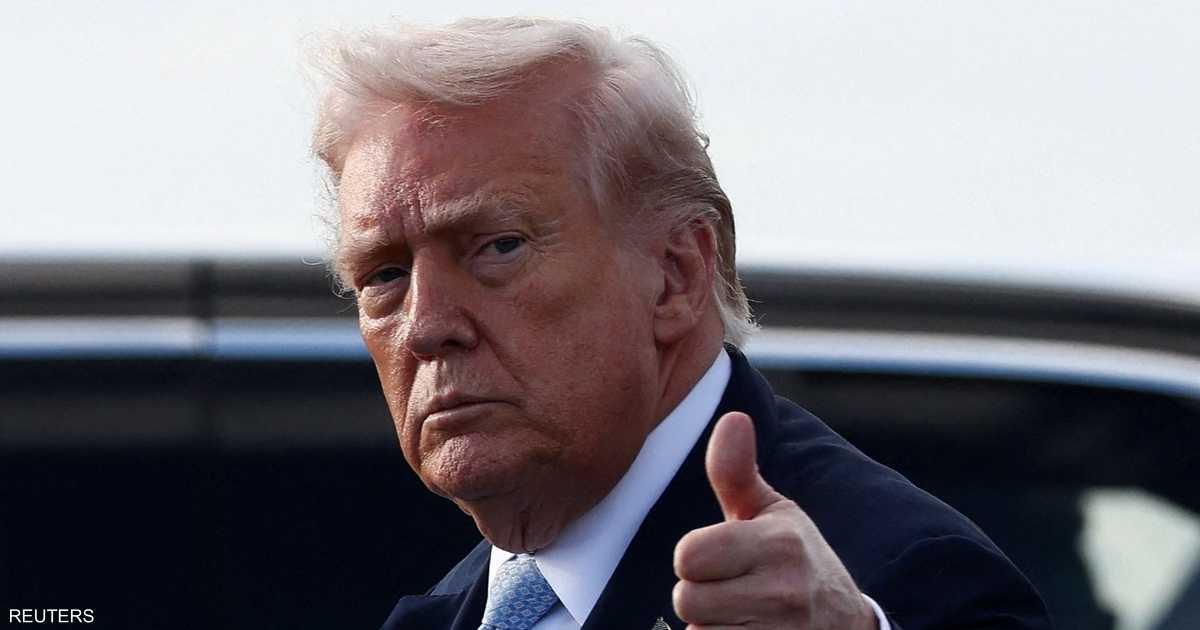
U.S. President Donald Trump told advisers in the White House Situation Room on Monday that he was not satisfied with Iran’s latest proposal to reopen the Strait of Hormuz and end the war, according to multiple people briefed on the discussions.
The proposal, described by The New York Times, would have set aside questions about what to do with Iran’s nuclear program while calling on the United States to end its naval blockade.

Reuters and other outlets reported that Trump’s dissatisfaction centered on the proposal’s failure to address Iran’s nuclear program from the outset, with one U.S. official telling Reuters, "He doesn't love the proposal."
The White House did not comment on Trump’s thinking, but press secretary Karoline Leavitt said, "The president’s red lines with respect to Iran have been made very clear, not just to the American public, but to them as well."
White House spokeswoman Olivia Wales also reiterated the administration’s approach, saying, "The United States will not negotiate through the press — we have clearly defined our red lines, and the president will only strike a deal if it is beneficial to the American people and the world."
Multiple reports tied the proposal’s delivery to Pakistani mediators and described it as a plan to reopen the strait while deferring nuclear negotiations to a later phase.
CNN similarly said Trump was unlikely to accept the proposal and that it would reopen the Strait of Hormuz while leaving questions about Tehran’s nuclear program for later negotiations.
Internal debate and leverage
Behind the scenes, the proposal’s structure—reopening the Strait of Hormuz while postponing nuclear negotiations—sparked debate inside the Trump administration about who had leverage and how to manage the economic strain from the blockade.
The Inbox.lv report said the Iranian proposal to open the strait “sparked lively debates within the American administration,” including discussion of “who holds more influence — the U.S. or Iran — and which side would better cope with the economic difficulties arising from the blockade of the waterway.”

It also said Trump discussed the proposal with his advisors on Monday after receiving it through Iranian Foreign Minister Abbas Araghchi, who conveyed it to Pakistan on Sunday.
Reuters and France 24 described the same core issue: Washington wanted nuclear questions addressed from the outset, and the proposal’s deferral risked weakening American leverage.
France 24 said the U.S. and Tehran remained locked in a standoff over the Strait of Hormuz, through which “a fifth of the world’s traded oil and gas passes in peacetime,” and it noted Trump’s concerns over the proposal’s failure to address Iran’s nuclear programme.
CNN added that reopening the strait without resolving questions over Iran’s nuclear enrichment or stockpile of near-bomb-grade uranium could remove “a key piece of American leverage in the talks.”
The RFE/RL report also framed the administration’s stance as requiring “rigorous oversight and limitations on nuclear enrichment,” while Rubio told Fox News that “The nuclear question is the reason why we're in this in the first place.”
Putin, Merz, and Rubio
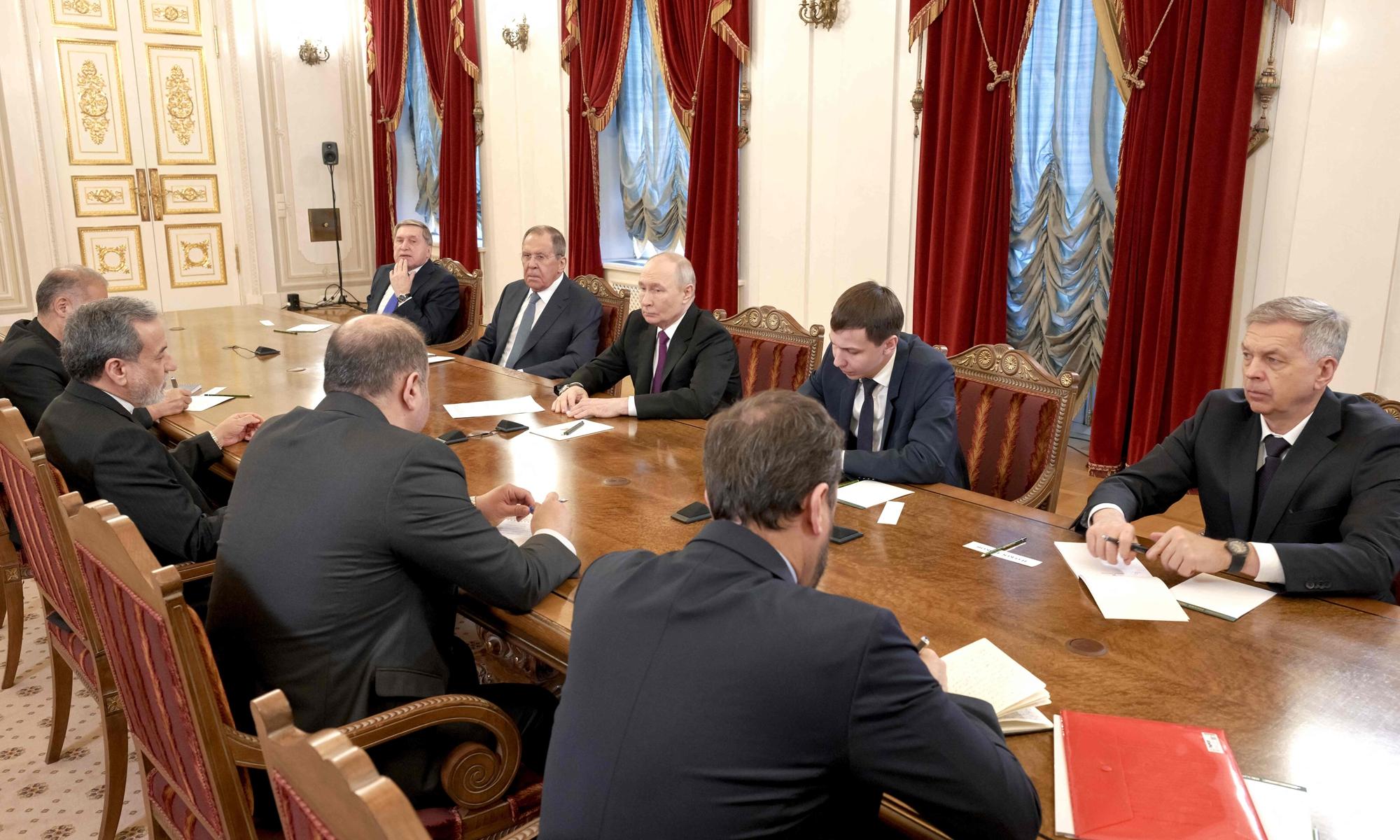
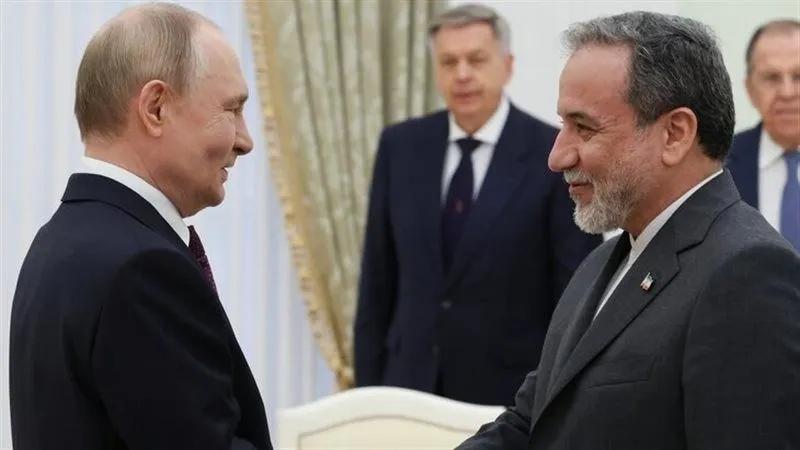
A parallel diplomatic track unfolded as Iran’s foreign minister, Abbas Araghchi, engaged Russia while the U.S. weighed the proposal.
CNN reported that Russia’s President Vladimir Putin said he received a message last week from Iran’s new supreme leader and that Putin made the remarks in a meeting with Araghchi in Russia.
CNN also quoted Putin’s statement to Araghchi, including, “Please convey to the Supreme Leader my appreciation for his message and my best wishes for his good health and well-being,” and said Russia “will do everything that meets your interests and the interests of all peoples in the region in order to ensure that this peace is achieved as quickly as possible.”
On the European side, Germany’s chancellor Friedrich Merz criticized the negotiation process and said the U.S. was being “humiliated,” adding, “An entire nation is being humiliated by the Iranian leadership, especially by these so-called Revolutionary Guards.”
Merz also said it was clear the Strait of Hormuz had been “at least partially mined,” and he said, “We have offered, also as Europeans, to send German minesweepers to clear the strait, which has obviously been mined in part.”
In Washington, Secretary of State Marco Rubio told Fox News that Iran’s nuclear ambitions were central, saying, “There’s no doubt in my mind that at some point in the future, if this radical clerical regime remains in charge in Iran, they will decide they want a nuclear weapon,” and he added, “I think they are serious about getting themselves out of the mess that they’re in.”
RFE/RL also quoted Araghchi’s gratitude to Russia, including, "Pleased to engage with Russia at the highest level as the region is in major flux," and "Recent events have evidenced the depth and strength of our strategic partnership."
Russia defends Iran at UN
Russia’s position hardened in parallel with the diplomatic exchanges, with its UN ambassador defending Iran’s right to restrict navigation in the Strait of Hormuz.
Fox News reported that Russia’s ambassador to the United Nations, Vassily Nebenzia, defended Iran and accused Western countries of hypocrisy at a UN Security Council meeting.
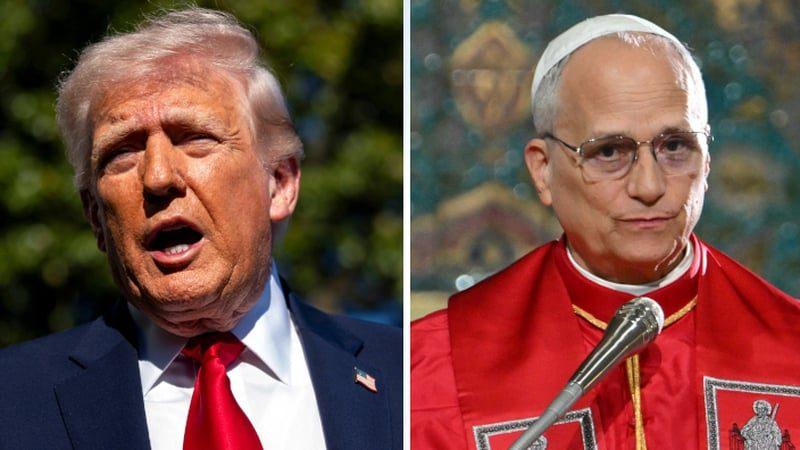
Nebenzia said, “There was an attempt to pin full responsibility on Iran as if it was Iran which attacked its neighbors and Iran is deliberately obstructing the navigation through the Strait of Hormuz,” and he argued, “In times of war, a coastal state that is under attack may limit navigation in its territorial waters for the purpose of security.”
He also compared Western nations to pirates, saying, “Unlike pirates who raise their black flags with a skull and crossbones in their vessels, Western countries are attempting to conceal their lawless actions with references to unilateral coercive measures,” and he added, “This is merely a fig leaf, the purpose of which is to conceal the fact that the [European Union] is engaged in blatant robbery at sea.”
The same Fox News report said the comments came after Russia and China earlier this month vetoed a Security Council draft resolution that sought to secure freedom of navigation in the Strait of Hormuz.
Meanwhile, the U.S. side continued to insist on nuclear issues as a prerequisite for any deal, with Rubio telling Fox News that Washington must ensure “any agreement that is made, is one that definitively prevents them from sprinting toward a nuclear weapon at any point.”
CNN said American officials remained unsure who held ultimate decision-making power in Tehran and that Trump sounded skeptical about restarting the U.S. bombing campaign, which CNN said was on hold after he extended a ceasefire last week.
What happens next
As the diplomatic window opened and closed around the proposal, the next steps remained uncertain, with multiple outlets describing ongoing discussions and the possibility that the U.S. would not accept a plan that defers nuclear issues.
CNN said it wasn’t clear after Monday’s meeting what Trump’s next steps would be, and it described the proposal as transmitted to the U.S. over the last few days, with two people familiar with the matter saying Trump conveyed his views during a Monday meeting with top national security officials.

Reuters and other reports said work to bridge gaps between the two parties had not stopped, while the White House declined to comment on the specific contours of the negotiations.
RFE/RL reported that White House press secretary Karoline Leavitt confirmed Trump had discussed a new Iranian proposal with his top security aides on April 27, and she told journalists in Washington, “Well, only because it's been reported, I will confirm the president has met with his national security team this morning,” adding that the meeting “may be ongoing.”
The same RFE/RL report quoted Leavitt saying, “The president's red lines with respect to Iran have been made very, very clear, not just to the American public,” and it said she refused to get into details before Trump.
In parallel, the political pressure in Washington continued, with CNN reporting that Democrats planned to force a sixth vote on a War Powers Resolution to end Trump’s “war of choice” in Iran as the conflict reached its 60-day mark, and it quoted Chuck Schumer saying, “THIS WEEK: Senate Democrats will force a SIXTH vote on our War Powers Resolution.”
On the economic side, France 24 emphasized the strait’s role in global energy flows and RFE/RL quoted Scott Bessent warning, “Pumping will soon collapse,” as Iran faced an imminent gasoline shortage.
More on Iran
Donald Trump Is Unhappy With Iran’s Latest Proposal To End Two-Month War
16 sources compared
Trump Discusses Iranian Proposal To Reopen Strait Of Hormuz, Postpones Nuclear Talks
50 sources compared
Putin Pledges Support for Iran as Abbas Araghchi Meets Him in St. Petersburg
30 sources compared
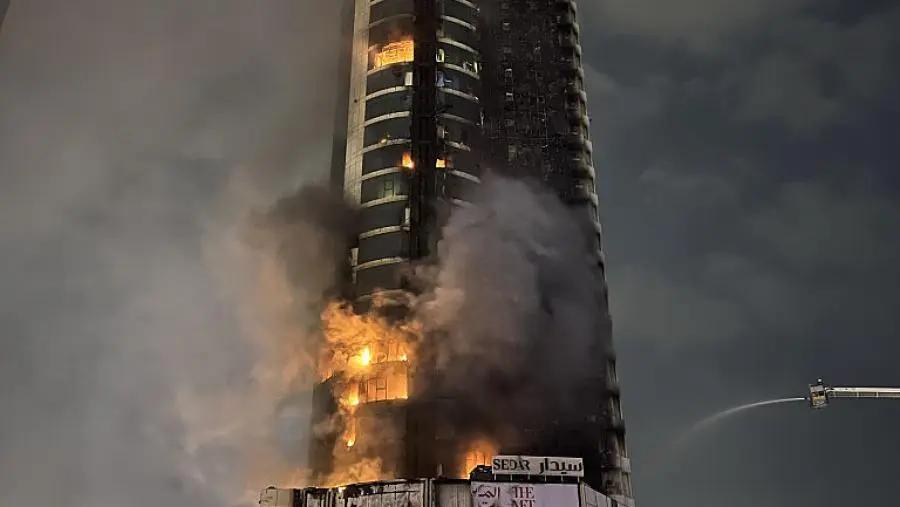
Bahrain Revokes Citizenship of 69 People for Supporting Iran Amid Regional Escalation
12 sources compared