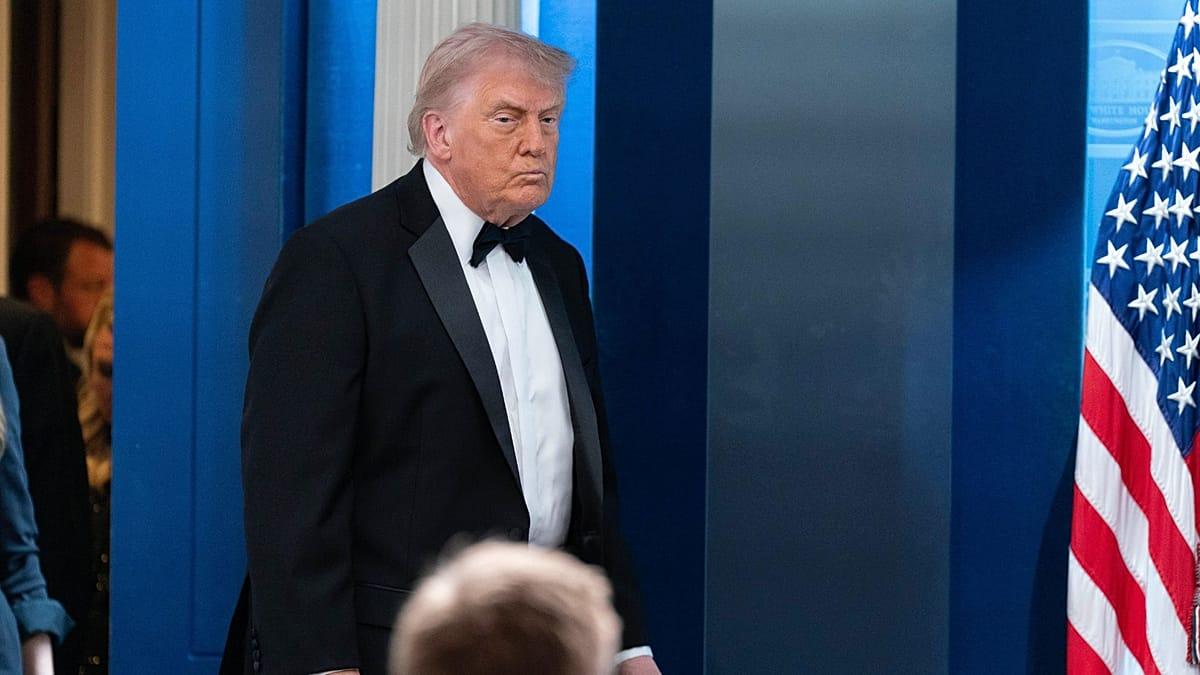
Trump Rejects Iran’s Strait of Hormuz Proposal, Warns of Retaliation
Key Takeaways
- Iran's plan would open the Strait of Hormuz, lift the blockade, and pause nuclear talks.
- Trump says he is not satisfied with Iran's latest proposal to end the war.
- Trump claims hostilities have terminated ahead of the war powers deadline.
New Strait Proposal, Trump Dissatisfied
Iran has offered a proposal tied to the Strait of Hormuz that would, according to a senior Iranian official, “open shipping in the Strait of Hormuz and end the US blockade of Iran while leaving talks on Iran’s nuclear programme for later.”
The Straits Times reports that the proposal was “so far rejected by US President Donald Trump,” who said on May 1 that he was “not satisfied with the latest Iranian proposal for talks.”
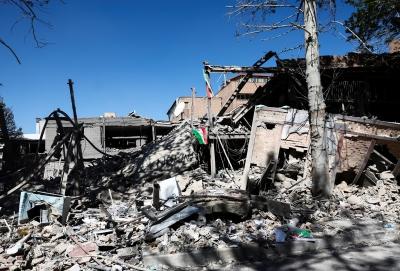
CBS News similarly frames the U.S. position around Trump’s dissatisfaction, saying President Trump was “not satisfied” with “a new Iranian deal to end the war sent to the U.S., through Pakistani mediators.”
The same CBS News account says a senior Iranian commander warned that “any new U.S. attacks will draw ‘sustained, wide-ranging, and painful retaliation.’”
The proposal’s sequencing is central to the dispute: the Straits Times says the nuclear programme talks would be left “for later,” while the U.S. response focuses on whether the offer meets its conditions.
In parallel, the Straits Times adds that Trump said on May 1 that “on a human basis,” he did not prefer the military course of action against Iran, and that he told leaders in the U.S. Congress he did not need their permission to extend the war beyond a deadline set by law because the ceasefire had “terminated” hostilities.
Blockade, Ports, and Negotiation Timing
The dispute over the Strait of Hormuz and the U.S. blockade of Iranian ports runs through multiple accounts of the latest diplomacy.
The Washington Post is cited by Roayahnews as saying a Pakistani official told the outlet that Iran proposed a Hormuz deal “in exchange for the ports,” with Iran asking the United States “to lift the blockade imposed on its ports in exchange for reopening the Strait of Hormuz to maritime traffic.”

The same Roayahnews report says the Pakistani official “did not specify whether Tehran would continue to require ships to coordinate with it during passage or impose fees on them,” but it adds that Iran “directly ties ending the restrictions on its ports to reopening the strategic strait to international navigation.”
Masrawy’s account, citing the Wall Street Journal, describes Iran’s proposal as discussing “the opening of the Strait of Hormuz in exchange for guarantees to halt attacks and lift the blockade imposed on Iranian ports,” and it says the proposal also includes an offer to “discuss the Iranian nuclear issue at a later stage in exchange for easing American sanctions.”
The Straits Times also ties the proposal to the blockade, saying it would “end the US blockade of Iran” while leaving nuclear talks “for later.”
At the same time, the U.S. position is described as rejecting the approach that starts with Hormuz and blockade relief: Roayahnews says Washington viewed a prior Iranian proposal as an attempt “to rearrange the negotiating priorities,” linking the navigation crisis to easing the blockade while keeping “the nuclear file unaddressed.”
In a separate report, CBS News notes that Trump told congressional leaders he was addressing “a under a decades-old law meant to limit the use of military force without authorization from Congress,” placing the negotiations and the legal framing of force in the same political moment.
Trump’s Threats and U.S. Negotiation Team
While Iran’s proposal is framed as offering diplomacy, U.S. messaging in the CBS News account mixes negotiation with threats.
CBS News reports that Trump’s new Iranian deal was sent “through Pakistani mediators,” and it says a senior Iranian commander warned that “any new U.S. attacks will draw ‘sustained, wide-ranging, and painful retaliation.’”
CBS News also says the White House confirmed that Nick Stewart, described as “a sharp, seasoned policy expert,” joined the diplomatic team working to end the war with Iran.
The White House statement quoted by CBS News says: “Nick Stewart is a sharp, seasoned policy expert who is a valuable asset to Special Envoy Steve Witkoff's talented team,” and it adds that Stewart “brings a wealth of leadership and Iran policy experience to the role.”
CBS News further reports that Stewart was brought on by Jared Kushner, and it notes that Stewart formerly worked for the lobbying arm of Foundation for the Defense of Democracy, described as “a hawkish group known to have been very supportive of military action against Iran.”
Another report, from فرارو, adds a different angle on Trump’s public posture, saying Trump tried “to send a hopeful message” while also claiming on social media that “Iran has agreed to every demand the United States wants and has received nothing in return.”
The same فرارو text says Trump also claimed the naval blockade would continue and that the U.S. Navy had “turned back several ships,” while it notes that verifying details was “extremely difficult.”
Arms Deals as Talks Stall
As negotiations remain stalled, one West Asian report says the Trump administration is accelerating arms deals for Middle East allies.
The الوطن report states that “The Trump administration has approved the fast-tracking of emergency arms deals worth more than $8.6 billion for several U.S. allies in the Middle East,” and it says the deals were approved “at a time when negotiations to end the war between Washington and Tehran remain at a standstill with no tangible progress.”
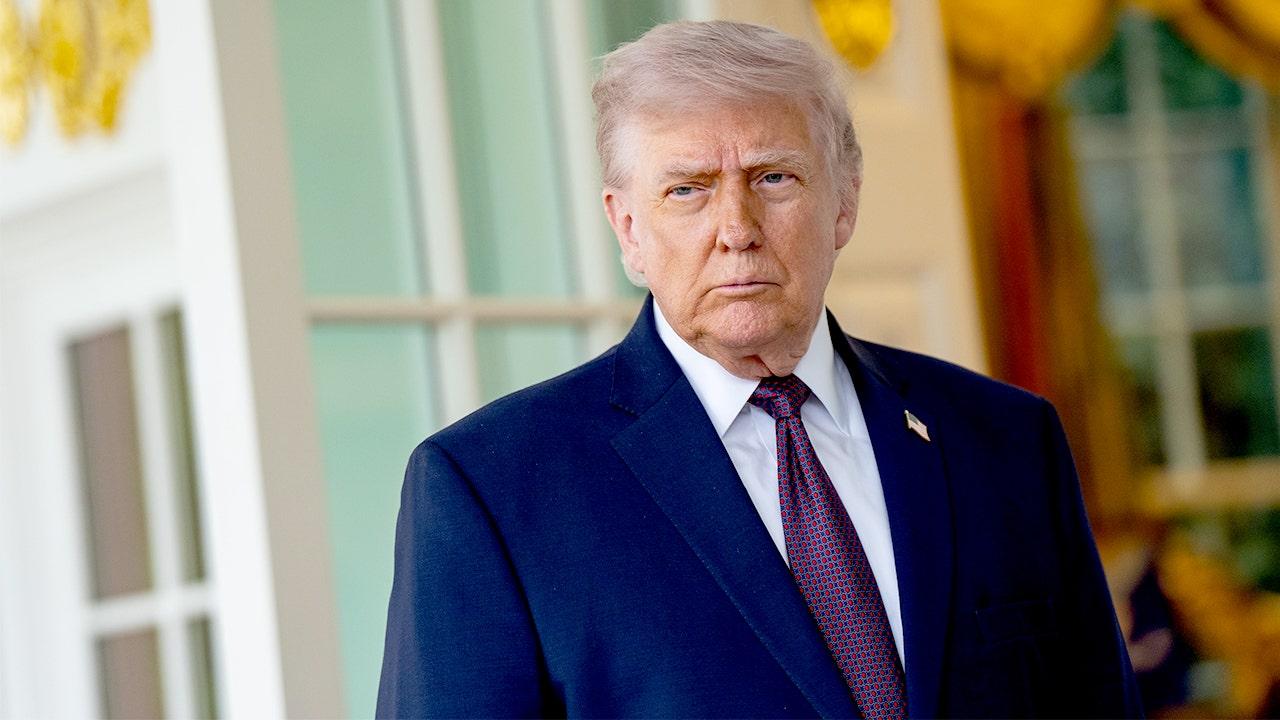
It adds that the U.S. State Department announced these deals, including “supplying Israel, Qatar, and the United Arab Emirates with guided missiles, along with air defense systems for Qatar and Kuwait,” after Gulf states faced “repeated drone attacks and Iranian ballistic missile strikes during the war.”
The same report says “Under the agreement, Qatar will receive Patriot interceptor missiles valued at more than $4 billion,” and it says “Laser-guided missiles to the United Arab Emirates and Qatar” and “the Advanced Precision Kill System that relies on laser-guided missiles” are included for Israel, the United Arab Emirates, and Qatar.
It also says “Kuwait has purchased an advanced air defense system worth about $2.5 billion.”
The report attributes the acceleration to Secretary of State Marco Rubio, stating that Rubio “activated the emergency clause to accelerate closings and allow immediate sales, thereby bypassing the usual congressional review procedures,” and it says the move was “criticized by Democrats.”
It further claims this is “the third time the Trump administration has used this measure during the war with Iran,” and it links the arms deals to “major depletion of ammunition in the United States and its allies during military operations.”
Islamabad Talks and Iran’s Response
The negotiation process is described as moving through Pakistan’s mediation, with Islamabad featuring prominently in multiple accounts.
CBS News says the new Iranian deal was sent to the U.S. “through Pakistani mediators,” and it places the latest U.S. dissatisfaction in the same timeline as that mediation.
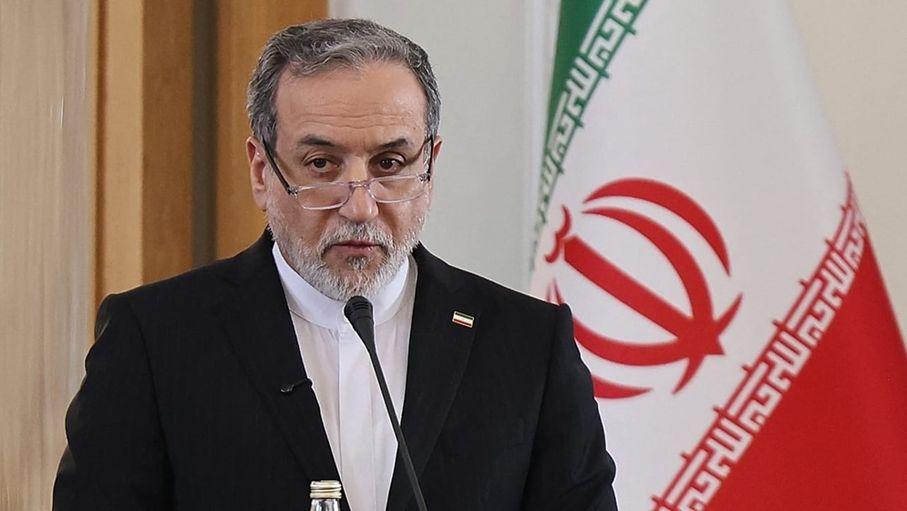
The Straits Times likewise describes an Iranian proposal rejected by Trump and says Iran’s foreign minister said Tehran was ready for diplomacy if the United States changes its approach.
روزنامه دنیای اقتصاد quotes Seyed Ahmad Alamolhoda in Mashhad’s Friday prayer sermons, where he argues that if Iran maintains control of the Strait of Hormuz, “no one will be able to whisper about launching an attack on Iran,” and he adds that “Negotiation and dealing with the United States have no meaning.”
The فرارو report includes a detailed account of a speaker of parliament addressing the Iranian nation, saying: “Dear Iranian nation, the Strait of Hormuz is under the control of the Islamic Republic.”
That same speech says: “In Islamabad I told the American delegation that if their minelayer moves even slightly forward from its position, we will certainly fire at it,” and it adds that the Americans “asked for 15 minutes to order a return, and they were granted it.”
The ILNA-linked analysis in ایلنا says Iran reopened the route for commercial ships “as a defined route and with coordination with the IRGC Navy,” describing it as “de facto field control” until a security mechanism is in place.
More on Iran
Iran Delivers New Draft to Pakistan as Mohammad Jafar Asadi Says US War Likely Restart
12 sources compared
Trump Says Iran Hostilities Have Terminated as Germany Anticipates 5,000 Troop Withdrawal
21 sources compared

Trump Says U.S. Navy Is Like Pirates During Hormuz Blockade And Ship Seizure
44 sources compared

Donald Trump Tells Congress U.S. Hostilities With Iran Have Terminated After 60-Day War Powers Deadline
33 sources compared