Full story
Proposal, Deadline, and Doubt
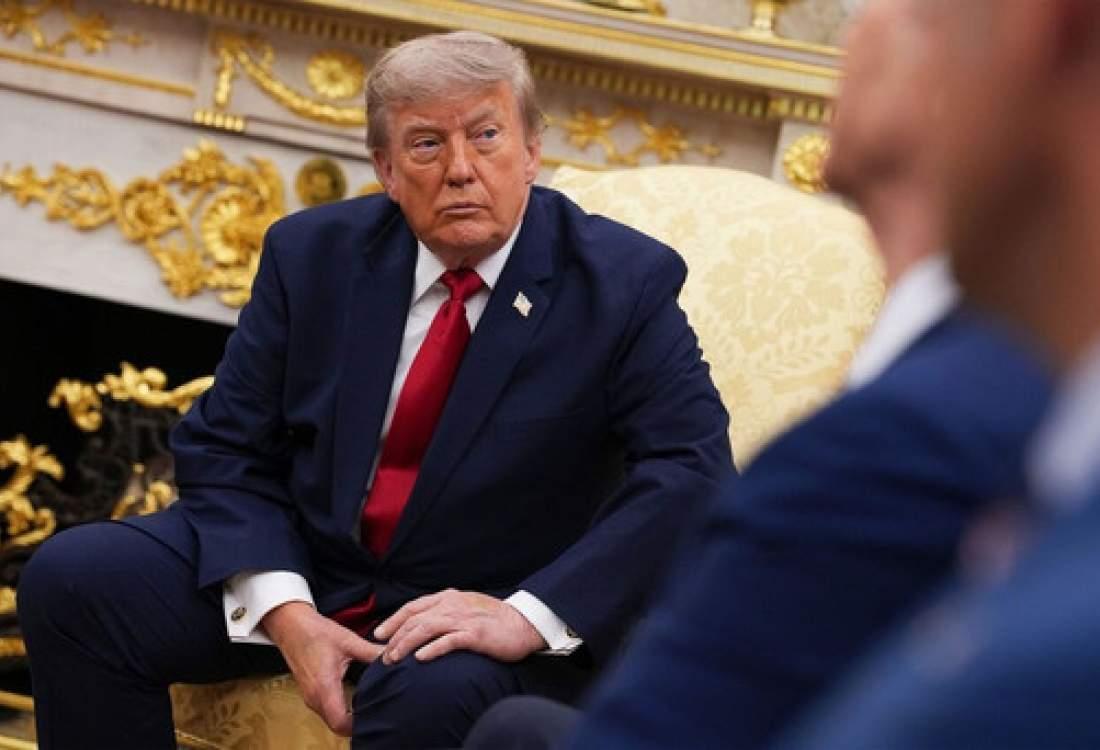
President Donald Trump said Saturday he will soon review a new 14-point peace proposal from Iran, after Iranian state media reported Tehran submitted it, while the United States simultaneously fast-tracked $8 billion in arms sales to its Middle East allies.
“President Donald Trump said Saturday he will soon review a new plan from Iran”
CNN reported that Iran’s proposal was submitted through a Pakistani intermediary and that it calls for “ending the war on all fronts, including Lebanon,” according to Tasnim news agency.

CNN also quoted Trump saying he “can’t imagine that it would be acceptable,” after state media reported Iran sent the proposal.
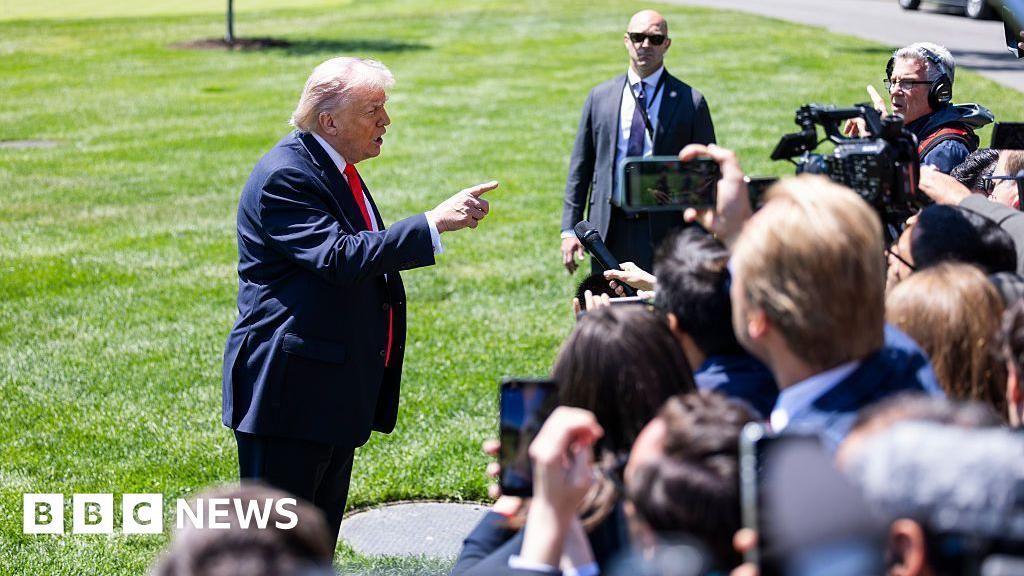
CBS News said Trump told reporters on the tarmac of Palm Beach International Airport, “I haven’t seen it,” and then added, “They’re going to give me the exact wording now.”
The legal fight over the war’s authorization remained active in parallel: BBC said Friday was the 60th day since Trump formally notified Congress of the strikes against Iran on 2 March, and it quoted Trump saying, “We just had a conversation with Iran. Let’s see what happens. But, I would say that I am not happy.”
In a letter dated 1 May, The Guardian reported Trump wrote that hostilities have “terminated,” and it cited his claim that “There has been no exchange of fire between United States Forces and Iran since April 7, 2026.”
Strait of Hormuz and Shipping
As Trump weighed Iran’s proposal, Iranian lawmakers moved toward restricting passage through the Strait of Hormuz, according to CNN’s account of Iranian state TV.
CNN said Iran’s parliament was poised to approve a law that would place restrictions on which vessels can pass through the critical waterway, reporting that “Israeli vessels will never be allowed through” and that ships from “hostile countries” would be required to pay reparations to obtain a permit.

The Times of Israel and CNN both tied the Strait to the broader standoff, with The Times of Israel reporting that a vice speaker of Iran’s parliament said Tehran would not “relinquish our rights in the Strait of Hormuz” and that “the movement of vessels in the Strait of Hormuz will not be the same as before.”
In parallel, The Hindu reported that the United States warned shipping companies they could face sanctions for making payments to Iran to safely pass through the Strait of Hormuz, and it quoted OFAC’s description of payment demands that could include “digital assets, offsets, informal swaps, or other in-kind payments.”
The Times of India described an India-linked supertanker, Sarv Shakti, crossing the Strait of Hormuz, calling it a “breakthrough for India” as it secured cooking fuel amid “a US blockade on Iran-linked shipping.”
BBC said oil prices dropped after news of Tehran’s latest offer, while it also stated that “The key shipping channel is still effectively closed - causing economic impacts around the world.”
Voices on War and Diplomacy
Multiple officials and officials framed the proposal and the risk of renewed fighting in sharply different terms.
““aimed at the permanent end” of the war”
CNN reported that Iran’s deputy foreign minister Kazem Gharibabadi said Iran’s proposal was “aimed at the permanent end” of the war, and it quoted him: “Now the ball is in the United States’ court to choose either the path of diplomacy or continuation of a confrontational approach.”
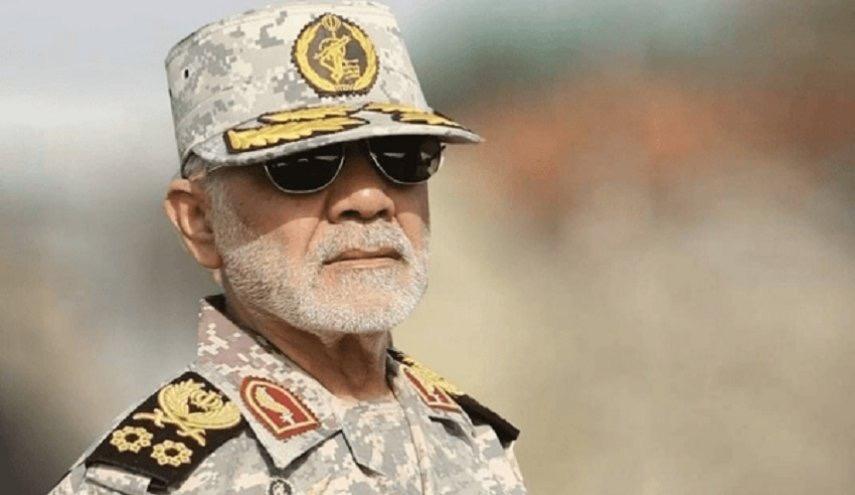
The Times of Israel reported that a senior Iranian military officer, Mohammad Jafar Asadi, said a renewed conflict was “likely,” and it quoted him saying, “Evidence has shown that the United States is not committed to any promises or agreements.”
BBC described Trump’s own stance as he told reporters, “We just had a conversation with Iran. Let’s see what happens. But, I would say that I am not happy,” and it also quoted him earlier that he was “not satisfied” with the new Iranian negotiating proposal.
In the United States, CBS News reported the White House confirmed Nick Stewart had joined the diplomatic team working to end the war with Iran, quoting the White House: “Nick Stewart is a sharp, seasoned policy expert who is a valuable asset to Special Envoy Steve Witkoff's talented team.”
The Guardian captured the domestic political dispute over legality, quoting Senator Chuck Schumer on X as saying, “That’s bullshit,” and it quoted Jeanne Shaheen saying Trump’s declaration “doesn’t reflect the reality that tens of thousands of US service members in the region are still in harm’s way.”
How Outlets Differ on Meaning
While all the outlets describe the same broad sequence—an Iranian 14-point proposal delivered via Pakistan, Trump’s review, and continued pressure around the Strait—each emphasizes different implications.
CNN stresses the diplomatic framing and the conditionality of Trump’s response, saying he “can’t imagine that it would be acceptable” and that Iran’s proposal calls for “ending the war on all fronts, including Lebanon,” while also highlighting Iran’s parliament restrictions and the US fast-tracked $8 billion arms sales.
BBC, by contrast, foregrounds the War Powers Resolution deadline mechanics, reporting that the 60-day clock is argued to be paused in a ceasefire and quoting Pete Hegseth: “We are in a ceasefire right now, which our understanding means the 60-day clock pauses or stops in a ceasefire,” while also including Prof Heather Brandon-Smith’s counterargument that “Hostilities have not ceased. The US has instituted a blockade of Iranian ports. This is an act of war.”
The Guardian focuses on Trump’s letter to congressional leaders, quoting his claim that “The hostilities that began on February 28, 2026, have terminated,” and it pairs that with political and legal pushback from Chuck Schumer and Jeanne Shaheen.
The Hindu and The Times of Israel both highlight Iranian military skepticism, with The Hindu saying a senior Iranian military officer told reporters that renewed fighting was “likely,” and The Times of Israel quoting Mohammad Jafar Asadi and also stating that Iran’s foreign ministry said it was up to the US whether to pursue a negotiated deal or return to open war.
CBS News centers the personnel and process side of diplomacy, reporting that Nick Stewart joined the diplomatic team working to end the war with Iran and quoting the White House statement about Special Envoy Steve Witkoff’s team.
What Comes Next
The sources portray immediate next steps as a mix of diplomatic review, legal deadlines, and continued operational pressure.
“Trump said Saturday the US plans to remove “a lot further” than the 5,000 troops”
CNN says Trump told reporters he would soon review the plan and that he “can’t imagine that it would be acceptable,” while it also reports that Iran’s proposal follows a nine-point US proposal and addresses guarantees against military aggression and withdrawal of US military forces from the region surrounding Iran.
BBC reports that the War Powers Resolution issue is still contested, quoting Tim Kaine’s response that “I do not believe the statute would support that,” and it also quotes Prof Heather Brandon-Smith saying “A ceasefire is not a permanent end to the conflict,” and that “To my mind, a permanent end to the conflict is what would actually sort of close up the 60 days.”
The Guardian reports that Trump’s letter “effectively waves off the 1 May legal deadline,” while it also says the Pentagon would continue to “update its force posture” across the region “as necessary and appropriate, to address Iranian and Iranian proxy forces’ threats.”
On the diplomatic track, CBS News reports that the White House confirmed Nick Stewart joined the diplomatic team working to end the war with Iran, and it places him within Special Envoy Steve Witkoff’s team.
On the regional track, CNN reports that Israel and Hezbollah continued to strike each other Saturday despite a declared ceasefire in Lebanon, and it says Iran submitted a 14-point response that calls for “ending the war on all fronts, including Lebanon.”