USAupdated 1h ago2 min read
Trump, Rubio Say Talks With Iran End as Pezeshkian Demands Lift Pressure, Threats, Sanctions
This article is an automated aggregation of coverage from news outlets. Our editorials offer in-depth analysis curated by the NewsCord team.
Iran prolongs talks with the United States to influence Trump's midterm prospects. Tehran demands lifting sanctions and ending threats before resuming negotiations.
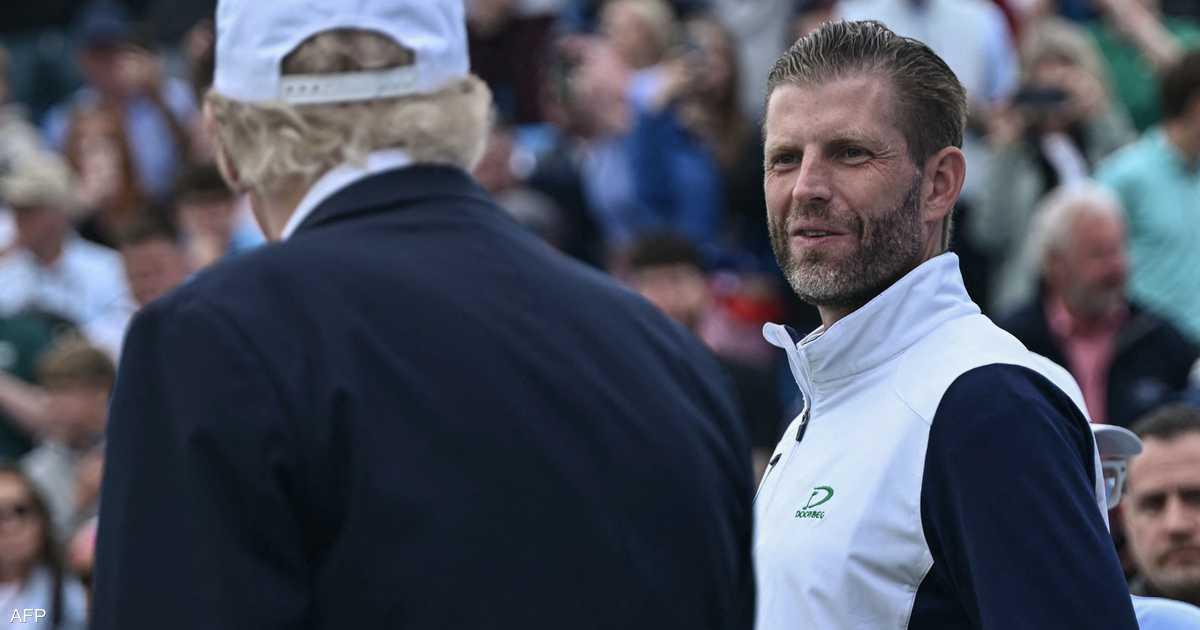
Trump, Rubio, Pezeshkian
U.S. President Donald Trump said, "There is only the final decision left regarding the way we want to win," as he framed the confrontation with Iran as a matter of choosing how to win.
“There is only the final decision left regarding the way we want to win.”
U.S. Secretary of State Marco Rubio said a political solution was no longer possible with Tehran, while Iranian President Masoud Pezeshkian told Pakistani Army Chief General Asim Munir that Washington must lift pressure, threats, and sanctions before engaging in negotiations.

Al Jazeera quoted Tim Constantine, deputy editor of the Washington Times, saying the Trump administration no longer believes in negotiations and that Rubio’s comments suggest the situation is moving toward a strong military strike before or after the midterm elections.
Hassan Ahmadian, professor of Middle East studies at Tehran University, told Al Jazeera that Iran’s existence as a country has become dependent on the strike Washington has threatened, and that Tehran is preparing for it "on a larger and broader scale this time."
Hegseth and Netanyahu
U.S. Secretary of Defense Pete Hegseth said the current war with Iran is not unfolding like previous wars and will not end the same way, stressing that President Trump has great power and will ensure a decisive end to the confrontation.
Doron Shibilman, Netanyahu's spokesman, said Hegseth and Netanyahu discussed regional threats and ways to confront them during an unannounced visit to Ovda Air Base in the Negev region.

Reuters reported that Iran deliberately prolonged talks with the US to try to weaken Donald Trump politically ahead of November's US midterm elections, while senior officials said fears of renewed military action and deep distrust reinforced Tehran's reluctance to strike a quick deal.
Reuters also quoted one senior Iranian official saying, "Iran is preparing for renewed Israeli and US attacks, not for a deal with America to end the war," and said the clerical establishment was determined "not to give Trump a political victory."
Midterms, pressure, and stakes
Reuters said the war has helped drive Trump’s approval rating to a record low, with polls suggesting Americans worried about high gasoline prices will punish his Republican Party in the November 3 congressional elections. Reuters reported that Tehran insisted that its conditions under a "seven-day plan" must be met before nuclear negotiations begin, and that Iran offered to reopen the strait within seven days provided Washington lifted its maritime blockade, eased restrictions on Iranian oil exports, released frozen assets and ended hostilities on all fronts.
The Atlantic reported through Al-Jazira that Donald Trump Jr. secretly opposes the U.S. war on Iran and told his father he believes the United States should not become involved in a new war in the Middle East. Pew Research Center data cited by Al-Jazira showed that a survey conducted between September 28 and October 4, 2026 found that 65 percent of Americans oppose how Trump is handling the military operations against Iran, while 33 percent support them.