Israeli Politicsupdated 54m ago2 min read
Archive photo · 2 June 2025Trump Says His Endorsement Helped Netanyahu Turn Likely Defeat Into Victory Bid
“When the endorsement came out, it helped him a lot.”
“one wonders what must be going through President Isaac Herzog's mind.”
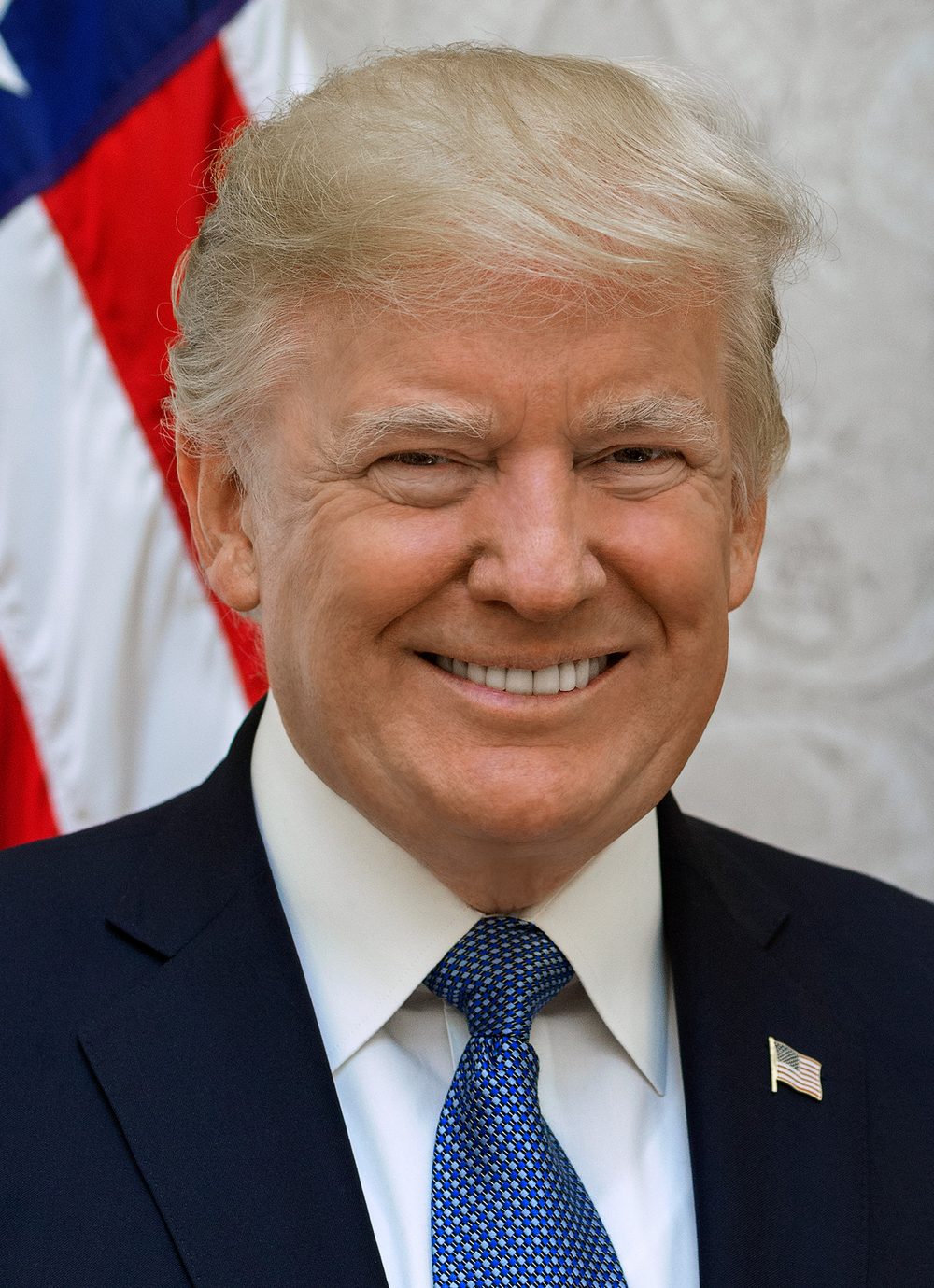
Photo: Daniel Torok, Public domain · Cropped for layout
This article is an automated aggregation of coverage from news outlets. Our editorials offer in-depth analysis curated by the NewsCord team.
Trump claimed his endorsement helped turn Netanyahu's expected defeat into a closer race. Exit polls show Likud as the largest party but without an overall majority.
Trump credits Netanyahu
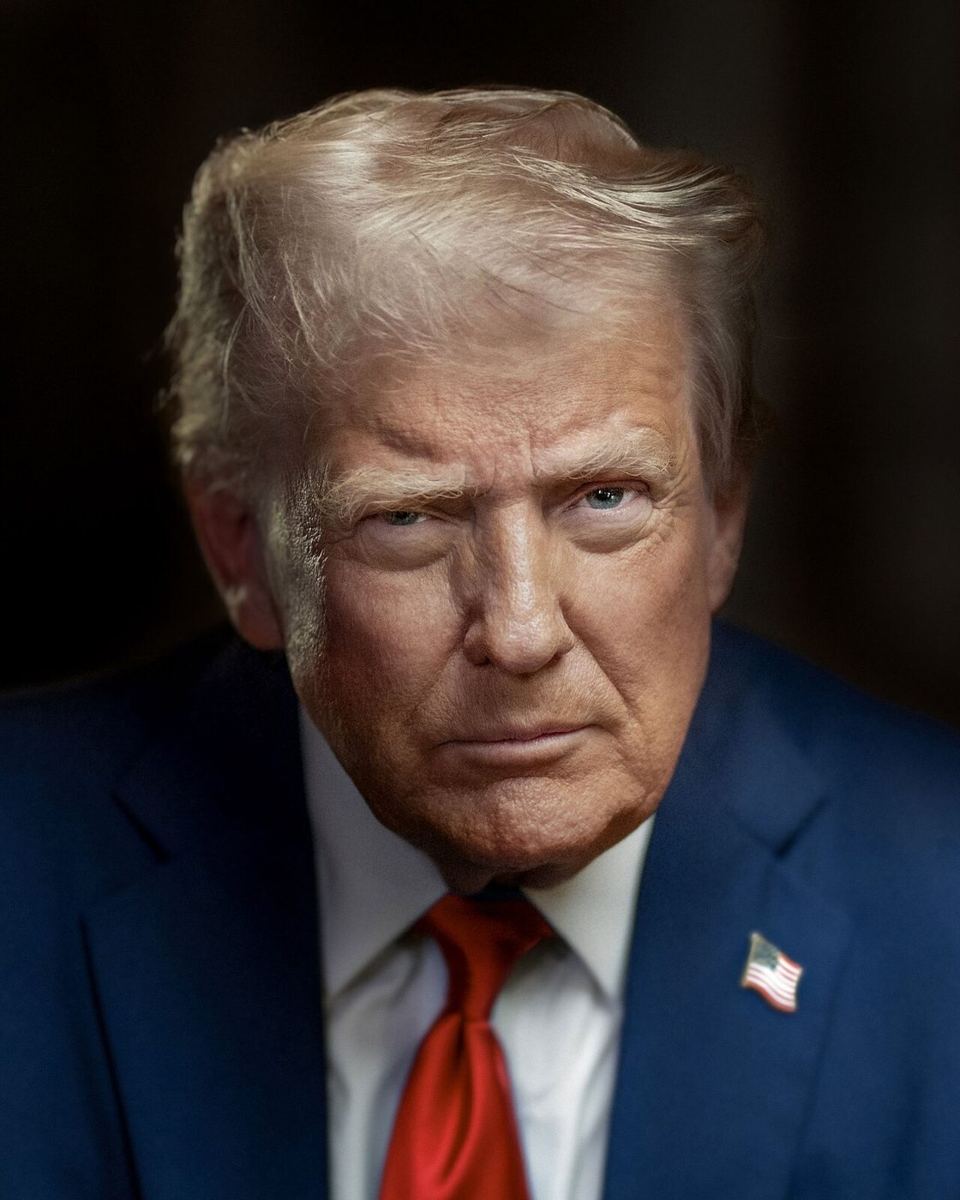
Donald Trump told reporters that his endorsement helped turn Prime Minister Benjamin Netanyahu’s “likely defeat” into “a close contest or even a potential victory” as vote counts continued in Israel’s 120-member Knesset.
Trump said, “When the endorsement came out, it helped him a lot,” while adding, “It’s still a little early. But I hear in Israel, I mean, top people are saying, 'Wow, he did much better.'”
By 6:02 a.m. Wednesday, with 41.09% of votes counted, Netanyahu’s Likud was projected to win 28 seats compared with 21 for Gadi Eisenkot’s Yashar party, and Netanyahu’s right-wing and religious bloc was projected to have 57 seats versus 47 for the rival pro-change bloc.
The Central Elections Committee projections left both blocs short of the 61 seats needed for a government, and the results remained fluid as most ballots were still being counted.
Trump also amplified his claims on Truth Social, sharing a statement attributed to Irving C. Schwartz that said, “When President Trump endorsed Bibi Netanyahu, the whole tide turned.”
October 7 shadows vote
Netanyahu’s campaign centered on the “King Bibi” challenge, with his bid for reelection coming after what many Israelis consider the greatest security failure in the country’s history: the Hamas-led attacks on October 7, 2023. Netanyahu acknowledged some responsibility for not preventing what happened on October 7, 2023, when “thousands of armed men led by Hamas” broke through the border from Gaza, killing about 1,200 people and taking 251 more to Gaza as hostages. Netanyahu faced an ongoing criminal trial on corruption charges that he denies, while polls suggested a tight contest between Netanyahu’s right-wing bloc and an opposition bloc formed by parties working together to oust him.
Exit polls from Israel’s major television networks projected that a majority of Israelis voted against Netanyahu’s coalition in Tuesday’s election, while his Likud still emerged as the largest party. Neither bloc had a clear majority in the 120-seat Knesset, and both candidates would likely struggle to cobble together a coalition without majority support.
Coalition math and next steps
President Isaac Herzog would have to decide which of Benjamin Netanyahu or Gadi Eisenkot gets the first chance to form Israel’s next government under Israeli law, after exit polls showed Likud as the largest party but Eisenkot’s bloc holding more seats overall. Initial projections from Kan and Channel 13 placed the opposition bloc on 53 seats against Netanyahu’s 50, while neither side appeared to have the 61 seats necessary to command a Knesset majority. Both Netanyahu and those opposing him vowed not to form a government reliant on Arab parties, and Arab citizens of Israel are around 20% of the population.
Gadi Eisenkot said, “The Israeli public has voted against Netanyahu's service as Israel's prime minister,” and he told supporters a “worthy leader” would have announced retirement from politics. The election was decisive for Netanyahu, with more than 7.3 million citizens called to renew the 120 seats in the Knesset, turnout at 74.3% at 8:00 p.m., and exit polls showing an unclear picture between Channel 13 and Channel 12.