
Trump Says Iran Agreed To Nuclear Inspections Into Infinity, Iran Denies
Key Takeaways
- Trump claims Iran agreed to broad UN nuclear inspections.
- Iran denies any plans to invite back IAEA inspectors.
- Media outlets show conflicting accounts on inspections and Switzerland talks.
Inspections Dispute
The United States and Iran traded conflicting claims over whether Tehran agreed to allow nuclear inspections after the first round of negotiations in Switzerland ended on Monday, with President Donald Trump saying Iran had agreed to inspections into "infinity" while Iran said that was not the case.
“Iran says no new commitments on nuclear sites after Vance says inspectors to be invited back Iran has denied a claim by Vice-President JD Vance that it will allow nuclear inspectors back into the country, after the first round of talks between Washington and Tehran to reach a final deal to end the war”
SBS Australia reported that Trump said the two sides also offered conflicting accounts about financial incentives for Iran, control of the Strait of Hormuz, and Israel's parallel war in Lebanon as part of the framework deal signed last week to end the war.
NBC News said Iran’s Foreign Ministry spokesperson Esmail Baghaei told reporters in Tehran that U.N. inspectors were not scheduled to examine nuclear sites bombed by the U.S. last year, rejecting comments made a day before by U.S. Vice President JD Vance.
NBC News added that Trump told reporters Tuesday that if Iran had not agreed to inspections, he would cut off talks with Tehran immediately, while also saying there was no rush for those inspections to begin.
Hormuz Shipping Returns
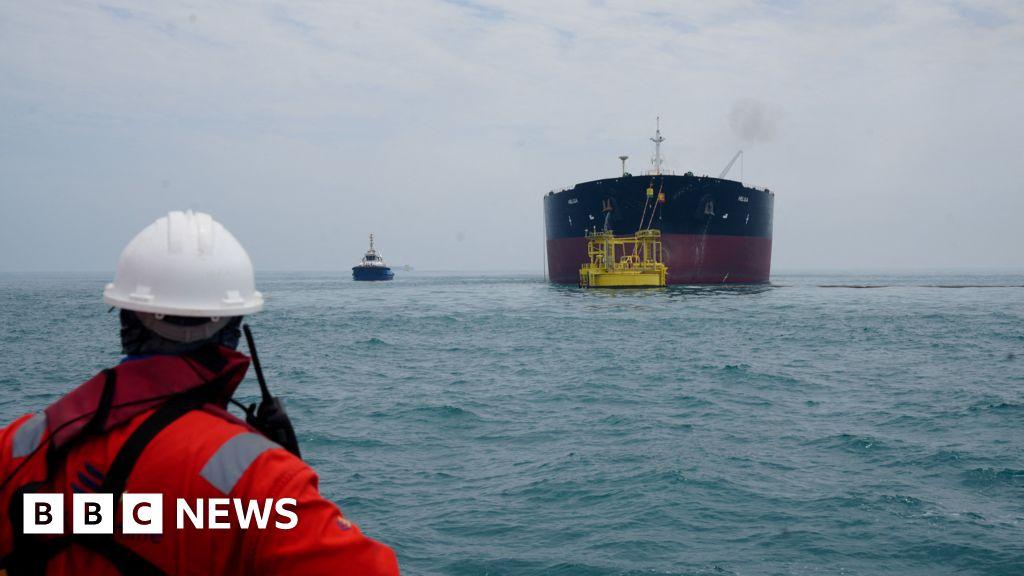
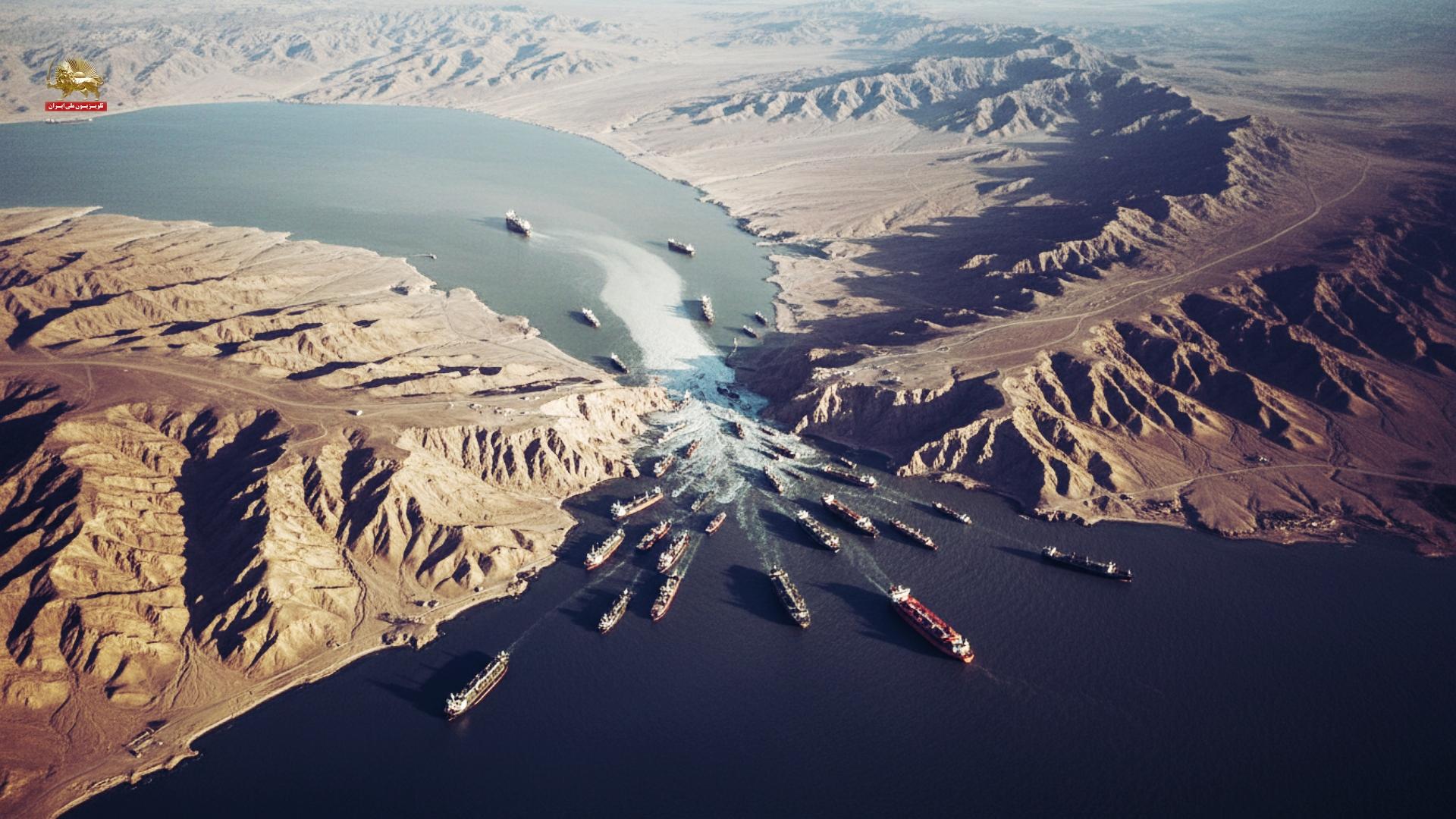
As the nuclear dispute played out, the UN began efforts to evacuate 11,000 seafarers stranded when Iran closed the Strait of Hormuz, and the initial agreement aimed to allow traffic to flow freely for 60 days.
SBS Australia said the agreement allowed traffic to flow again through the strait, which typically handles one-fifth of global energy supply, and noted that oil prices on Tuesday were at their lowest level since before the war began on February 28.
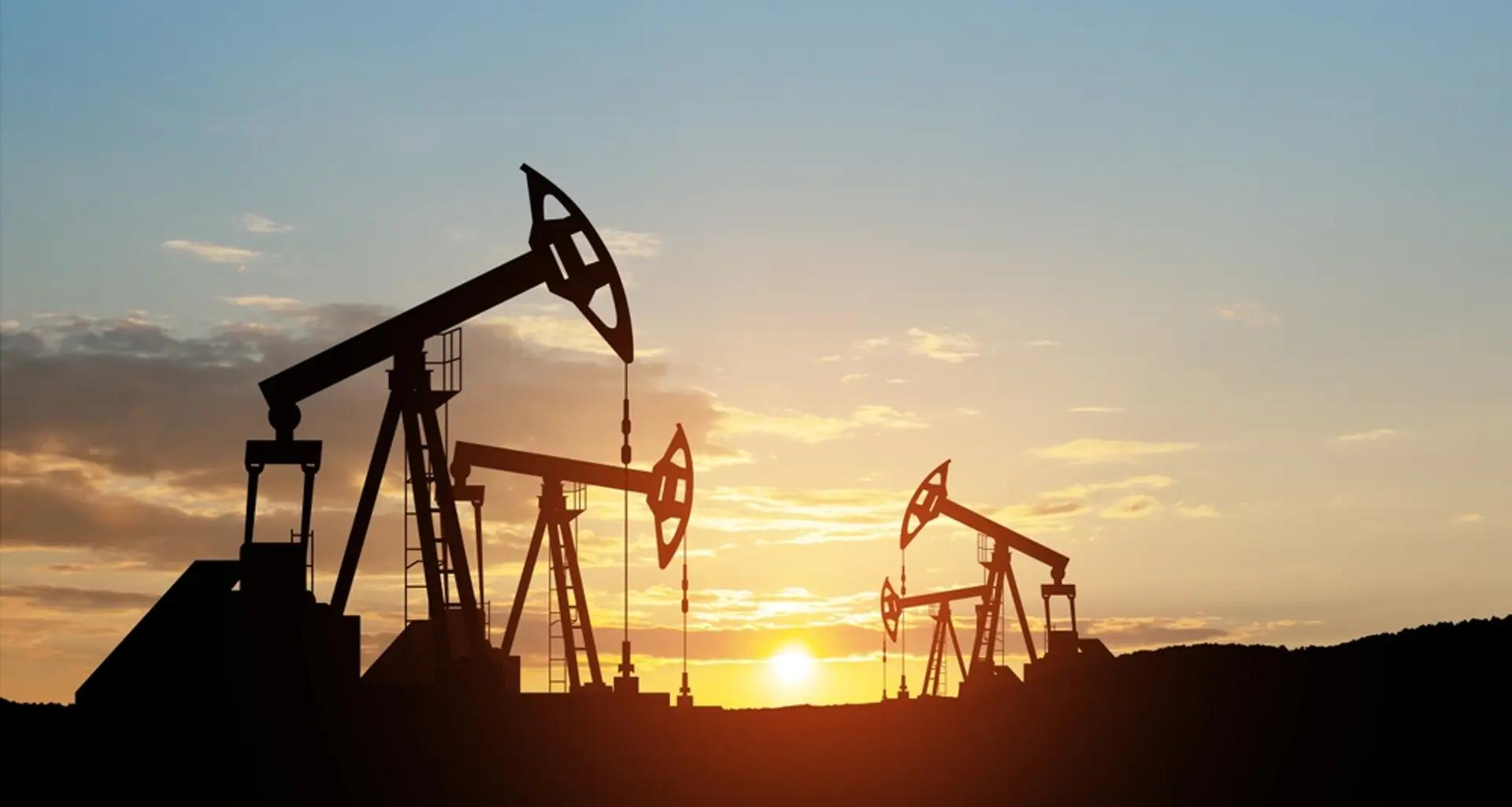
CBS News reported that Monday was the busiest day for transits of the Strait of Hormuz since the war began, with 35 commercial vessels crossing the waterway, according to data from the maritime tracking firm Kpler.
CBS News also quoted U.S. Secretary of State Marco Rubio saying, "It's an international waterway. No country is allowed to charge tolls or fees on an international waterway," as Tehran and Oman said they would study costs while insisting on their sovereignty.
Assets, Lebanon, and Stakes
The framework deal also left major issues unresolved, including how unfrozen Iranian assets would be used, with Trump saying any unfrozen assets would be used to buy food and medical supplies from the US while Iran’s ambassador to the United Nations in Geneva, Ali Bahreini, said Iran would decide how to spend that money.
“What to know about the Iran war today: - President Trump said Tuesday that Iran had "fully and completely" agreed to allow nuclear inspections, but Tehran said there were "no plans" for IAEA inspectors to return to its bombed enrichment sites”
Seoul Economic Daily said Trump told reporters, "Iran's frozen assets will be used to purchase US agricultural products such as corn and soybeans," while Abdolnaser Hemmati, governor of the Central Bank of Iran, said the signed document includes no obligation to buy US agricultural products and that Iran could purchase any goods not subject to sanctions.
SBS Australia said the deal calls for an immediate end to the war, including in Lebanon, lifting US sanctions on Iran and unfreezing Iranian assets held abroad, and it also outlined a US$300 billion ($428 billion) investment fund for the Islamic Republic's reconstruction.
NBC News warned that the uneasy ceasefire was tested when Iran said it closed the strait again over fighting between Israel and the Iran-backed militia Hezbollah in Lebanon, and it said violence broke out in Lebanon Tuesday as negotiators discussed "mechanisms" to ensure the strait remains open.
More on Iran
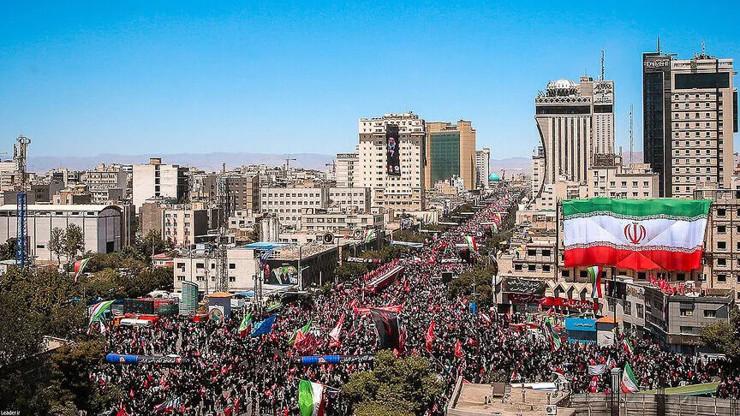
Israeli Strike Kills Ayatollah Ali Khamenei, Buried at Imam Reza Shrine in Mashhad
19 sources compared
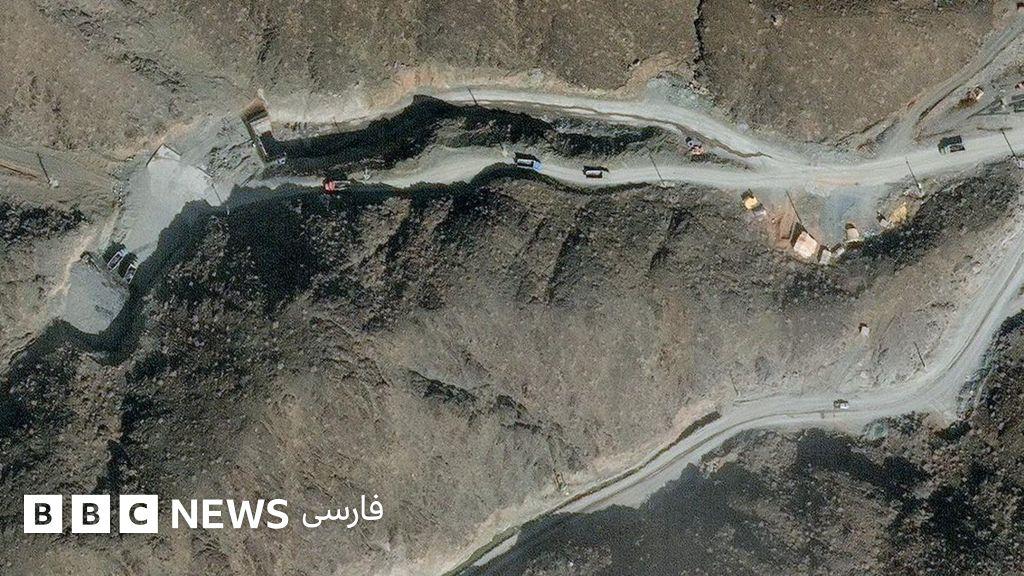
Iran Attempts To Restore Nuclear Sites Damaged In US And Israel Strikes, CNN Satellite Images Show
15 sources compared
Abbas Araghchi and Prince Faisal Bin Farhan Discuss Regional Developments After US Attacks
11 sources compared

Trump Says U.S. Agreed to Continue Iran Talks, Ceasefire Is Over
19 sources compared