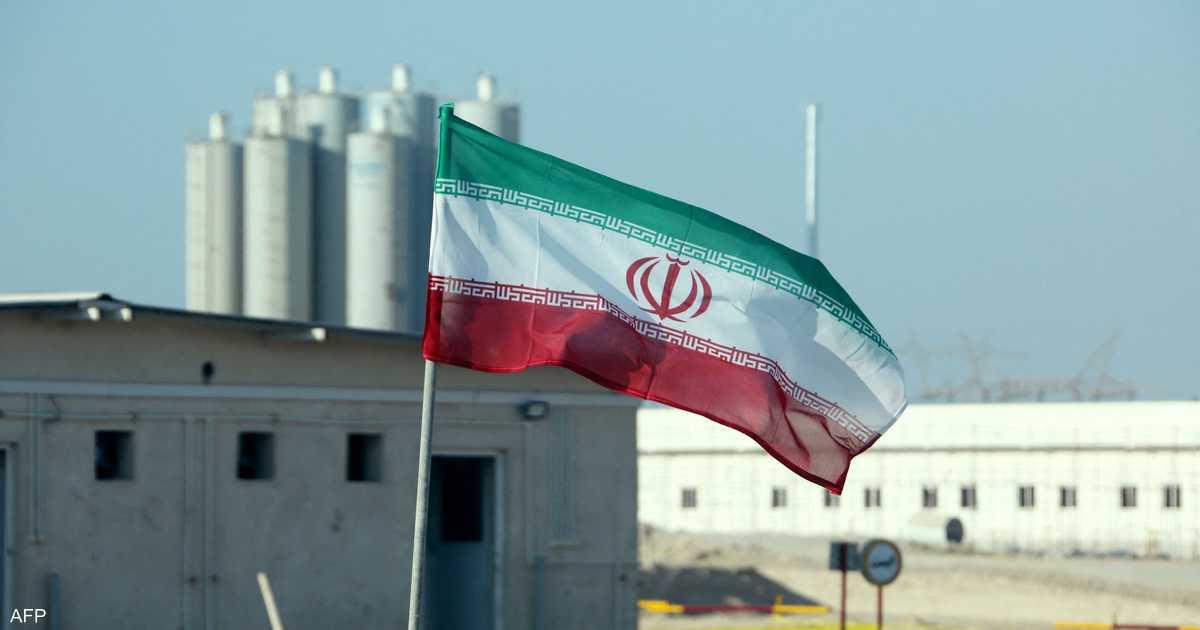
Trump Says Iran War Deal Is Very Close as U.S. Sends Thousands More Troops to Mideast
Key Takeaways
- Trump says a deal to end the Iran war is very close.
- Pentagon is deploying thousands of troops to the Middle East, including 6,000 sailors and aviators.
- House rejects resolution to withdraw U.S. forces from Iran war.
Ceasefire, talks, and troop surge
The Iran war remains in a fragile ceasefire while President Donald Trump says a deal to end the conflict is “very close” and that direct talks with Iran could resume in Pakistan “as soon as this weekend.”
“Guests President Trump on Thursday repeated his claim that a deal to end the war on Iran is “very close” and that direct talks with Iran could resume in Pakistan as soon as this weekend”
In the same period, the Pentagon is surging thousands of additional troops to the Middle East, including an additional 6,000 sailors and aviators joining the USS George H.W. Bush aircraft carrier battle group, with around 4,200 others with the Navy and Marines expected to arrive near the end of the month, according to Democracy Now!
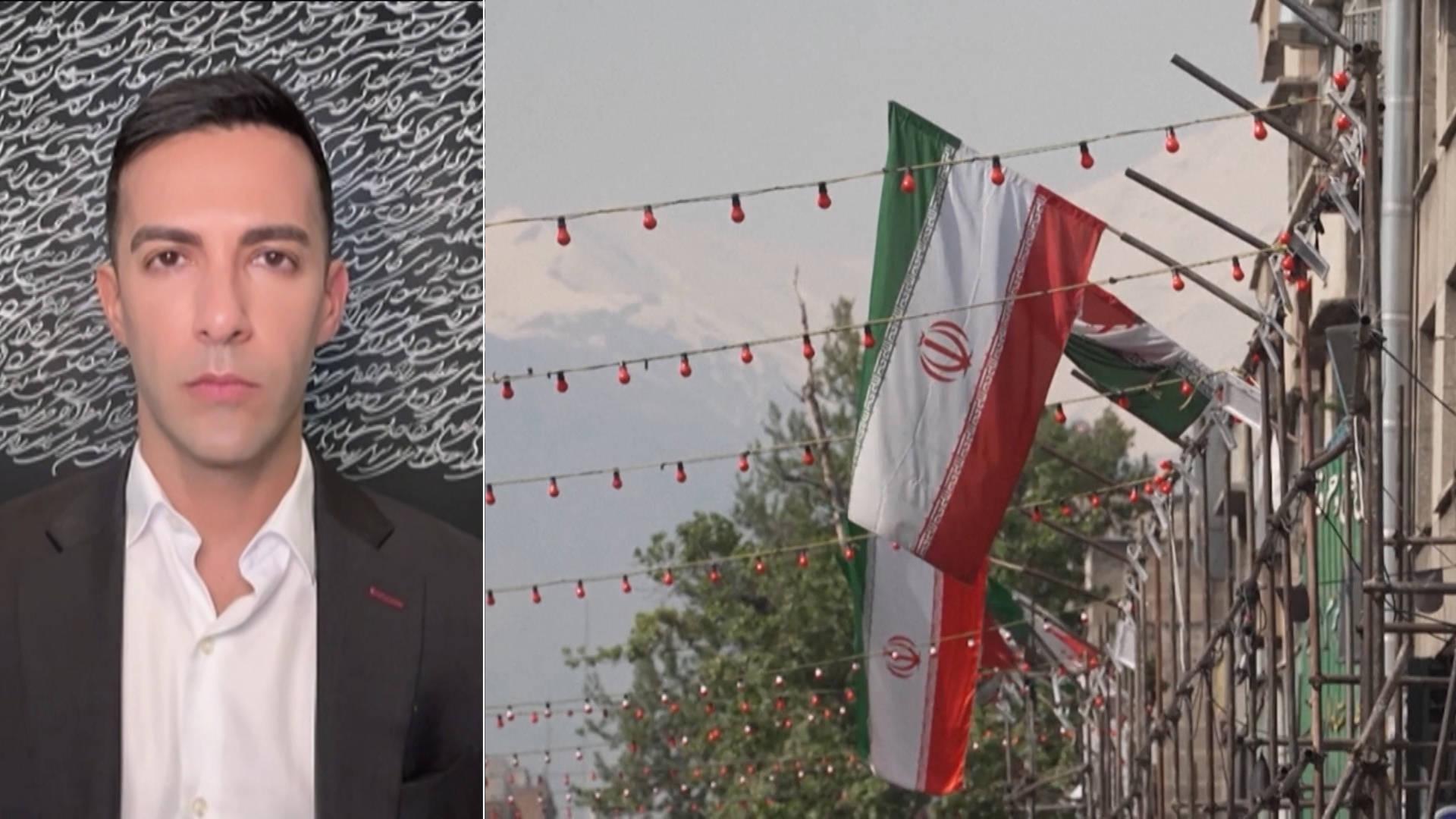
The PBS report adds that the House rejected a resolution requiring Trump to withdraw U.S. forces from the war with Iran unless Congress authorizes military action, with the vote recorded as 213-214.
PBS also says the U.S. and Israel struck Iran on Feb. 28 and that the ceasefire is now in its second week, putting the political debate on a tight timetable under the War Powers Act of 1973.
The War Powers Act framework described by PBS requires Congress to declare war or authorize use of force within 60 days, with a deadline in the Iran war arriving at the end of April and a potential 30-day extension.
In parallel, the Washington Post describes the Pentagon sending “thousands more troops” as Trump attempts to pressure Iran into a deal that could end the weeks-long conflict while considering additional strikes or ground operations if the ceasefire does not hold.
At the center of the diplomatic effort, Democracy Now! says a high-level Pakistani delegation visited Tehran on Wednesday seeking to lay groundwork for more negotiations, and it quotes an Iranian Foreign Ministry spokesperson, ESMAIL BAGHAEI, saying, “It remains to be seen to what extent the other side is truly serious about the claims they’ve made regarding diplomacy.”
Negotiating table and leverage
Democracy Now! frames the diplomatic push as an attempt to create an “off-ramp” after the U.S. entered the war with expectations that Iran would “fold and would capitulate to his terms,” but Ali Vaez, Iran project director at the International Crisis Group, says the outcome is the opposite.
Vaez tells the program that “Five weeks later, he’s nowhere closer to Iranian capitulation than was the case at the beginning of this war,” and he argues that “now the Iranians even have more leverage in the form of their control over the Strait of Hormuz.”

He adds that his understanding is that “the talks in Islamabad didn’t really go that well,” because “neither side was willing to make the necessary concessions that are required to reach a compromise,” with both sides believing they still have “the upper hand.”
Vaez says Pakistani mediators are trying to negotiate “some sort of a framework, a memorandum of understanding,” aimed at extending the ceasefire, describing the objective as “a very moderate ambition.”
Democracy Now! also emphasizes that the ceasefire has not reopened the Strait of Hormuz, calling it “the economically vital waterway for economies all over the world.”
In a separate report, Al Arabiya quotes Trump saying the Iran war is proceeding “in a 'smooth' way” and that it is “expected to end very soon,” while also saying, “We are close to achieving victory.”
The same Al Arabiya piece says Trump announced on Thursday that the U.S. and Iran are “very close to finalizing an agreement,” and it reports that he praised Pakistani Prime Minister Shehbaz Sharif and Army Chief Asim Munir for mediation efforts with Iran.
Hegseth’s threats and Iran’s response
The U.S. posture described in Democracy Now! and the Daily Beast centers on Defense Secretary Pete Hegseth’s language of readiness and intelligence, while Iranian officials and media-linked messaging are portrayed as pushing back.
“Pentagon chief Pete Hegseth has accused Iran of being “detached from reality” after it circulated an AI-generated video depicting Jesus punching Donald Trump into hell—although that image was simply based on Trump’s own post”
Democracy Now! quotes Hegseth directing comments to the Iranians during a Pentagon news briefing, saying, “We are reloading with more power than ever before and better intelligence — even more importantly, better intelligence — than ever before,” and warning, “We are locked and loaded on your critical dual-use infrastructure, on your remaining power generation and on your energy industry.”
Hegseth adds, “We’d rather not have to do it, but we’re ready to go at the command of our president and at the push of a button,” framing the threat as conditional on Iran’s actions.
The Daily Beast reports that Hegseth accused Iran of being “detached from reality” after it circulated an AI-generated video depicting Jesus punching Donald Trump into hell, and it quotes him saying, “That’s disgusting and detached from reality.”
In the same Daily Beast account, Hegseth tells reporters, “Iran says a lot of things in the propaganda space based on complete lies, and their actions have been lies,” and he urges, “Ultimately, they need to come to the table and make a deal.”
The Daily Beast also quotes Hegseth saying the U.S. was “locked and loaded” to once again attack if Iran did not agree to a peace deal, and it reports he urged Iran’s leaders to “choose wisely” while vowing that an American naval blockade of Iranian ports would continue for “as long as it takes.”
On the Iranian side, Democracy Now! includes ESMAIL BAGHAEI’s skepticism about U.S. diplomacy, saying, “It remains to be seen to what extent the other side is truly serious about the claims they’ve made regarding diplomacy.”
Congress, costs, and the April deadline
PBS describes how Congress is trying to constrain the war even as Trump’s operation retains Republican support, with Democrats warning that the U.S. is becoming “further entrenched in another lengthy conflict in the Middle East.”
The House rejected a resolution Thursday requiring Trump to withdraw U.S. forces from the war with Iran unless Congress authorizes military action, and PBS records the vote as 213-214, with Democrats “overwhelmingly” supporting the attempt to rein in military force.
New York Rep. Gregory Meeks, the ranking Democrat on the House Committee on Foreign Affairs, is quoted saying, “We’re standing at the edge of a cliff and Congress must act before the president pushes off,” and he adds, “Every day we delay, we inch closer to a conflict with no exit ramp.”
PBS also quotes Florida Rep. Brian Mast, the committee chairman, arguing that Congress never voted on a war powers resolution when the U.S. attacked Iranian-backed Houthis in Yemen in 2024 while Joe Biden was president, saying, “When Joe Biden was responding to merchant marine vessels being attacked, it was OK. No war power needed.”
Mast adds, “President Trump responds — war power, war power, war power. ... That's the hypocrisy.”
The PBS account ties the political fight to the War Powers Act of 1973, stating that a deadline in the Iran war will arrive at the end of April and that the law provides for a potential 30-day extension.
It also includes a set of costs and casualty figures raised by Democrats, including that the war has involved “the billions of dollars spent” and “the death of at least 13 service members,” alongside “the soaring gas prices” and “fissures with long-standing allies.”
Nuclear terms and money dispute
Al Arabiya and Sky News Arabia portray competing signals about what a nuclear agreement might include, with Trump emphasizing both the end goal of preventing Iran from obtaining a nuclear weapon and a refusal to pay money to Tehran.
“Home News Saudi Arabia Markets Sports Al Arabiya TV Al Arabiya Programs Technology Entertainment Articles Latest Mix Podcast Home World America The American president, Donald Trump, at a Las Vegas event on Thursday evening (reported by AP) Iran War Trump: The Iran War is expected to end very soon The American president: The war in Iran is going very well”
Al Arabiya quotes Trump saying, “We cannot allow Iran to possess a nuclear weapon,” and it reports he said the U.S. strike was necessary because “otherwise bad things could happen, very bad things,” referring to Iran’s nuclear capabilities.
The same Al Arabiya report says Trump stated that “We are close to achieving victory,” and it adds that he said the U.S. and Iran “agreed to that completely” and “agreed to almost everything,” while also saying that if Iran “agree to sit again at the negotiating table, there will be a difference.”
Al Arabiya also reports that Trump said Iran agreed to hand over its stockpile of enriched uranium, explaining, “They agreed to return the nuclear dust to us,” using the expression to refer to the stockpile of enriched uranium that the United States says could be used to manufacture nuclear weapons.
Sky News Arabia reports Trump reiterated on Friday that Iran “will not receive any money under any agreement concerning its nuclear program,” after Axios reported a proposal under consideration that would grant Tehran roughly $20 billion in exchange for relinquishing its stockpile of enriched uranium.
Sky News Arabia quotes Trump on Truth Social: “The United States will receive all the nuclear dust caused by our great B-2 bombers. The ownership of the funds will not change in any way or form.”
It also says the negotiations focus on the fate of Iran’s stockpile of enriched uranium, estimated at about 2,000 kilograms, including roughly 450 kilograms enriched to 60%, and it reports that Trump said Iran, with the United States' help, has removed or is removing all naval mines in the Strait of Hormuz.
More on Iran
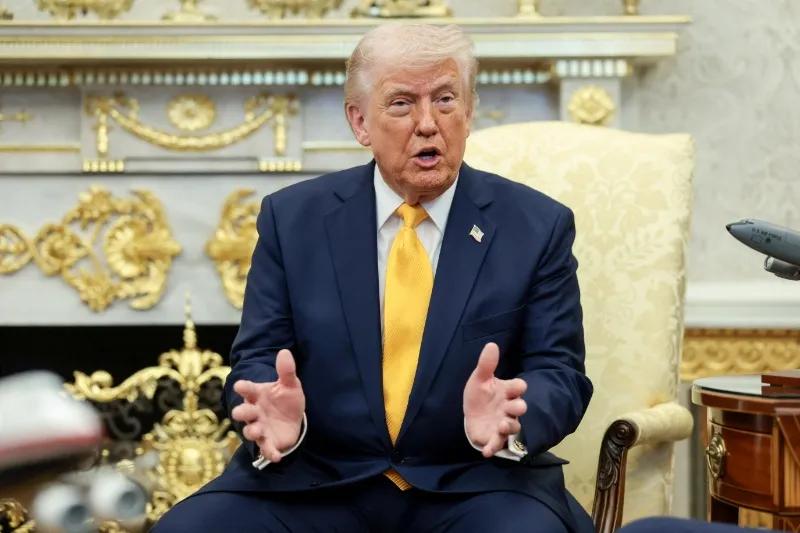
Iran’s Abbas Araghchi Declares Strait of Hormuz Completely Open as Trump Keeps U.S. Blockade
38 sources compared
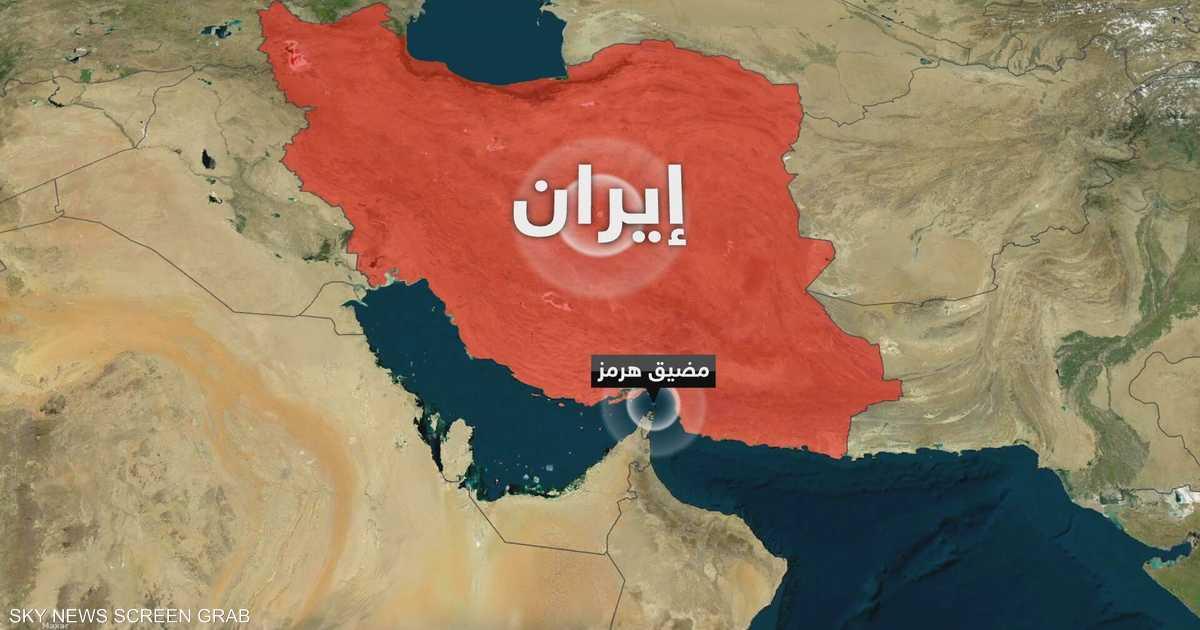
Iran Declares Strait Of Hormuz Completely Open; Trump Says U.S. Blockade Remains Active
56 sources compared
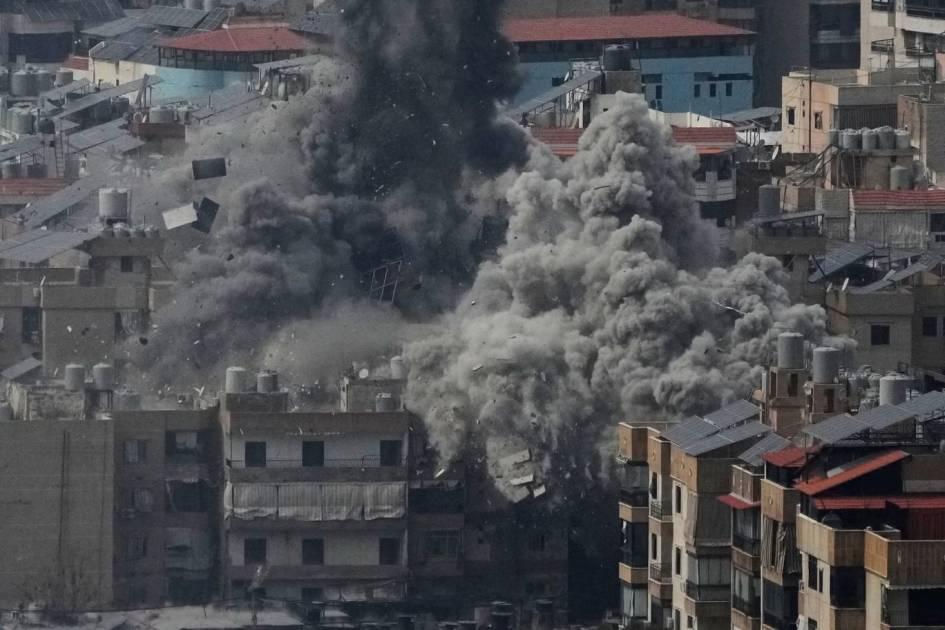
White House And Iran Trade AI Memes In Online War Over Trump And Jesus
11 sources compared
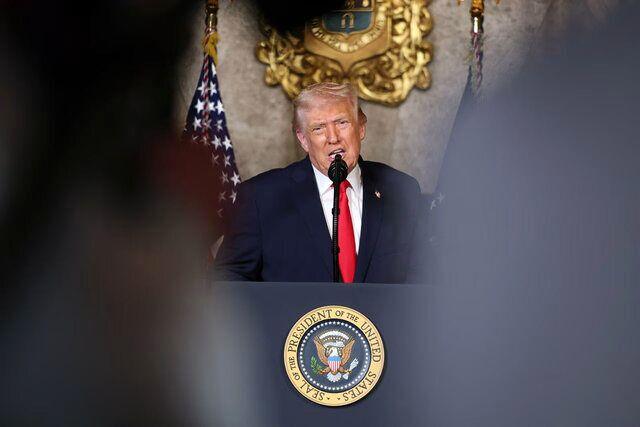
Trump Tells Las Vegas Supporters Iran War Should End Pretty Soon
21 sources compared