
Trump Says U.S. Agreed to Continue Iran Talks, Ceasefire Is Over
Key Takeaways
- Iran requested continued talks; the United States agreed to resume negotiations.
- The ceasefire with Iran is over.
- Mediators are seeking to revive talks as hostilities continue.
Ceasefire declared over
U.S. President Donald Trump said on Friday that Iran asked to continue talks and that the United States agreed, but he also reiterated that the ceasefire with Iran was "over" after less than three weeks.
The BBC reported that Trump stressed the ceasefire with the Islamic Republic has ended, writing on his Truth Social platform that Iran asked to resume negotiations and that the United States had informed them clearly that the ceasefire is over.

In the same BBC account, Iran’s secretary of Iran’s Supreme National Security Council Mohammad Bagher Zolghadr warned of retaliation for any attack on Iran’s infrastructure, saying Israel would not be spared.
The BBC also reported that Iran’s lead negotiator Mohammad Bagher Ghalibaf said the confrontation with the United States will not end with Iran’s surrender, emphasizing that the Islamic Republic will defend itself against every American violation of the memorandum of understanding to end the war in the Middle East.
Reuters and Tasnim News Agency were cited by the BBC as saying Qatari negotiators were to meet Iranian officials to ease tensions and pave the way for broader negotiations, with the visit aiming to enhance Qatar’s role as mediator after events on Tuesday and Thursday.
Mediators and demands
CBS News reported that Iranian officials privately told Trump advisers that they made a mistake in shooting at commercial ships in the Strait of Hormuz earlier this week, and that the attacks stemmed from an "errant" sect of hardliners trying to undermine negotiations.
CBS News also said the White House wants the regime to publicly acknowledge its mistake, and it quoted a U.S. official saying, "They came back to the table and said, 'We screwed up. We made a mistake. Let's keep talking,'".

CNN reported that if Iran won’t allow tankers to freely traverse the Strait of Hormuz then the two sides will "never" move on to negotiations on nuclear weapons, quoting a senior U.S. official.
CNN added that Iran’s top negotiator Mohammad Bagher Ghalibaf said, "We are distrustful of the Americans," and warned that Iran would continue to prepare to defend itself even after signing the memorandum of understanding.
The BBC reported that Egyptian Foreign Ministry Minister Badr Abdel Atty and his Qatari counterpart Sheikh Mohammed bin Abdulrahman Al Thani urged the United States and Iran to return to the negotiating table within the framework of the memorandum of understanding signed in June.
What’s at stake next
The Hill reported that the end of the ceasefire, in place since June 17, came as Iran and the U.S. exchanged strikes over accused violations of the agreement, including striking 90 targets inside Iran on Wednesday evening.
“Trump agrees to continue talks with Iran, and Tehran pledges to strike Israel in retaliation for any attack on its infrastructure”
The Hill said the memorandum of understanding was aimed at reopening the Strait of Hormuz and lifting the U.S. naval blockade on the critical maritime corridor through which 20 percent of the world’s oil supply flows, and it described disputes over navigation in the strait as part of the escalation.
The BBC reported that the United States said it had targeted 90 military sites, while Iran said 14 people were killed in the past two days, and the Iranian Health Ministry announced 14 dead and 78 others injured across five provinces.
In the BBC account, Iran said it targeted American assets in Kuwait, Bahrain, and Qatar in retaliation for the American attacks, and later on Thursday state-linked media reported that Tehran carried out additional strikes targeting sites in Kuwait, Jordan, and Iraq.
NBC News reported that talks in Iran aim to address the implementation of the U.S.-Iran memorandum of understanding and the issues that triggered the recent escalation, including disputes over navigation in the strait of Hormuz, while Reuters was cited as saying Qatari negotiators were meeting officials in Iran to seek to de-escalate tensions and discuss navigation.
More on Iran
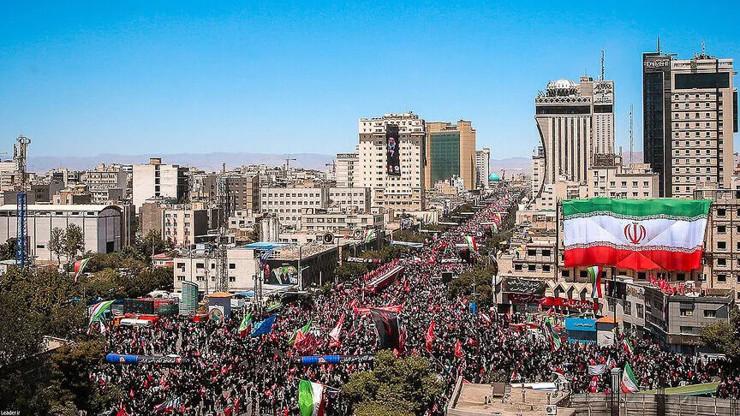
Israeli Strike Kills Ayatollah Ali Khamenei, Buried at Imam Reza Shrine in Mashhad
19 sources compared
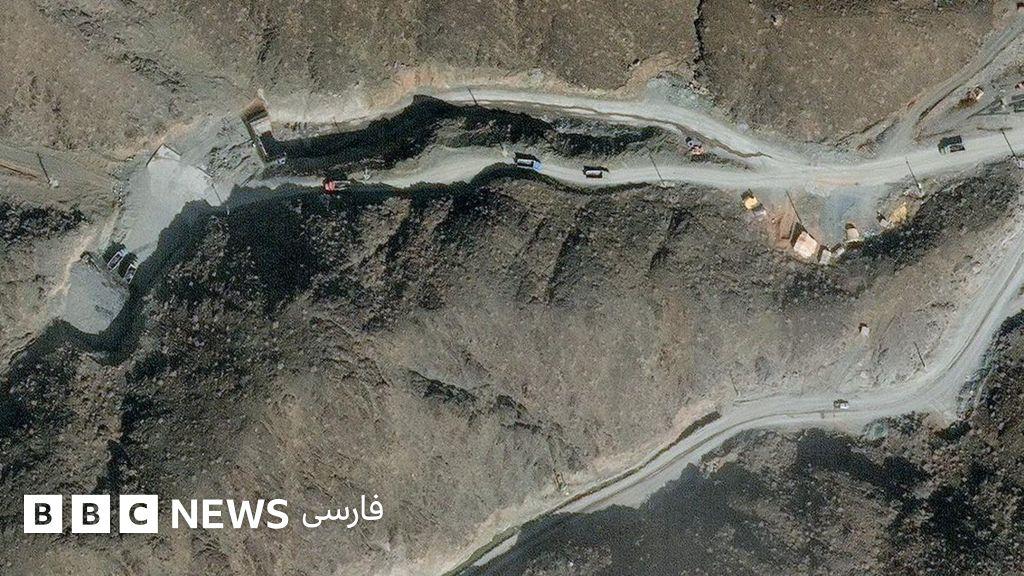
Iran Attempts To Restore Nuclear Sites Damaged In US And Israel Strikes, CNN Satellite Images Show
15 sources compared
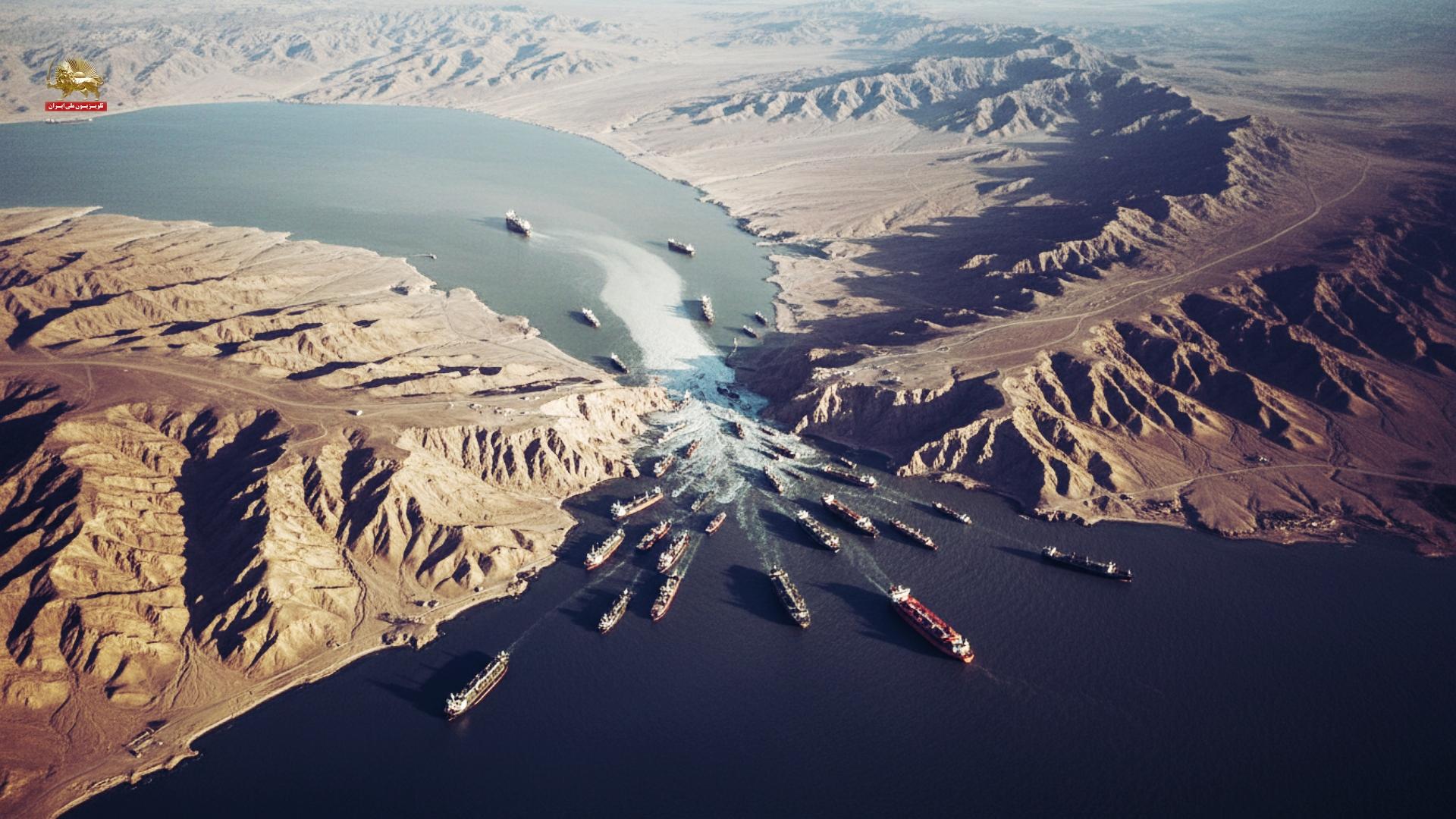
Abbas Araghchi and Prince Faisal Bin Farhan Discuss Regional Developments After US Attacks
11 sources compared
U.S. Strikes Iran After Trump Says Ceasefire Is Over, Iran Hits U.S. Allies
22 sources compared