
Trump Says U.S.-Iran Ceasefire Is Over, Orders More Strikes After Strait of Hormuz Attacks
Key Takeaways
- Trump declares ceasefire with Iran over, pledges renewed strikes.
- Iran attacked three commercial ships in the Strait of Hormuz.
- U.S. conducts further strikes on Iran to degrade its ability to threaten Hormuz navigation.
Ceasefire declared over
President Donald Trump said the U.S.-Iran ceasefire is "over" during a NATO summit in Turkey, adding "As far as I'm concerned, it's just a waste of time dealing with them."
“United States President Donald Trump says the ceasefire with Iran is “over”, describing Iranian leaders as “sick people” after Iran and the US exchanged military attacks”
The U.S. launched a new round of strikes against Iran on July 7 and carried out additional strikes on July 8, with U.S. Central Command saying it was retaliating to "further degrade their ability to threaten freedom of navigation in the Strait of Hormuz."

Iran responded by targeting U.S. military sites in Bahrain and Kuwait, after the U.S. revoked a license for Iran to sell oil in retaliation for attacks on ships in the strait.
The memorandum of understanding signed last month to end the war began to falter after hostilities flared again around the Strait of Hormuz, and the U.S. and Iranian officials had signed the preliminary peace agreement last month to end a war that began on Feb. 28.
Trump also said the U.S. might escalate further, warning "If we have to, we'll take them out," while the U.S. military response continued amid uncertainty about whether negotiations would proceed.
Retaliation and competing lines
Vice President JD Vance said the U.S. would respond militarily if Iran tried to close the Strait of Hormuz, saying "if they shoot at ships, we're going to knock the hell out of them."
Iran’s Foreign Minister Abbas Araghchi rejected responding to insults with force, saying the Islamic Republic will not respond to "vulgarity with vulgarity," and added "We do not answer vulgarity with vulgarity, but with action: fearlessly and with great valor."
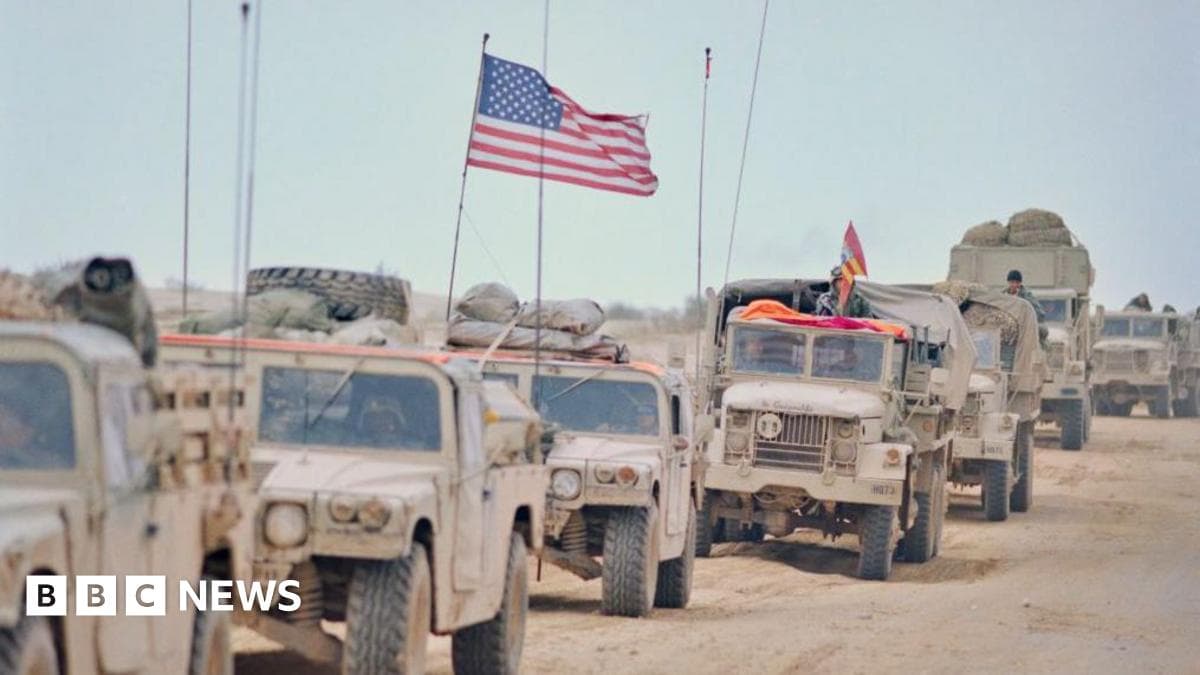
NBC News reported U.S. Central Command announced another round of strikes, and CENTCOM said the U.S. was holding Iran accountable for "recent unjustified aggression against commercial shipping and civilian crews freely navigating a vital international waterway."
The BBC described Trump’s remarks as a mix of threats and an acceptance that talks will continue, quoting Trump saying "I don't care, they can talk. But I think they're wasting their time."
As the rhetoric hardened, Al Jazeera reported Trump said the ceasefire was "over" and that he would let U.S. negotiators keep talking, while also saying "I don't see it" as a deal.
Talks, markets, and next risks
The conflict around the Strait of Hormuz and the escalating U.S. response unsettled markets, with USA Today reporting major stock indexes dipped and Brent crude rose 6% to $74.50 as the ceasefire status deteriorated.
“- Published Donald Trump's latest pronouncements on Iran and the chances of a negotiated agreement have to be taken seriously, as he is after all the president of the United States”
Al Jazeera said the memorandum of understanding served as a launch point for 60 days of talks on issues including the future of Iran’s nuclear programme and the future administration of the Strait of Hormuz, while also noting the MoU had been signed about three weeks earlier.
CBS News reported oil prices soared after Trump said the ceasefire was "over," with Brent crude jumping almost 8% to trade over $80 a barrel and West Texas Intermediate up over 7% at $75 a barrel.
NBC News said Trump capped the NATO summit in Ankara, Turkey, by warning the U.S. might launch more attacks and reimposing its naval blockade, while also describing "TALKS IN DOUBT" as Trump characterized further negotiations as "a waste of time."
The BBC warned that the negotiating process is fragile, quoting a mediator source describing what happened as "a setback for sure," while also tying the dispute to Iran’s determination not to return to the way things were before the war began on 28 February.
More on Iran
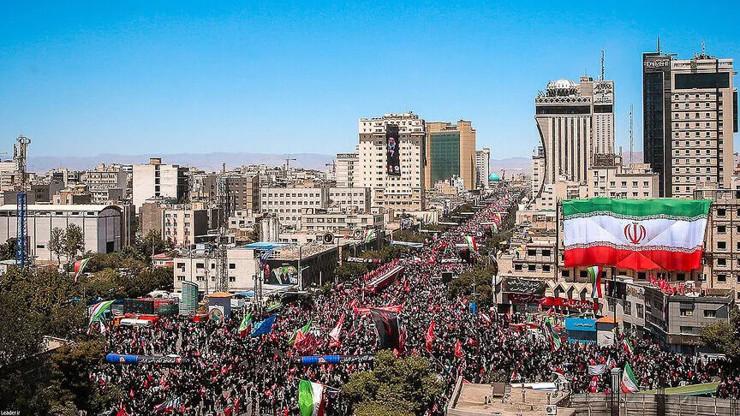
Israeli Strike Kills Ayatollah Ali Khamenei, Buried at Imam Reza Shrine in Mashhad
19 sources compared
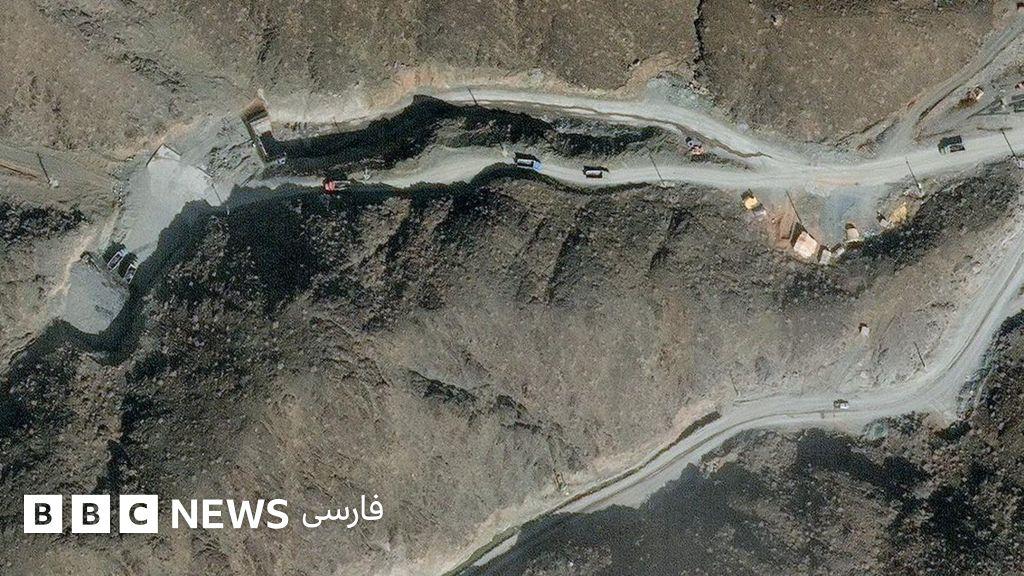
Iran Attempts To Restore Nuclear Sites Damaged In US And Israel Strikes, CNN Satellite Images Show
15 sources compared
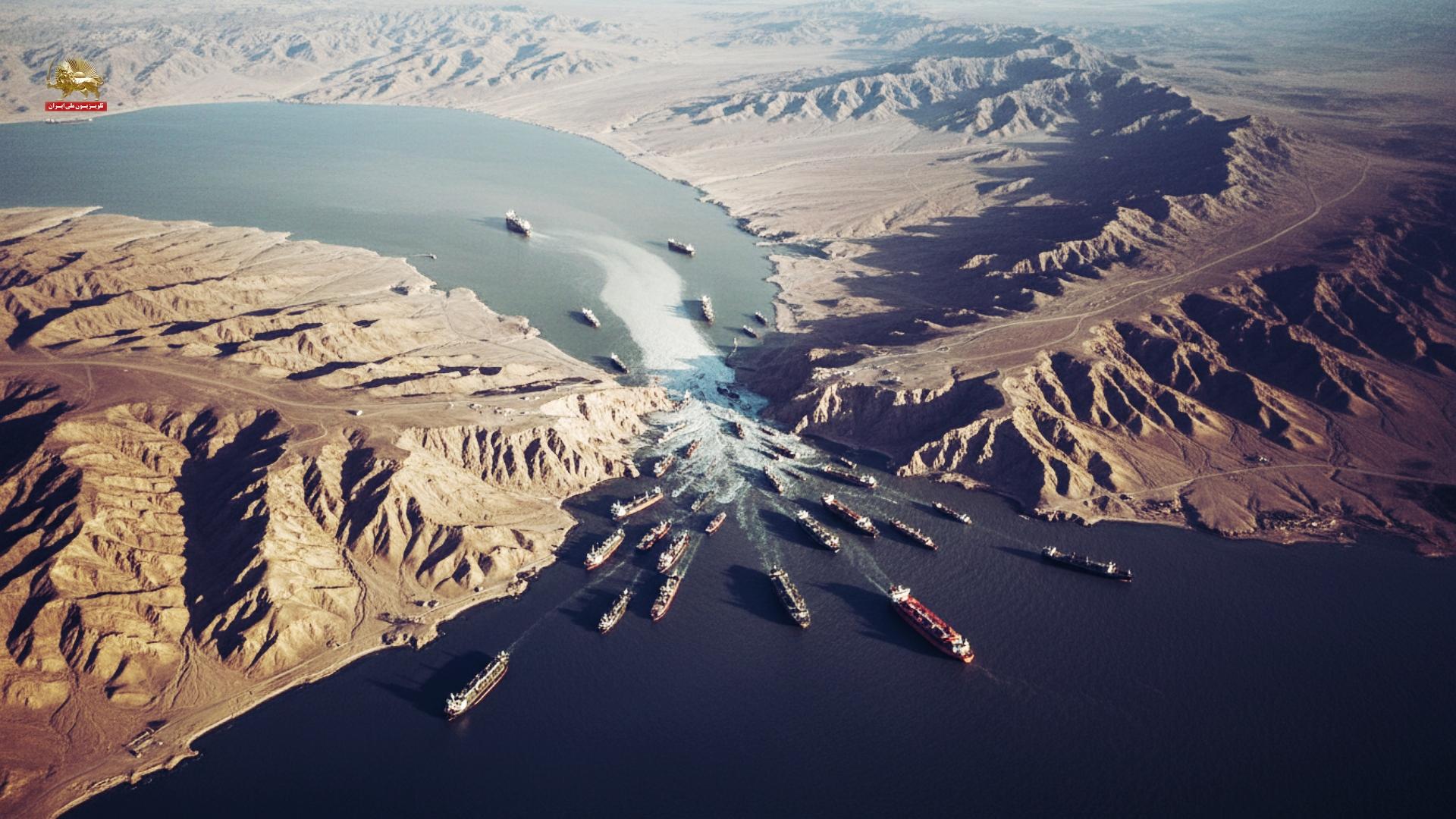
Abbas Araghchi and Prince Faisal Bin Farhan Discuss Regional Developments After US Attacks
11 sources compared

Trump Says U.S. Agreed to Continue Iran Talks, Ceasefire Is Over
19 sources compared