USA17 July, 20263 min read
Trump Says Washington Will Discuss China’s 2020 Election Meddling With Beijing
This article is an automated aggregation of coverage from news outlets. Our editorials offer in-depth analysis curated by the NewsCord team.
Trump says the U.S. will discuss alleged 2020 election interference with China. China denies interference and calls Trump's accusations baseless or pure inventions.
Trump softens retaliation talk
President Donald Trump on Tuesday said Washington would discuss alleged 2020 election interference with Beijing while downplaying the prospect of retaliation, telling reporters, "We're going to talk to them about it," and adding that the alleged interference "took place a long time ago." Trump said the relationship was not one-way, telling reporters, "They do things to us and we do things to them," and suggesting China might be "a little bit different today than it was then." The remarks came after Trump accused China in a televised address of carrying out what he described as the "largest compromise of election data in history," alleging Beijing had illicitly obtained over 200 million US voter records.
The South China Morning Post said people familiar with the planning told it that the meeting between Rubio and Yi is expected to take place on Wednesday in the Philippines’ capital on the sidelines of meetings involving the Association of Southeast Asian Nations. The Hill reported Trump played down his own claims on Tuesday, telling reporters "it’s not a one-way street" during a meeting with Lebanese President Joseph Aoun.

Equivalence and competing reactions
In the Oval Office during a meeting with Lebanese President Joseph Aoun, Trump said, "But look, they do things and we do things to them, I’ll be honest, we do things to them, too," while also saying, "It’s not a one-way street."
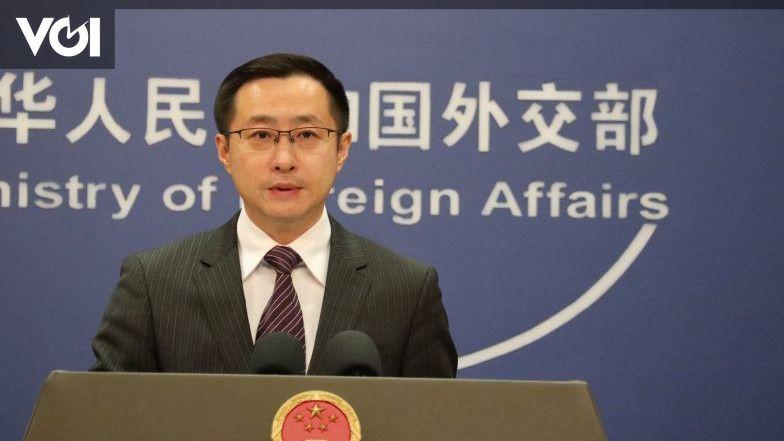
The Hill quoted China’s Foreign Ministry spokesperson Lin Jian saying last week, "The relevant allegations by the U.S. are entirely fabricated and aimed at vilifying China," and adding, "We have no interest in interfering in US elections and have never done so."

Newsweek reported Trump appeared to downplay retaliatory action after the administration’s announcement alleging Chinese interference in the 2020 U.S. presidential election, with Trump telling reporters, "Well, we'll talk to them about it. It took place a long time ago."
CNN en Español said five days after Trump accused China of "the largest data leak in electoral history," he did not outline any sanctions and said the alleged violation was already in the past.
The Washington Post said Trump told reporters the issue "took place a long time ago" and that "we do things to them, too" when asked whether he planned to put pressure on Chinese authorities.
Election security stakes ahead
Trump’s Tuesday comments contrasted with his July 16 address, in which he unveiled declassified documents and alleged China acquired roughly 220 million U.S. voter records during and after the 2020 election cycle, including voter registration information and other election-related data. USA TODAY said Trump’s July 16 speech accused China of stealing 220 million voter files from states across the country and also alleged China tried to influence the results of the 2018 midterm elections. The Hill said Trump accused China of election interference during a prime-time address that also amplified unfounded claims of widespread voter fraud, while China denied interfering in past U.S. elections.
CNN en Español reported that a day after Trump’s speech, a White House official said preparations for Xi Jinping’s state visit to the United States in September were moving along well, and the White House did not respond when asked whether Trump was considering repercussions for China. South China Morning Post said the Rubio-Wang talks are expected to take place on Wednesday in the Philippines’ capital, placing the election-data dispute alongside planned high-level diplomacy.