China27 October, 20253 min read
Trump Secures Rare Earth Deals in Southeast Asia to Counter China’s Export Restrictions
Trump signed rare earth and critical mineral supply agreements with Malaysia and Thailand. The US aims to reduce dependence on China amid Beijing’s tightened rare earth export controls.

14 outlets told this the same way.
US Secures Rare Earth Supplies
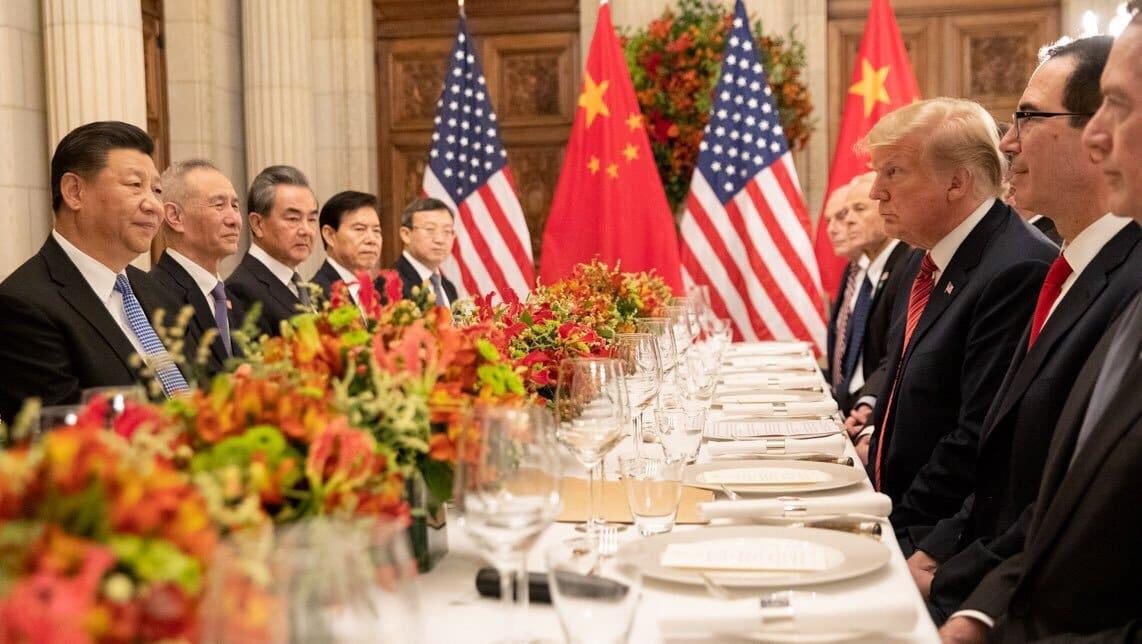
On a Southeast Asia tour, Donald Trump moved to secure critical minerals and rare earth supplies by signing agreements with Malaysia and Thailand. This effort was framed as countering China’s tightening export controls and longstanding dominance in rare earths. Asia Financial reports that Trump signed deals to secure access to critical minerals and rare earth elements.
“During a visit to Southeast Asia, President Donald Trump signed deals with Malaysia and Thailand to secure access to critical minerals and rare earth elements.”
South China Morning Post notes the goal is to reduce US reliance on China, which currently dominates about 70% of global rare earth mining and 90% of processing. Firstpost adds that Trump inked memoranda with Malaysia and Thailand and also pursued arrangements with Cambodia and Vietnam amid U.S.-China trade tensions.
CNBC situates the moves within a broader Asia swing that included multiple trade and mineral agreements signed in Malaysia and Cambodia, along with trade frameworks with Thailand and Vietnam, emphasizing cooperation on export controls. Discovery Alert sets the global context, saying the US has secured critical mineral agreements with Southeast Asian nations to diversify supply sources, alongside talks with China to pause rare earth tariffs.
Malaysia-US Trade and Cooperation
Malaysia’s package pairs market-access assurances with industrial cooperation. Asia Financial reports Malaysia agreed not to impose export bans or quotas on rare earths to the US and will work with American companies to develop its rare earth sector, despite lacking mining and processing technology. Firstpost adds trade elements: Malaysia will maintain U.S. tariffs at 19% but provide exemptions, plans purchases including 30 Boeing aircraft and $150 billion worth of equipment, and a $70 billion investment in the U.S. over the next decade, while semiconductor export issues remain unresolved.
South China Morning Post cautions that even with such commitments, processing capacity and industry support will take time before significant volumes reach US buyers. CNBC underscores that these arrangements emphasize cooperation over binding commitments, signaling incremental progress rather than sweeping, enforceable deals.

Thailand-US Critical Minerals Deal
Thailand’s accord is broader in scope, spanning exploration through recycling, with planned US investments to bolster processing. Asia Financial details a deal covering exploration, extraction, processing, refining, and recycling of critical minerals, while noting it drew domestic criticism, including concerns over national resources and tensions with China. Firstpost corroborates the US push for critical-mineral cooperation with Thailand via memoranda.
“Thailand signed a broader agreement covering exploration, extraction, processing, refining, and recycling of critical minerals, with planned US investments to boost its processing industries.”
South China Morning Post adds that moving from agreements to meaningful supply will take time. Logistics Viewpoints cautions that Southeast Asian processing capacity is three to five years away from commercial scale, meaning short-term relief does not equal independence.
Regional Trade and Mineral Deals
Beyond Malaysia and Thailand, Firstpost reports parallel arrangements in the region. Cambodia’s deal maintains tariffs but offers exemptions and supports U.S. investment in critical minerals and energy. Vietnam agreed to reduce U.S. tariffs to 20% from a potential 46%, grant preferential access, and purchase 50 Boeing aircraft worth $8 billion plus over $2.9 billion in U.S. farm goods.
CNBC corroborates the broader regional scope by noting agreements in Malaysia and Cambodia and frameworks with Thailand and Vietnam. TRT World places these economic steps within a diplomatic moment, saying Trump left Malaysia after signing major trade and critical minerals agreements while witnessing a Cambodia-Thailand peace accord. South China Morning Post centers the rare-earth rationale—reducing reliance on China’s dominant mining and processing—providing the strategic backdrop for these moves.

Global Supply Chain Challenges
Strategically, the deals diversify risk but stop short of full independence from China’s supply. Logistics Viewpoints stresses diversification is a strategic hedge rather than decoupling. New hubs could offer short-term relief yet do not grant full supply independence.
“The US federal government shutdown continues with no resolution as President Donald Trump tours Asia for diplomatic meetings.”
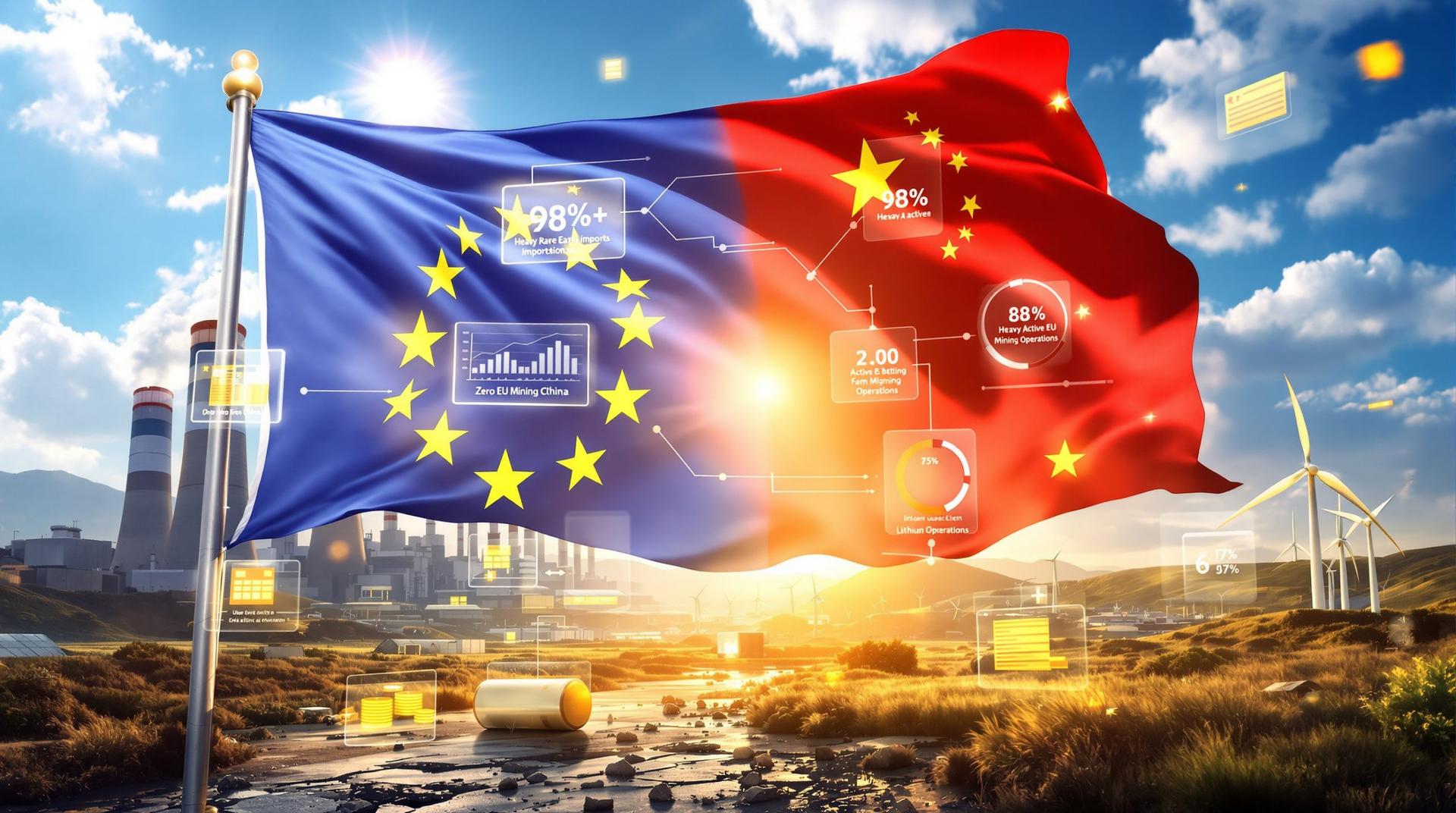
Commercial-scale processing is 3-5 years away. South China Morning Post similarly says significant volumes will take time. Discovery Alert widens the lens to Europe, where new Chinese export controls (2024–2025) are causing cost hikes and delays.
These challenges have prompted the EU’s RESourceEU response. Le Monde underscores Europe’s alarm over tightened export controls and signals possible retaliation using the EU’s anti-coercion instrument.
Meanwhile, CNN chronicles how Trump’s Asia tour coincided with a US government shutdown threatening SNAP benefits for 42 million. This highlights a stark contrast in domestic versus foreign priorities during the trip.