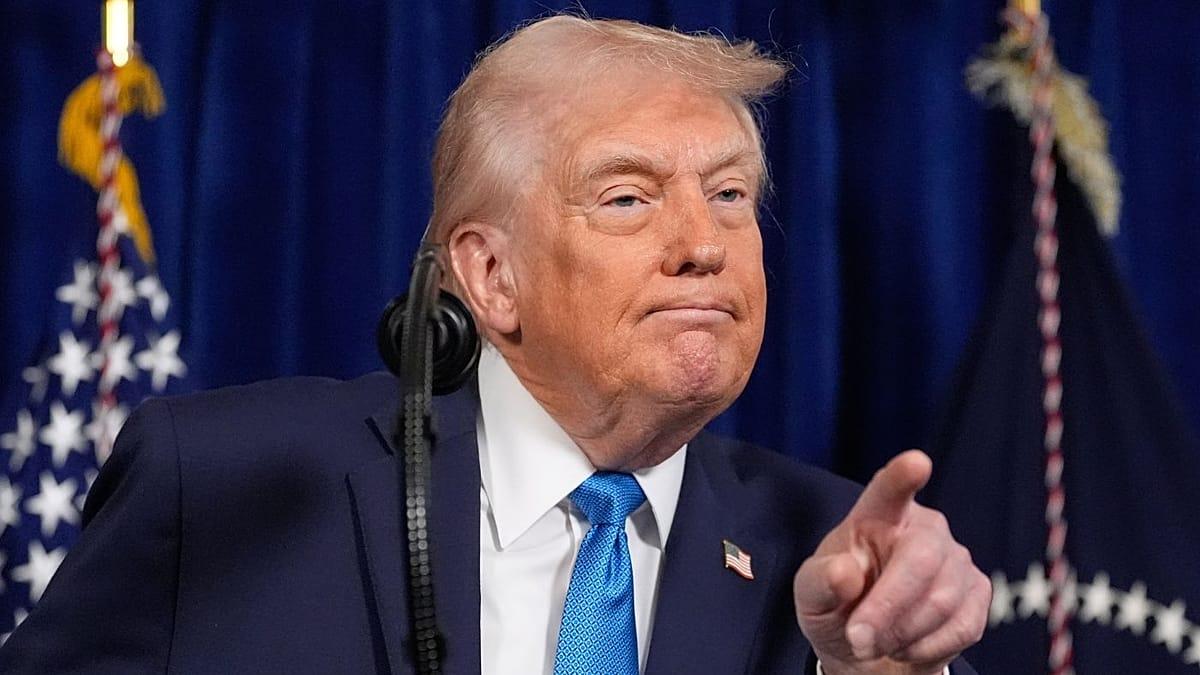
Trump Sets Deadlines for Iran to Open Strait of Hormuz, Warns of No Power Plants
Key Takeaways
- US optimistic about Iran deal while increasing economic pressure
- Second round of Iran-US negotiations anticipated; talks could resume soon
- US naval blockade of Iranian ports amid ongoing peace talks
Deadlines and delayed wrath
CNN frames the Iran crisis through a running pattern of deadlines set by President Donald Trump and then extended, describing what it calls “bluffs” on a “catastrophic error in judgment.”
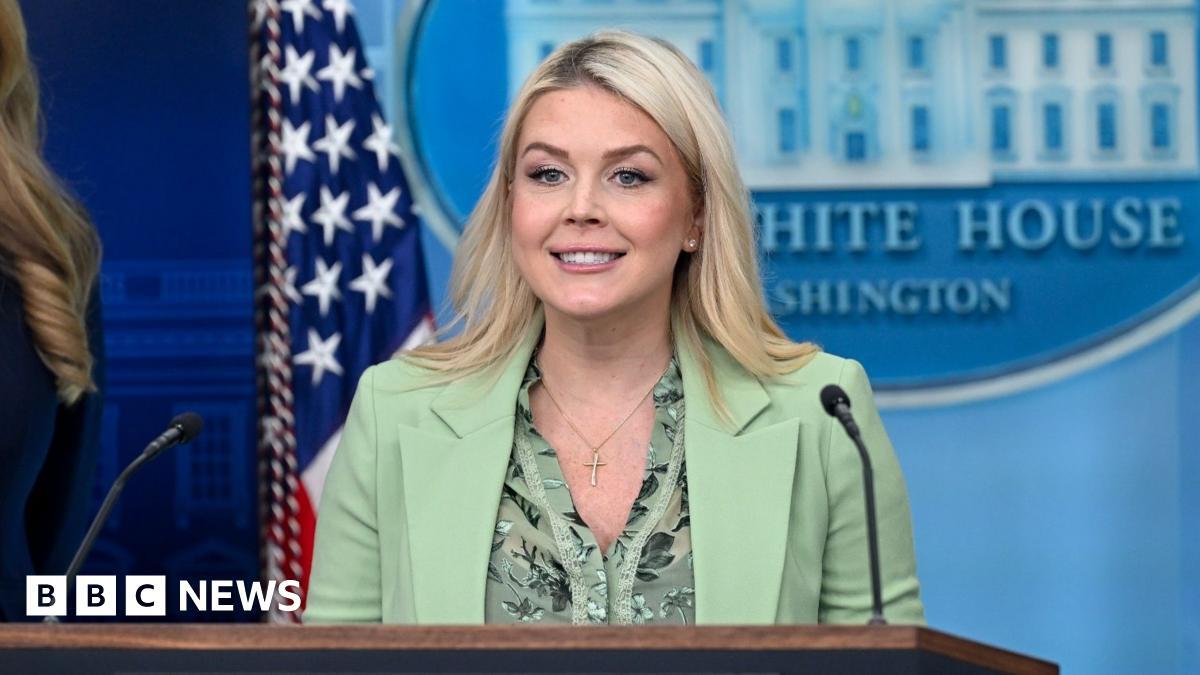
On March 4—“On the fifth day of the Iran war”—CNN says White House press secretary Karoline Leavitt told America’s enemies, “The terrorists made a bet that President Trump would be like many of his predecessors — that he would just talk, and he would refuse to enforce his clear red lines,” and added, “President Trump does not bluff.”

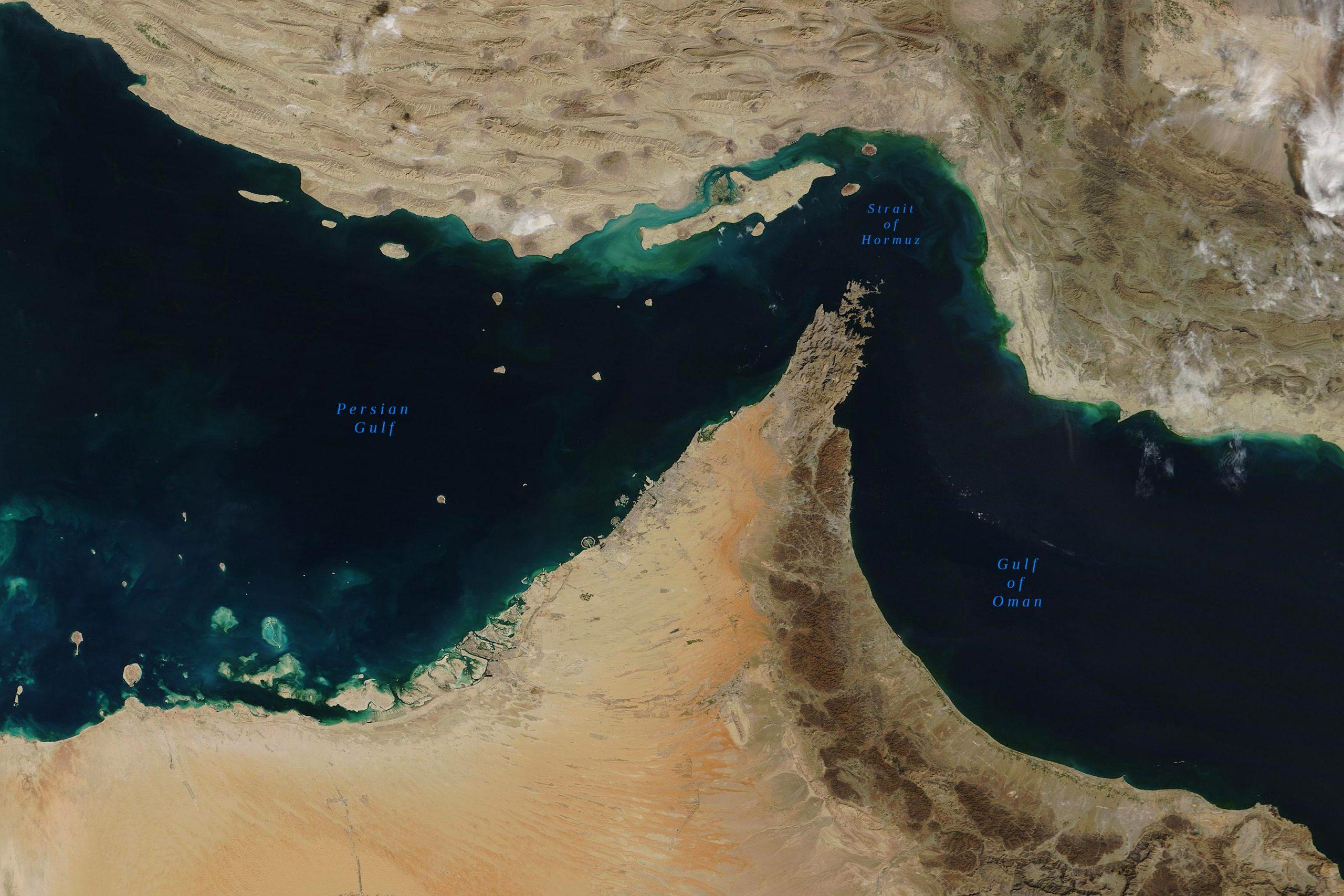
CNN then lays out a sequence of dates and demands, starting with a March 21 deadline that CNN says Trump set for March 23, when he said Iran had to “FULLY OPEN, WITHOUT THREAT, the Strait of Hormuz, within 48 HOURS.”
CNN says that when the March 23 deadline passed without the Strait reopening, Trump announced a five-day delay to March 28, citing “VERY GOOD AND PRODUCTIVE CONVERSATIONS” and describing the new deadline as “SUBJECT TO THE SUCCESS OF THE ONGOING MEETINGS AND DISCUSSIONS.”
CNN continues the timeline by saying Trump set another deadline on March 26 for April 6, then re-upped it on April 4 with “48 hours before all Hell will reign down on them.”
CNN adds that on April 6 Trump gave Iran “another day” by citing Easter, saying, “I thought it was inappropriate the day after Easter,” and warning, “they’re going to have no bridges, they’re going to have no power plants.”
Blockade, paratroopers, and talks
A separate thread in the reporting centers on U.S. military posture and the simultaneous messaging around negotiations.
The Iran-focused outlet ایران اینترنشنال says that on Sunday, April 12, after “the failure of talks in Islamabad,” U.S. President Donald Trump announced that the U.S. Navy would begin “immediately” imposing a blockade on the Strait of Hormuz and that “NATO would participate in the operation.”
It adds that U.S. Central Command (CENTCOM) said the naval blockade and prevention of movement of ships to and from Iranian ports would begin at “17:30 (Tehran time) on Monday, April 13.”
In the same account, Iran’s response is quoted through the spokesperson for the Central Headquarters of the “Seal of the Prophets,” Ibrahim Dhu al-Faqari, who said, “Port security in the Gulf waters and the Gulf of Oman is either for everyone or for no one,” and warned, “And if Iran's port security is threatened, no port in the region will be safe.”
The outlet also quotes Trump describing the blockade as “a comprehensive blockade at a higher level than the Venezuela blockade,” and says he stressed he would not permit Iran to earn any revenue from oil sales.
Sky News عربية, citing Axios, reports that mediators told the United States that they had been “duped twice by U.S. President Donald Trump,” and that American and Israeli officials said Trump was trying to build “options for diplomacy and for military escalation at the same time.”
Resignation and claims of influence
The dispute over Iran policy is also tied, in one report, to internal U.S. decision-making and the resignation of a senior counterterrorism official.
العربي الجديد says the “resignation of Joseph Kent, the director of the National Counterterrorism Center and one of the United States' top anti-terrorism officials” reveals “divisions within the Donald Trump administration amid the ongoing war with Iran.”
It says Kent’s letter described “an escalation of Israeli influence within decision-making circles in the Trump administration,” and it quotes Kent’s claim that there was a “transformation in decision-making mechanisms” in Washington, asserting that “the influence of Israel and the pro-Israel lobbying groups associated with it is now strongly present in driving the United States toward wars in the Middle East.”
The outlet quotes Kent directly challenging the administration’s justification, writing that Kent stated in his resignation letter that “Iran did not pose an imminent threat to the United States or its national security,” and it adds that Kent wrote, “Clearly we started this war as a result of pressure from Israel and the American lobbying groups associated with it.”
It further quotes Kent’s description of a media campaign, saying “senior Israeli officials and influential voices in the American media launched a broad disinformation campaign that undermined the America First program and promoted the war with Iran.”
The same article provides biographical details, saying Kent was “born in 1980,” served in the U.S. Army “from 1998 to 2018,” participated in the Iraq War in 2003 including “the Battle of Fallujah,” and earned “six Bronze Stars.”
Competing narratives on intent
Across the set of articles, the same Iran-related developments are framed through sharply different lenses about intent, deception, and negotiation.
CNN’s framing centers on Trump’s repeated deadline extensions, describing “bluffs” and quoting Leavitt’s insistence that “President Trump does not bluff,” while CNN’s narrative emphasizes that deadlines were delayed despite “little or no public evidence that Iran met the terms as he laid them out.”

In contrast, EA WorldView presents a direct argument that Tehran is resisting Trump’s threats, saying the Iranian regime is “refusing to surrender and give way to American ultimata” and describing a refusal to meet a U.S. delegation “led by Vice President J.D. Vance” in Islamabad.
The American Bazaar, by Mohammad Akhlaq Siddiqi, goes further into a moral and strategic framing, asserting, “No naval blockade breaks the people who draw their identity from Karbala,” and describing the “Hormuz whipsaw of the past 48 hours” as “not diplomacy” but “wealth transfer.”
Meanwhile, Tin News describes Trump’s Truth Social reposts as “psychological warfare,” saying Trump shared an article by Neil Ferguson “as a kind of red herring” and comparing it to “the deception of negotiating with Iran before a U.S. attack on Fordo.”
Nour News adds another layer by describing a Washington Post report that “Trump wanted to give diplomacy with Iran a chance, but he also continued exchanging information and planning with Israel,” and it says Israeli attacks began “at dawn on 23 Khordad” while Trump had told reporters that an Israeli attack was “quite likely.”
Escalation stakes and next moves
The stakes described in these reports center on blockade enforcement, military options, and the possibility of further escalation even while negotiations are discussed.
The Iran-focused outlet ایران اینترنشنال says Trump announced the blockade and that it would be “immediately” imposed, while also quoting Trump’s insistence that he would not permit Iran to earn “any revenue from oil sales,” and it ties the crisis to the Strait of Hormuz as a strategic corridor.

It also quotes Iran’s position that it will impose “a permanent mechanism to control the Strait of Hormuz,” with the spokesperson for the Central Headquarters of the “Seal of the Prophets” saying, “enemy ships' would not be allowed to pass through the strait, and that other ships would pass only under 'the controls of the Iranian armed forces.'”
Sky News عربية, citing Axios, reports that the White House sent messages to the Iranians stating Trump is determined, and it quotes a White House official saying, “Trump is optimistic about the negotiations with Iran, and that a meeting in Pakistan is possible.”
The same Sky News عربية report says American and Israeli officials noted Trump is simultaneously building options for diplomacy and military escalation, and it adds that American media reported the U.S. military is preparing to send “about 3,000 paratroopers” to support operations against Iran.
Finally, CNN’s account of the deadline sequence ends with a new announced ceasefire, saying Trump announced a “two-week ceasefire” on April 7, while CNN’s timeline also includes threats to blow up electric power plants, oil wells, and Kharg Island if demands were not met, and it says Trump would “consider” a ceasefire if the Strait of Hormuz were “open, free, and clear.”
More on Iran
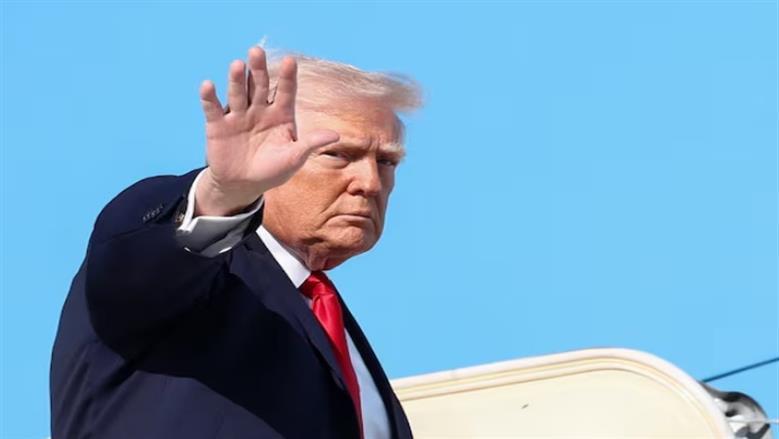
Trump Extends Ceasefire as US-Iran Peace Talks Stall and Strait of Hormuz Tensions Rise
22 sources compared
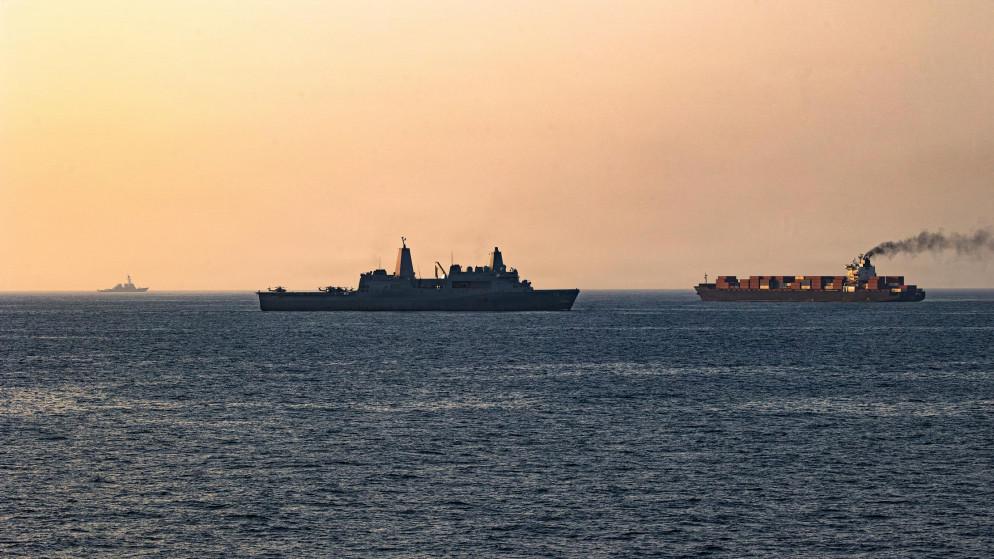
Iran Fires on Three Ships and Seizes Two in Strait of Hormuz, Trump Extends Ceasefire
28 sources compared

Trump Extends Iran Ceasefire While US Keeps Naval Blockade in Strait of Hormuz
18 sources compared
Iran’s Islamic Revolutionary Guard Corps Seizes Two Ships in Strait of Hormuz After Trump Ceasefire Extension
20 sources compared