USA25 September, 20252 min read
Trump Tells European Leaders Their Countries Are Going to Hell Due to Immigration
This article is an automated aggregation of coverage from news outlets. Our editorials offer in-depth analysis curated by the NewsCord team.
Trump criticized European leaders at the UN, blaming immigration for their countries' decline. Multiple Western countries, including France, UK, Canada, and Australia, recently recognized Palestinian statehood.

32 outlets told this the same way.
Outlets did split on Trump Interrupted by Protesters at San Antonio Rally for Ken Paxton →
Trump's UN Speech Controversy
President Donald Trump's speech at the United Nations has sparked significant controversy. His remarks were particularly directed at European leaders regarding immigration. Trump criticized European countries, suggesting that their immigration policies are leading them "to hell."
“The piece also references Trump's harsh remarks toward Europe on immigration, suggesting that the resulting turmoil stems from US-driven conflicts in the Middle East and Africa.”
This statement aligns with his administration's broader stance on immigration, which has been characterized by strict border controls and a reduction in refugee admissions. Trump's comments were part of a broader critique of the UN's effectiveness in resolving global conflicts.
He also announced cuts to U.S. funding for various UN bodies, including the WHO and UNESCO. The cuts were justified by citing inefficiencies and lack of support for U.S. policies.
Reactions to Trump's Remarks
Trump's remarks have been met with mixed reactions from European leaders and the international community. Some European countries, particularly those with more liberal immigration policies, have expressed dismay at Trump's comments, viewing them as an oversimplification of complex issues.
Meanwhile, leaders from countries with stricter immigration controls have found some common ground with Trump's views, seeing them as a validation of their policies. The speech has further strained transatlantic relations, with European leaders emphasizing the need for cooperation rather than division in addressing global challenges.
European Immigration and Diplomacy
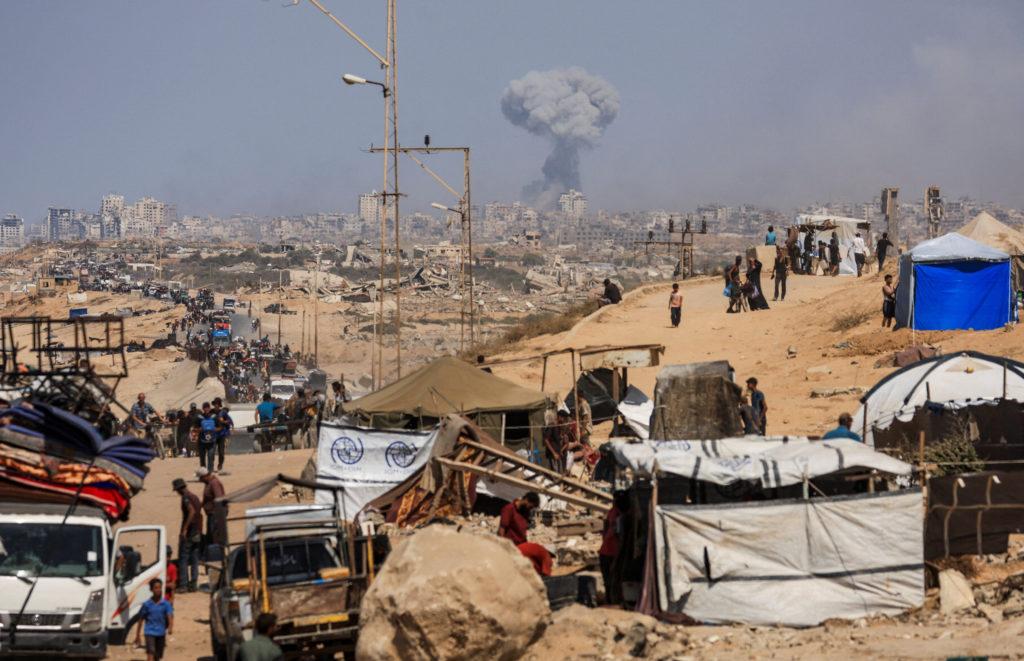
The broader implications of Trump's speech extend to the ongoing debate over immigration policies in Europe. Countries like Denmark have been considering changes to their stance on issues related to Palestine, which indirectly ties into broader immigration and foreign policy debates.
“Denmark is open to recognizing Palestine as an independent state in the future, but only if certain conditions are met.”
Denmark's potential recognition of Palestine is contingent on several conditions, including the disarmament of Hamas and reforms by the Palestinian Authority. This reflects a cautious approach to international diplomacy that contrasts with Trump's more direct and confrontational style.
Global Reactions to Immigration Policies
The international response to Trump's speech highlights the differing priorities and challenges faced by countries in addressing immigration and foreign policy. While Trump's administration has focused on reducing immigration and cutting international aid, other countries are grappling with the humanitarian aspects of these issues. The recognition of Palestine by several European countries, despite opposition from the US and Israel, underscores a commitment to diplomatic solutions and the complexities of international relations.