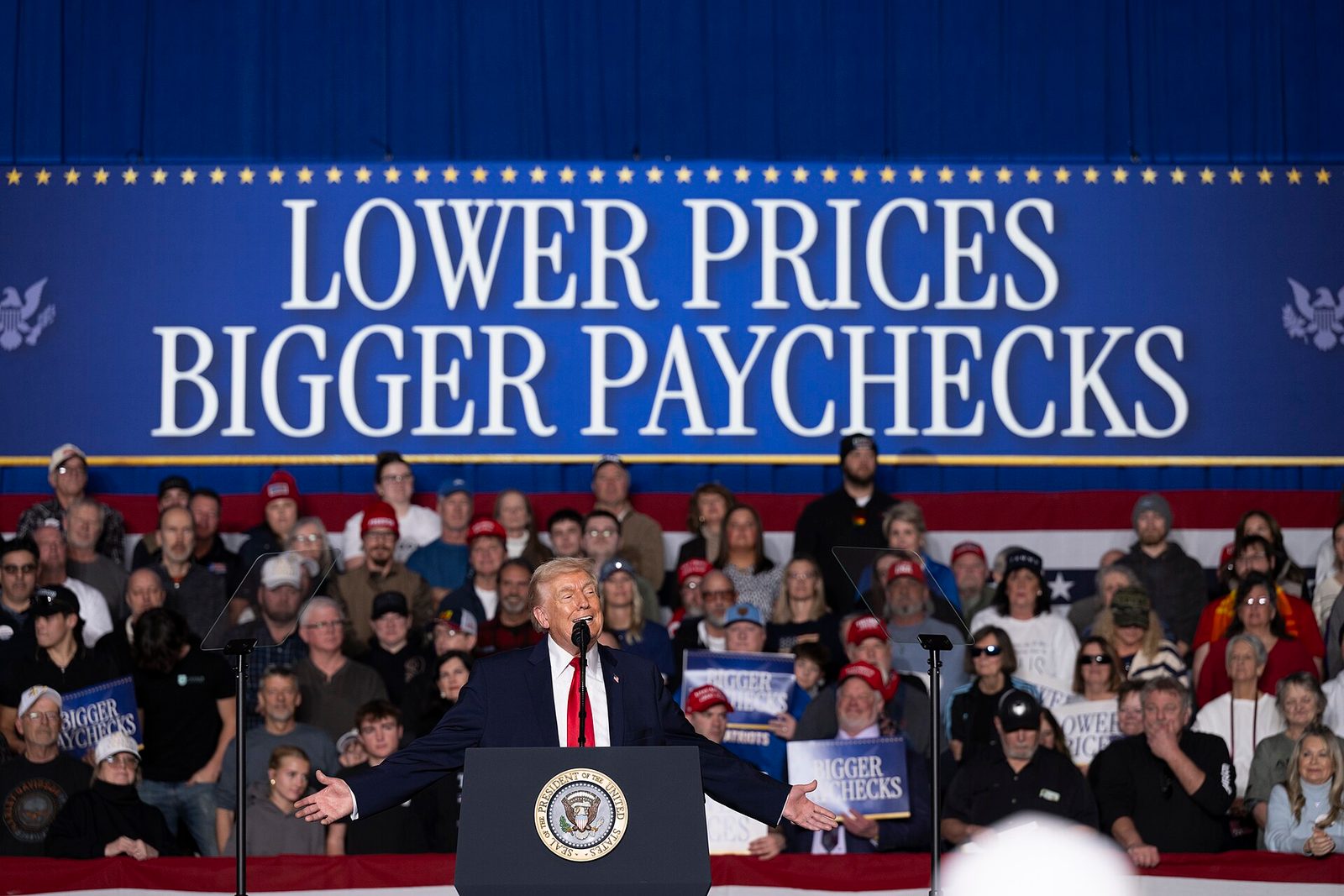
USAupdated 29m ago2 min read
Archive photo · 27 January 2026Trump Tells Hugh Hewitt He’ll Consider Military Action Against Cuba Before Leaving Office
“his administration’s brutal ICE raids have seen some Cuban Americans who voted for him turn against him.”
“The blockade has caused repeated nationwide blackouts, fuel and food shortages, and a humanitarian crisis.”
Photo: The White House / US federal government, Public domain · Cropped for layout
This article is an automated aggregation of coverage from news outlets. Our editorials offer in-depth analysis curated by the NewsCord team.
Trump says he would "certainly consider" military force to "get Cuba done" before leaving office He wants to force a change of power in Cuba within his term
Save coverage image
Trump floats force on Cuba
US President Donald Trump told conservative radio host Hugh Hewitt that he would “certainly consider” using military force against Cuba and said he wants to “get Cuba done before I leave,” in remarks tied to a phone interview on Thursday. Trump described Cuba as “essentially a failed … place, nation, whatever you wanna call it,” and he said Secretary of State Marco Rubio “would love to do it,” adding, “I’d love to be able to do it for the people, for the Cubans that came and were treated really badly, and they came to America.”
Trump said the administration was “watching it very closely,” and Politico reported that it was the first time Trump had put a timeline on a possible operation. Trump previously said Cuba “will fall fairly soon” and that the US would help it “on a humanitarian basis,” and he also said in March that he believed he would have “the honour of taking Cuba.”
Timeline, blockade, and UN
A de facto oil blockade put Cuba under pressure in January after the US seized Venezuela’s president and cut off Venezuelan oil to the island, and Trump signed an executive order declaring Cuba an “unusual and extraordinary threat” to the US. The blockade caused repeated nationwide blackouts, fuel and food shortages, and a humanitarian crisis, and Cuban officials called it “collective punishment.”
The Trump administration announced another wave of sanctions against Cuba earlier this month that targeted 10 individuals and entities tied to the country’s government, military and oil industry. The government of the socialist island state condemned the threats of a military intervention and other US measures such as the oil blockade at the UN General Debate in September.
What comes next
Washington added sanctions, including on Cuba’s state oil company, President Miguel Diaz-Canel and relatives of former President Raul Castro, and the US issued an arrest warrant for Castro. Officials from both sides held talks on the blockade, but Cuba’s foreign minister said in June there had been “no progress.”
Rubio last month told Fox News’s Sean Hannity that Cuba has “already fallen” and is a “failed state,” and he described the island as lacking a “functional economy.” Cuban officials said the island was ready for any attack, while Trump’s remarks left open the possibility of a military operation before he leaves office in 2029.