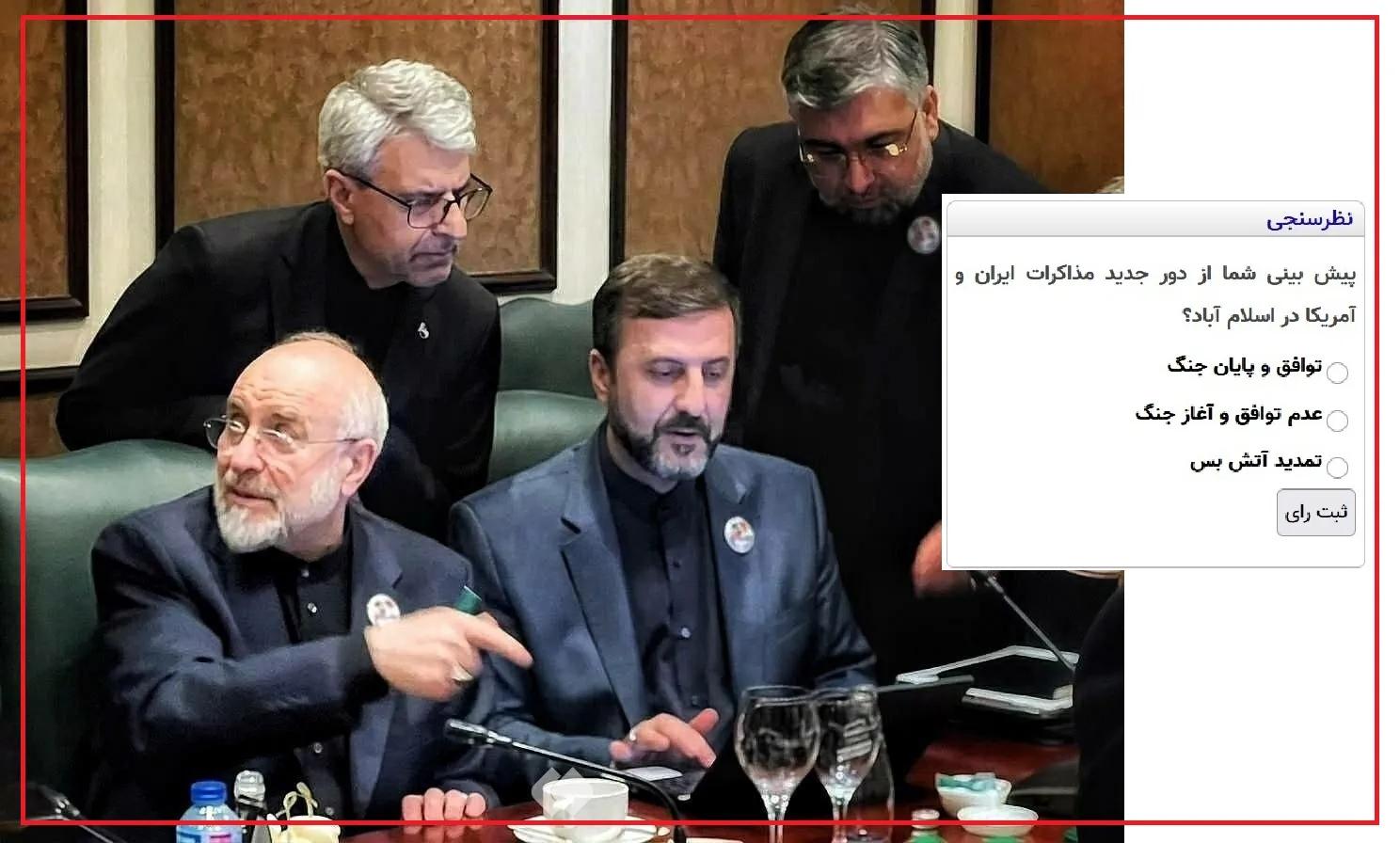
Trump Threatens Severe Consequences as U.S. Delegation Heads to Pakistan for Iran Ceasefire Talks
Key Takeaways
- Trump threatens to bomb Iran's power plants if ceasefire deal not reached.
- U.S. delegation heads to Pakistan for a second round of Iran ceasefire talks.
- Iran signals no talks with the United States for now, undermining Pakistan's mediation.
Ceasefire talks in Pakistan
A new round of U.S.-Iran ceasefire talks is set to be held in Pakistan as tensions rise, with U.S. President Donald Trump confirming that American negotiators will travel to Pakistan to engage in discussions with Iranian representatives regarding a ceasefire.
The meetings are scheduled to begin on Monday, according to Trump’s announcement, which he made via a post on his Truth Social platform.

Trump insisted the proposal represents Iran’s “final opportunity to accept a deal,” and he threatened “severe consequences” if Iran refuses.
He also said failure to come to an agreement could lead to “significant military action against Iranian energy and civil infrastructure,” framing the threat as a response to what he described as prior mistakes by former President Obama.
The CSR Journal says Vice President J. D. Vance led an initial round of discussions in Islamabad last week, though those talks reportedly did not yield any breakthroughs.
It adds that Trump’s special envoy to the Middle East, Steve Witkoff, and Jared Kushner—described as the President’s son-in-law—are tasked with revitalising the negotiations.
The same report places a ceasefire deadline on April 22, describing the situation as precarious as the date approaches.
Iran opts out; blockade is the line
Iran has signalled it will not participate in the upcoming negotiations in Pakistan, casting doubt on the effort just days before a fragile ceasefire expires.
Khabarhub, citing Iranian state media, reports that “there are currently no plans to participate in the next round of Iran-US talks,” with IRIB confirming the position through official sources.

Al Jazeera similarly reports that Iran has “no plans to send negotiators to Islamabad for a new round of talks with the United States,” warning that Pakistan’s mediation plans are threatened less than 48 hours before the ceasefire is set to expire.
In Al Jazeera’s account, Iran’s Ministry of Foreign Affairs spokesman Esmaeil Baghaei said Washington had “violated the ceasefire from the beginning of its implementation,” citing the U.S. naval blockade of the Strait of Hormuz since April 13 and the overnight capture of an Iranian container ship by the U.S. military.
Baghaei warned that if the U.S. and Israel launched aggression again, Iranian forces “will respond accordingly,” while reaffirming that Tehran’s 10-point proposal remained its basis for negotiation.
Khabarhub adds that Iranian news agencies, including Fars and Tasnim, described the diplomatic environment as “not very positive,” and emphasized that lifting the US blockade on Iranian ports remains a key precondition for any meaningful negotiations.
The standoff is described as unfolding alongside a temporary ceasefire involving Iran, the United States, and Israel following a conflict that began with surprise U.S.-Israeli strikes on Iran on February 28.
Multiple reports also describe the diplomatic timeline around the first round in Islamabad, including a 21-hour session held in Islamabad on April 11 that ended without a breakthrough.
Trump’s threats and the Touska seizure
The diplomatic rupture is tied to a sequence of confrontations in the Strait of Hormuz and the Gulf of Oman that Trump and Iranian officials describe in sharply different terms.
“Breaking Alert: Iran Rejects Talks As US Delegation Prepares For Islamabad Amid Ceasefire Tension Tensions between the United States and Iran are rising again as uncertainty clouds the future of ongoing ceasefire efforts”
The CSR Journal says Trump alleged Iranian forces targeted ships from France and the United Kingdom, calling these actions a “Total Violation” of the ceasefire agreement, and it says he referenced incidents in the Strait of Hormuz.
It also reports Trump’s claim that Iran suffers a financial blow estimated at $500 million per day due to the blockade in the Strait of Hormuz, while saying the United States faces no economic fallout.
Al Jazeera reports that Trump announced on Sunday that his representatives were heading to Pakistan for negotiations, but he accompanied the announcement with a revival of earlier pre-ceasefire threats to bomb Iran’s energy and power facilities.
In Al Jazeera’s account, Trump wrote on Truth Social that “My Representatives are going to Islamabad, Pakistan. They will be there tomorrow evening, for Negotiations,” and he accused Iran of a “Total Violation of our Ceasefire Agreement” after Iranian gunboats fired on vessels in the Strait of Hormuz, including a French vessel and a British freighter.
Al Jazeera further reports that in the early hours of Monday, Trump said the USS Spruance intercepted an Iranian-flagged cargo ship, the Touska, nearly 900 feet (274 metres) long, in the Gulf of Oman after its crew refused to heed warnings.
Trump wrote that “Our Navy ship stopped them right in their tracks by blowing a hole in the engine room,” and he said U.S. Marines took charge of the vessel, which he alleged was under U.S. Treasury sanctions for prior “illegal activity.”
Al Jazeera says Iran described the seizure of the ship as “piracy,” while Khabarhub says Iran condemned the incident as “armed piracy.”
Who leads the U.S. delegation
While Iran’s participation remains in doubt, U.S. plans for the Pakistan talks are described with specific leadership and venue preparations.
Khabarhub says a White House official indicated that the U.S. delegation would be led by Vice President JD Vance, alongside Middle East envoy Steve Witkoff and senior advisor Jared Kushner, and it ties that to Trump’s order that negotiators travel to Islamabad.

Al Jazeera describes Trump’s announcement that his representatives were heading to Pakistan for a second round of negotiations with Iran, with the ceasefire due to expire on Wednesday, and it quotes Trump’s Truth Social message about the timing of the delegation’s arrival.
CNN Arabic adds that Iranian sources familiar with the negotiations said an Iranian delegation would arrive in Pakistan on Tuesday to hold talks with the United States, expecting it to be the same delegation that included Foreign Minister Abbas Araqchi and Parliament Speaker Mohammad Bagher Ghalibaf.
CNN Arabic also reports that Iran’s Parliament Speaker Mohammad Bagher Ghalibaf said on Saturday that the United States and Iran “are still far from reaching a final agreement,” as the ceasefire set to end in days.
Al Jazeera’s account of Pakistan’s preparations includes the Marriott Hotel asking guests to vacate by Sunday afternoon, the Serena Hotel issuing the same order and stopping reservations, and roads into the Red Zone being sealed.
It says thousands of additional police and paramilitary personnel arrived from across the country, and it describes the Red Zone as housing key government buildings including the National Assembly, foreign embassies, and both five-star hotels.
The same Al Jazeera report says barbed wire and barricades lined the roads into the Red Zone, underscoring how the talks are being staged close to the ceasefire’s end date.
Nuclear demands and the next deadline
The negotiations described in the sources hinge on disputes over Iran’s nuclear program and the conditions for lifting the U.S. blockade, with both sides portraying the other’s demands as unacceptable.
Khabarhub says IRNA cited Washington’s “unreasonable and unrealistic demands,” particularly regarding its nuclear program, as a key obstacle, and it identifies a central issue as Iran’s stockpile of near-weapons-grade enriched uranium that the U.S. has pushed Tehran to relinquish.

It reports that Trump claimed Iran had agreed to hand over approximately 440 kilograms of enriched uranium, while stating that Iran’s foreign ministry rejected this assertion and said the stockpile will not be transferred and that such proposals have not been part of formal negotiations.
Khabarhub also says Iran’s control over the Strait of Hormuz is a crucial global energy route responsible for transporting roughly one-fifth of the world’s oil and liquefied natural gas, and it describes Iran closing the strait again in response to the continued U.S. blockade.
It adds that Iran’s Revolutionary Guards warned that any unauthorized passage through the strait would be treated as hostile cooperation, with vessels risking military targeting.
Al Jazeera frames the immediate stakes around the ceasefire extension mechanism, describing mediators calling it a memorandum of understanding (MoU) that could extend the ceasefire, even up to 60 days, if agreed.
But Al Jazeera says all of that hinges on Iran’s participation, which it reports Iran has now said it has no plans for, after a rapid escalation over the past 24 hours.
The CSR Journal places the ceasefire deadline on April 22 and says Trump threatened military action against Iranian infrastructure if diplomacy fails, including striking “Iranian power plants and bridges.”
More on Iran
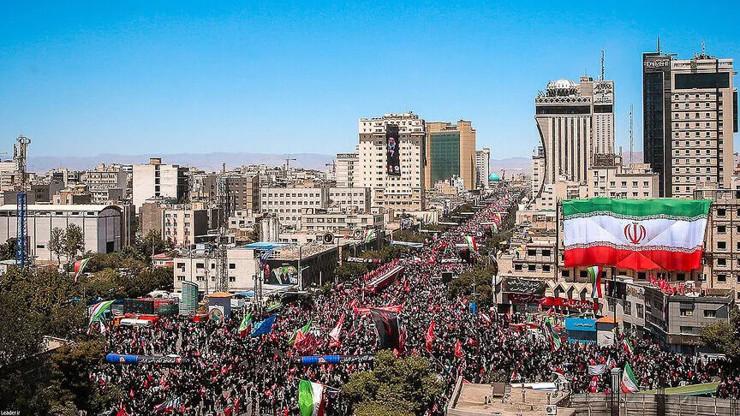
Israeli Strike Kills Ayatollah Ali Khamenei, Buried at Imam Reza Shrine in Mashhad
19 sources compared
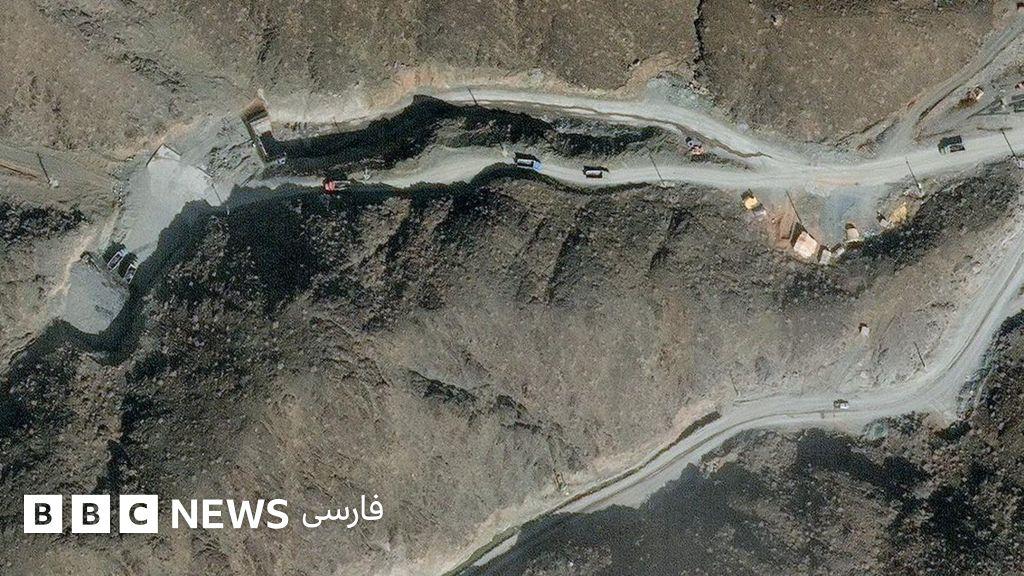
Iran Attempts To Restore Nuclear Sites Damaged In US And Israel Strikes, CNN Satellite Images Show
15 sources compared
Abbas Araghchi and Prince Faisal Bin Farhan Discuss Regional Developments After US Attacks
11 sources compared

Trump Says U.S. Agreed to Continue Iran Talks, Ceasefire Is Over
19 sources compared