Trump Threatens to Strike South Pars Gas Field if Iran Attacks Qatar Again
Key Takeaways
- Trump threatened to blow up the South Pars gas field if Iran attacks Qatar again.
- He said Israel attacked South Pars gas field without US or Qatari involvement.
- Iran retaliated with missiles against Qatar after Israel's South Pars attack.
Trump's Gas Field Threat
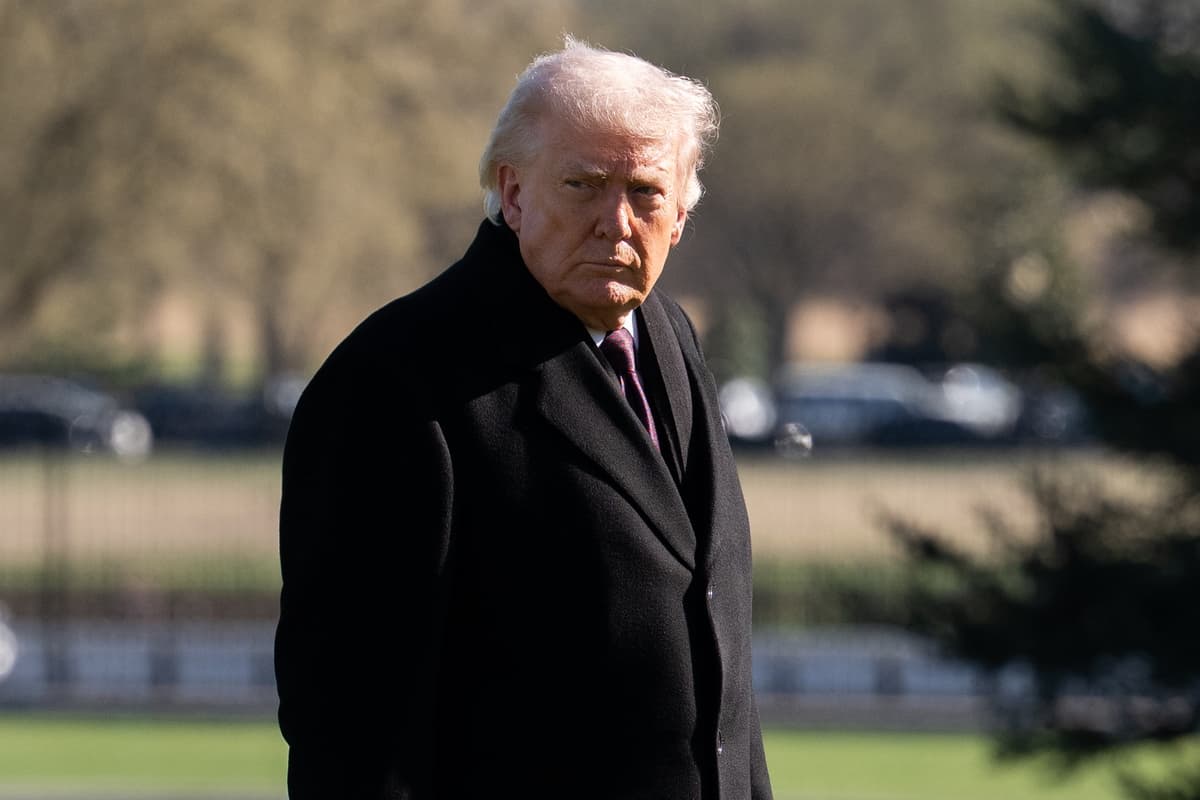
President Donald Trump issued a dramatic threat against Iran's South Pars natural gas field, warning that the United States would 'massively blow up the entirety' of the world's largest gas field if Iran continued attacking Qatar's energy infrastructure.
“Washington warns Tehran”
Trump made the statement on his Truth Social platform, declaring that 'NO MORE ATTACKS WILL BE MADE BY ISRAEL' on the South Pars field 'unless Iran unwisely decides to attack a very innocent, in which case Qatar - In which instance the United States of America, with or without the help or consent of Israel, will massively blow up the entirety of the South Pars Gas Field at an amount of strength and power that Iran has never seen or witnessed before.'

Trump emphasized that he 'did not want to authorize this level of violence and destruction because of the long term implications that it will have on the future of Iran,' but added that he 'would not hesitate to do so' if Qatar's LNG facilities were targeted again.
The statement came amid escalating tensions following Israeli strikes on Iranian energy infrastructure and Iranian retaliation against Gulf nations.
US Denial vs Reality
Trump publicly distanced the United States from Israel's attack on the South Pars gas field, claiming that 'the United States knew nothing about this particular attack' and that 'the country of Qatar was in no way, shape, or form, involved with it, nor did it have any idea that it was going to happen.'
However, this claim contradicted reports from multiple sources indicating that US officials had been informed about Israel's plans to strike the gas field but did not participate in the operation.

Trump described the Israeli strike as Israel having 'violently lashed out' at the facility 'out of anger,' saying only 'a relatively small section' of the field had been hit.
The president attributed Iran's subsequent attacks on Qatari LNG facilities to Iran's 'ignorance of the circumstances,' calling the retaliation 'unjustified and unfair' due to Iran's failure to understand the facts surrounding the initial Israeli attack.
Qatar Energy Damage
Iran's retaliation against Qatar's energy infrastructure caused extensive damage to the Gulf nation's critical LNG facilities.
“Live updates: Trump threatens to strike South Pars gas field if Iran attacks Qatar again U”
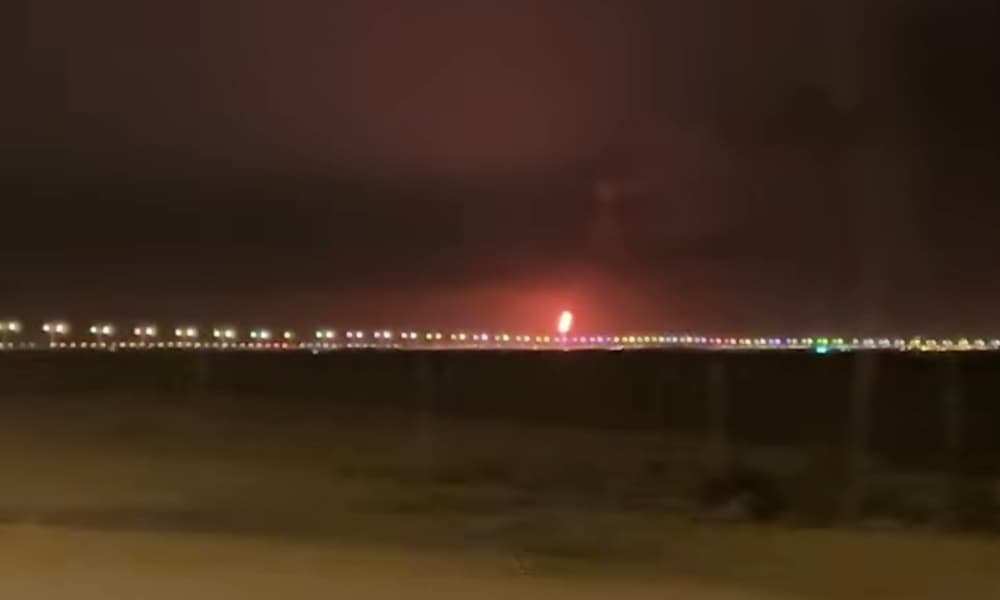
QatarEnergy, the state-owned energy firm, reported that 'several of its Liquefied Natural Gas (LNG) facilities were the subject of missile attacks, causing sizeable fires and extensive further damage' after a previous attack.
The company noted that the earlier attack on the Ras Laffan Industrial City on March 18 had already caused 'extensive damage to a gas-to-liquids facility.'
Qatar's Ministry of Defense confirmed that ballistic missiles targeted Ras Laffan Industrial City, the world's largest LNG terminal, while civil defense teams worked to contain the fires.
No casualties were reported from the attacks, though the damage to the facilities was significant enough to raise concerns about global energy supplies.
Qatar, a key supplier of LNG to global markets, had already halted production earlier in the conflict, but officials warned that extensive damage could delay the return of supplies even after the war ends.
Global Market Impact
The attacks on energy infrastructure sent shockwaves through global markets, with oil prices surging dramatically and international condemnation mounting.
Brent crude rose more than five percent early on Thursday, while oil prices surged another 5% to over $108 a barrel on international markets as Iran continued to squeeze the Strait of Hormuz shipping channel.
The economic impact extended beyond energy markets, with increasing costs for gasoline and other goods squeezing the global economy.
Saudi Arabia strongly condemned the Iranian attacks, with Foreign Minister Prince Faisal bin Farhan stating that 'what little trust there was before has completely been shattered' and that the kingdom 'reserved the right to take military action' against Iran if deemed necessary.
The UAE also denounced Iran's attacks targeting its energy facilities as a 'dangerous escalation' and 'violation of international law,' while Qatar's Ministry of Foreign Affairs condemned 'in the strongest terms the Iranian targeting of energy facilities' in neighboring Gulf states, calling it 'a blatant violation of international law and a serious threat to global energy security.'
Strategic Importance
The South Pars gas field, at the center of this escalating conflict, represents one of the world's most strategically vital energy assets.
“The ongoing Iran war has prompted Gulf states to curb large public events and gatherings”
Shared between Iran and Qatar, with the Qatari portion known as the 'North Field,' it is the world's largest natural gas field and provides 70% of Iranian gas.
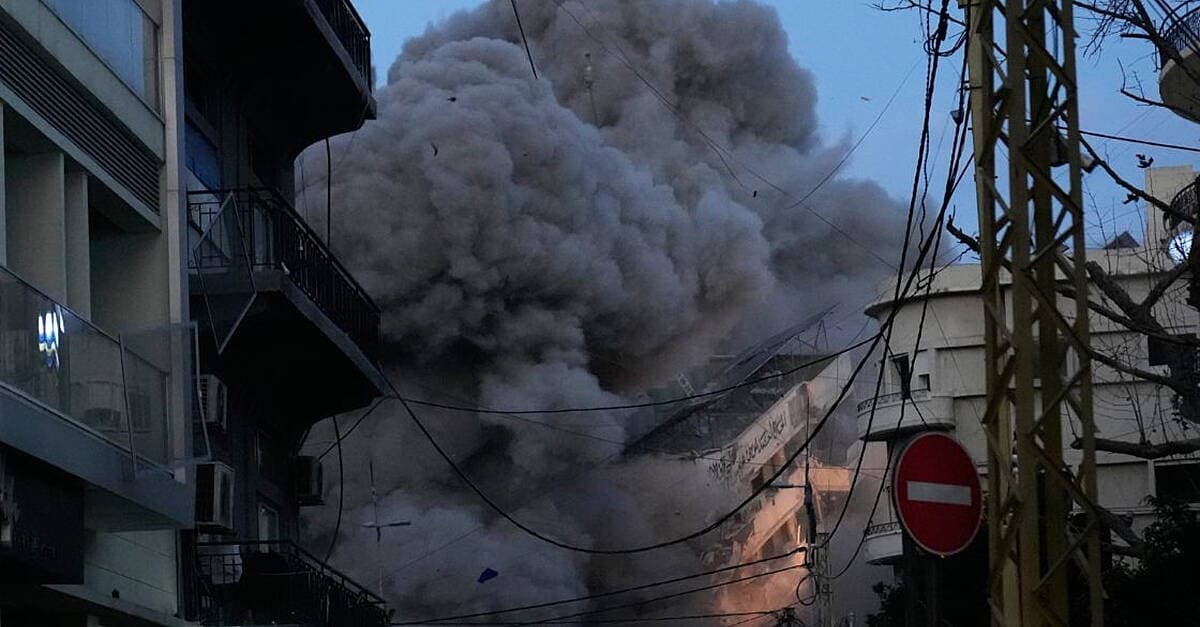
According to the Paris-based International Energy Agency, some 80% of all power generated in Iran comes from natural gas, and it is also used to supply household heating and cooking across the Islamic Republic.
This critical importance explains why Iran responded with aggressive attacks targeting gas fields and infrastructure in Qatar, Saudi Arabia, and the United Arab Emirates after Israel struck its side of the shared field.
The escalation represents a significant expansion of the conflict, with analysts describing Israel's decision to attack the Iranian offshore natural gas field as 'a clear expansion of the conflict.'
Unlike oil storage depots that can be replenished and rebuilt on a shorter timeline, liquefied natural gas production facilities cannot be as easily repaired, especially against a backdrop of war, according to the Soufan Center think tank.
More on Iran

Israel Strikes Iranian South Pars Gas Field in Coordination With U.S.
13 sources compared
Iranian strikes damage Ras Laffan gas complex in Qatar
23 sources compared

Israel strikes Iran's Pars gas field as Tehran vows revenge
14 sources compared
Iran Threatens to Strike Gulf Energy Facilities After South Pars Gas Field Hit
13 sources compared