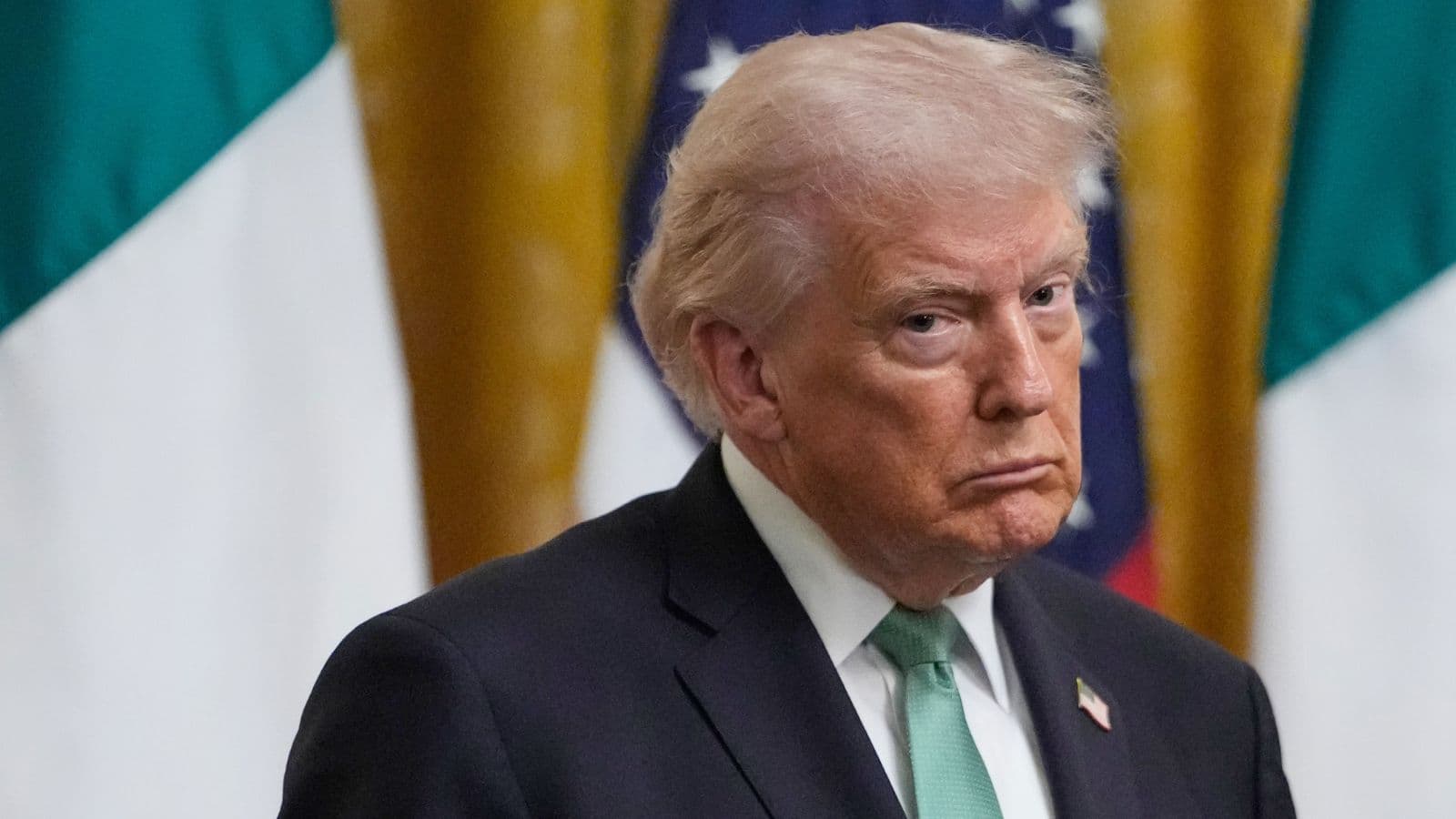
Trump Threatens to Finish Off Iran, Forcing Allies to Join Middle East War
Key Takeaways
- Iran broadened strikes on major energy facilities, triggering Gulf states' warnings of escalation.
- Ultimatum from Trump and Arab allies to join the war raises regional conflict risks.
- Energy-security concerns rise as targets threaten regional energy supply and global markets.
Trump's Aggressive Posturing
President Donald Trump has escalated his aggressive rhetoric against Iran, threatening to 'finish off' the country while attempting to force NATO allies into the Middle East conflict.
“Strikes hit world’s largest natural gas field in Iran, and Tehran retaliates with more attacks Strikes hit world’s largest natural gas field in Iran, and Tehran retaliates with more attacks DUBAI, United Arab Emirates (AP) — Iran broadened its strikes on major energy facilities in the Middle East, eliciting strong warnings Thursday from Gulf Arab states that called it a dangerous escalation that threatened to draw them into direct combat with Tehran”
Trump has strategically positioned the United States as both a potential peacekeeper and an escalator of hostilities, making contradictory statements about Israel's attacks on the South Pars Gas Field.
On one hand, Trump declared that 'Israel will make no more attacks on the South Pars Gas Field' unless Iran attacks other nations in the region.
However, he immediately followed with a stark warning that if Iran attacks Qatar, 'the United States of America, with or without the help or consent of Israel, will massively blow up the entirety of the South Pars Gas Field.'
Trump has also taken to social media to propose more extreme measures, suggesting the US could 'finish off what's left of the Iranian Terror State' before allowing countries that rely on the Strait of Hormuz to take charge.
Despite his aggressive tone, Trump has attempted to show some restraint, stating 'I do not want to authorise this level of violence and destruction because of the long term implications.'
Iran's Energy Infrastructure Attacks
Iran has responded to regional tensions by directly attacking energy infrastructure, most notably targeting Qatar's Ras Laffan Industrial City, home to the world's largest liquefied natural gas export facility.
On the night of March 18, 2026, Iran fired five ballistic missiles at the Ras Laffan complex, with four being intercepted by Qatari and US air defenses.

A second wave of strikes followed in the early hours of March 19, causing further structural damage to LNG processing trains and the adjacent Pearl GTL plant.
These attacks came after Iran accused the United States and Israel of targeting oil and gas facilities, including the South Pars natural gas field.
The Iranian government has been systematically targeting energy infrastructure across the region, with CNN reporting that 'Two refineries in Riyadh "were attacked,"' while CNN also confirmed that the missile strike on Ras Laffan caused 'extensive damage.'
The attacks represent a strategic escalation by Iran, expanding the battle space beyond conventional military sites and directly targeting the global energy system.
Regional Responses and Diplomacy
The escalating conflict has triggered significant diplomatic tensions and varied regional responses, with Gulf States adopting defensive postures while international community efforts remain hampered.
“Iran expanded the scope of its attacks on neighboring energy infrastructure this Thursday (the 19th), after receiving an ultimatum from President Donald Trump and from Arab and Islamic countries gathered in Riyadh, Saudi Arabia”
Following the Iranian attacks on Qatar, the Qatari government responded by giving all Iranian embassy officials 24 hours to vacate the country, demonstrating a clear hardening of diplomatic positions.
Meanwhile, the majority of Gulf States have taken a defensive position by focusing their efforts on missile interception and protection of their critical infrastructures rather than pursuing retaliatory military actions.
Saudi Arabia has been particularly vocal in its response, with Foreign Minister bin Farhan stating that Iran's pressure tactics 'will backfire' and emphasizing that 'We have reserved the right to take military actions, if deemed necessary.'
This regional response reflects a strategic calculation that defensive postures may be more effective than direct confrontation, particularly given the potential catastrophic consequences of further escalation.
Humanitarian and Economic Impacts
The conflict has produced severe humanitarian consequences while simultaneously creating unprecedented volatility in global energy markets, with oil and gas prices soaring to multi-year highs.
Humanitarian costs have been catastrophic, with more than 3,000 individuals killed in Iran alone since the outbreak of the conflict, according to estimates from HRANA, an Iranian human rights group.
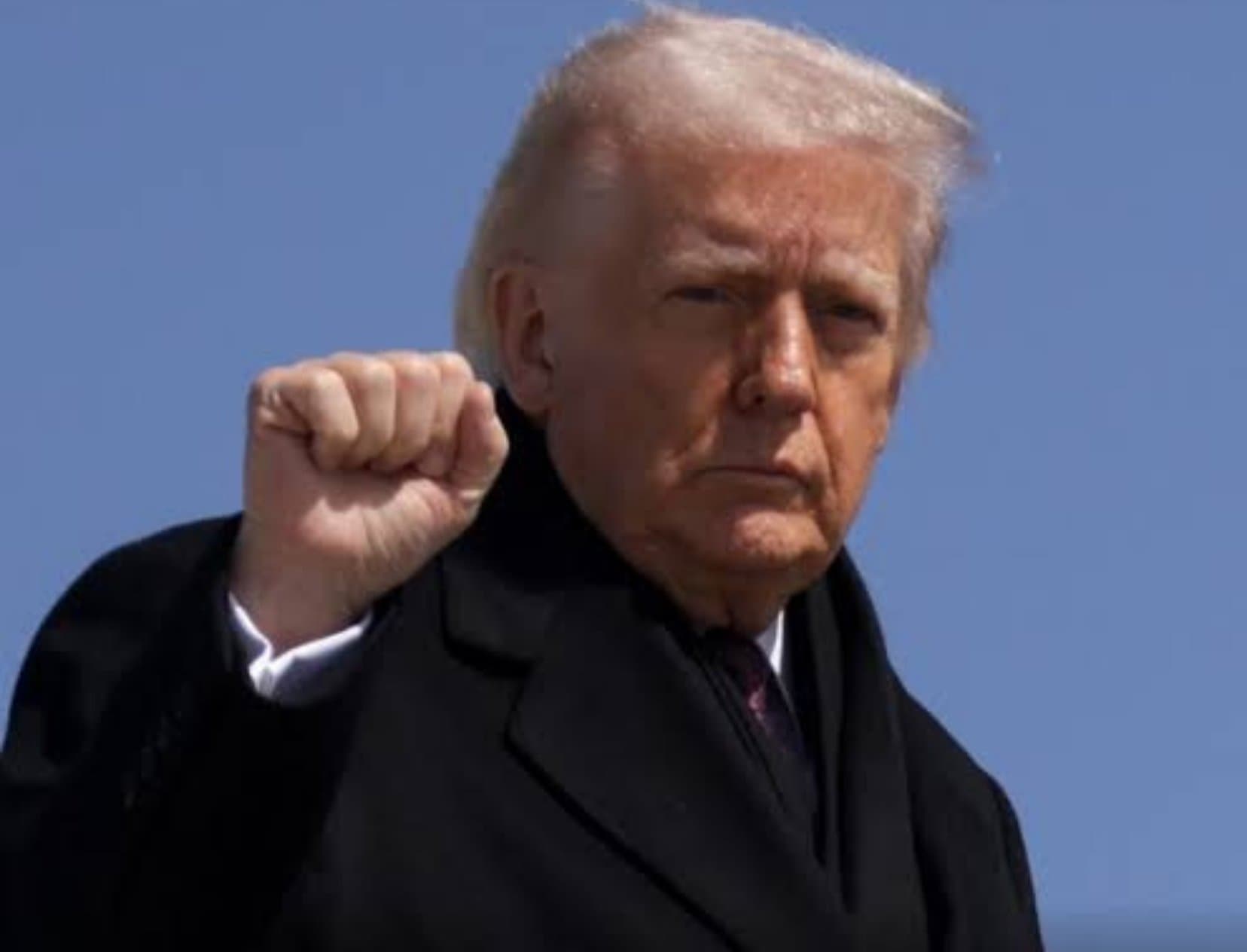
In Lebanon, at least 900 individuals have lost their lives and approximately 800,000 people have been displaced from their homes, with additional civilian deaths reported from Iranian attacks in Iraq and throughout the Gulf states.
The United States has also suffered military casualties, with 13 U.S. military personnel reported killed in the conflict to date, fatalities that are likely to heighten concerns about U.S. involvement in the region.
Simultaneously, energy markets have experienced extreme volatility, with oil prices surging to $110 per barrel, representing an increase of over 50% since the conflict began.
Natural gas prices in Europe have skyrocketed by over 60%, as market participants fear that gas supplies will continue to be cut off for an extended period.
Political Fallout and Concerns
Trump's aggressive approach to the Iran conflict has generated significant political fallout within the United States, with growing concerns about presidential overreach and the lack of congressional oversight.
“President Donald Trump has amped up his bid to rope in NATO allies to the Iran war”
The administration has faced internal dissent, with former US National Counterterrorism Center Director Joe Kent publicly revealing that he spoke directly with President Trump prior to his departure from the administration.
Despite his resignation over concerns about the Iran war, Kent described Trump as 'very respectful' and 'very kind' in their conversation, noting that they 'departed personally on good terms.'
However, congressional Republicans have demonstrated support for Trump's approach by rejecting a resolution aimed at requiring the president to seek congressional approval for future US military action against Iran.
This rejection underscores the administration's determination to maintain unilateral authority over military decisions in the Middle East, even as intelligence officials appear to contradict some of the president's public statements.
More on Iran
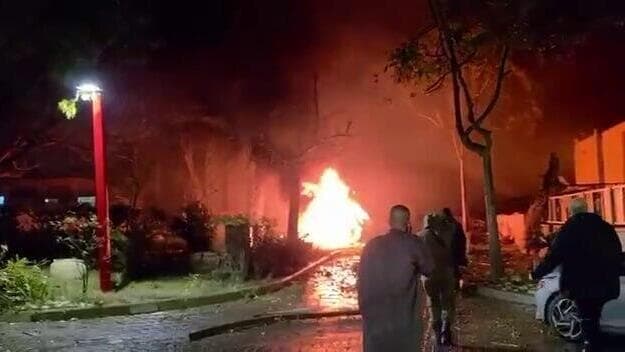
Iran Attacks Israeli Towns Dimona and Arad Near Israel's Main Nuclear Research Center, Dozens Wounded
43 sources compared
Iran Attacks Dimona in Retaliation for Natanz Strike
44 sources compared

Iran Attacks Diego Garcia with Long-Range Missiles, Targeting U.S.-UK Base
82 sources compared
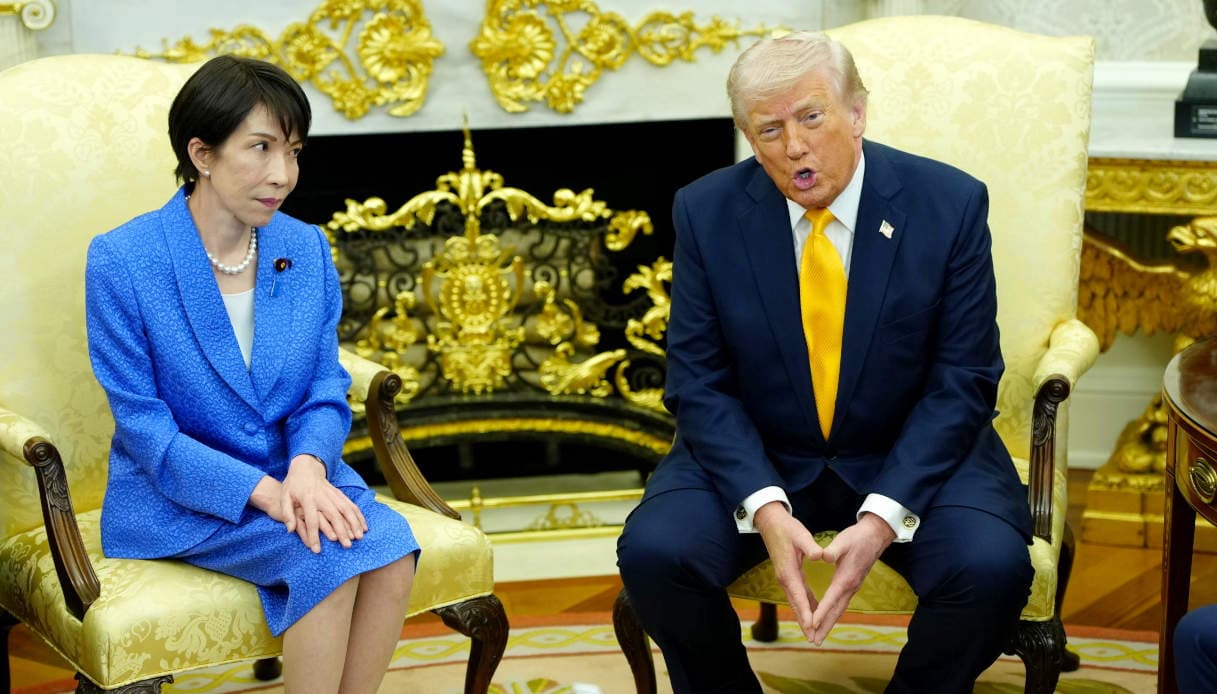
Trump Defends Iran War by Citing Pearl Harbor
12 sources compared