Full story
Trump targets Iran lifelines
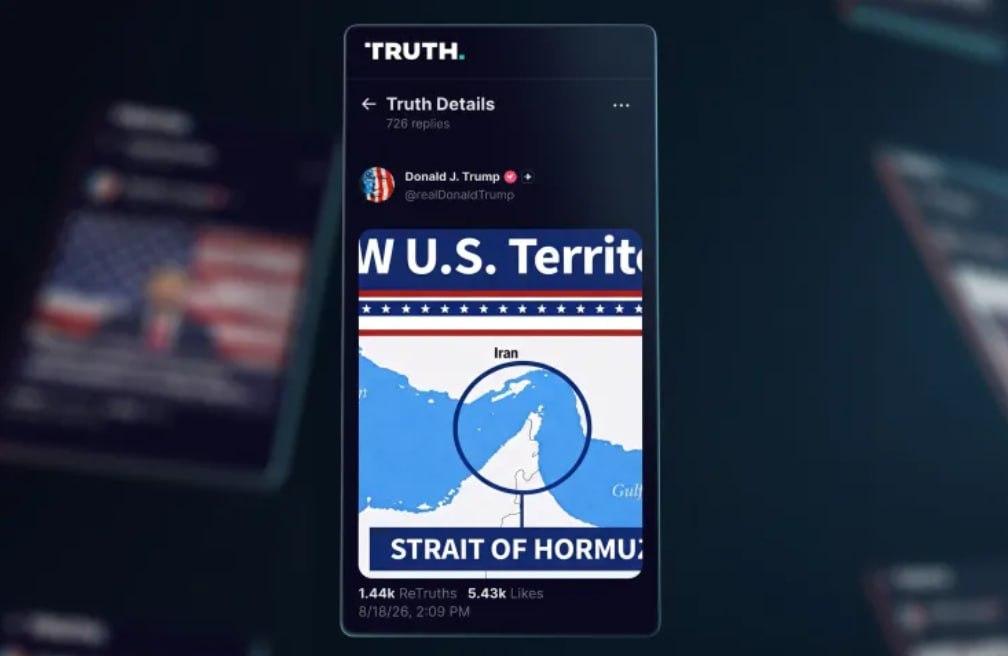
US President Donald Trump said on Wednesday that any country that allows its financial institutions, businesses, airports, or government entities to provide “any type of lifeline to Iran” will face “TREMENDOUS Economic Consequences.”
“ANY country that allows its financial institutions, businesses, airports, or government entities to provide any type of lifeline to Iran will itself face TREMENDOUS Economic Consequences”
Trump wrote on Truth Social that he was announcing “the MOST CRUSHING ECONOMIC OPERATION EVER TAKEN AGAINST ANY COUNTRY!” as the conflict with Iran approaches its sixth month with no clear diplomatic resolution in sight.
The intensified economic pressure campaign is described as “Economic Warfare and Isolation on an unprecedented scale,” and Trump did not name any country other than Iran.
The BBC said the move comes after a 60-day ceasefire with Iran expired on Monday, with no sign of a diplomatic or military off-ramp to the conflict that the US and Israel began at the end of February.
The Diplomatic Insight also said Trump called for an immediate halt to activities including oil smuggling, financial swap arrangements, cash transfers, currency exchange operations, ship registrations and the use of front companies to support Iran.
Allies, sanctions, and pushback
The BBC reported that Trump said he was launching “economic D-Day” on Iran because the Islamic Republic had failed to make a deal with the US, and it quoted him listing “Oil smuggling, swap lines, cash transfers, exchange houses, ship registries, front companies - It all needs to stop NOW.”
The Diplomatic Insight said Treasury Secretary Scott Bessent described the strategy as part of a broader campaign that would combine economic pressure with a US naval blockade, and it said Washington was preparing to intensify efforts to isolate Iran economically.
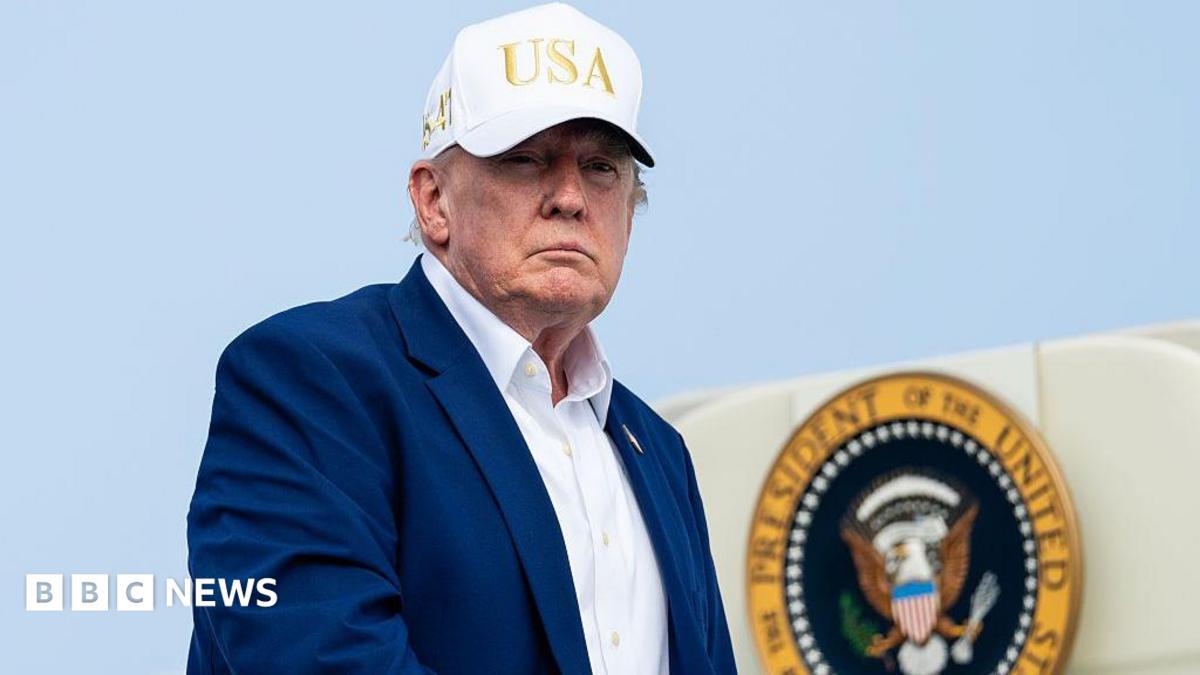
DW reported that Iran’s Fars news agency called Trump’s latest economic threat the usual “psychological warfare and propaganda campaign,” while Tasnim said the announcement was “not a new development” and that the United States had been trying for years to block financial and economic ties with Iran.
DW also said Tehran has “learned how to circumvent these restrictions,” and it described Trump’s warning as part of a stepped-up economic pressure campaign with no details of what the economic steps would look like.
The BBC added that the United Arab Emirates severed all financial and economic ties with Iran after accusing Iran of firing two ballistic missiles launched from Iran targeting maritime traffic, with both landing in the sea.
What’s at stake next
The BBC said Trump’s latest move appears to extend the pressure campaign of Operation Economic Fury, launched in April to sanction foreign banks or firms that do business with Tehran, and it said the operation also included a naval blockade to stop exports from the Islamic Republic.
““Iran’s economy is in serious trouble, but it’s not collapsing,””
The Diplomatic Insight said for months the US Treasury has been implementing a sanctions program known as “Operation Economic Fury,” aimed at restricting Iran’s access to international financing and cutting off sources of revenue.
The New York Times reported that Treasury Secretary Steven Mnuchin warned last week about “unprecedented measures,” and it quoted Danny Citrinowicz saying, “Iran’s economy is in serious trouble, but it’s not collapsing,” adding that “the regime is likely to escalate before capitulating.”
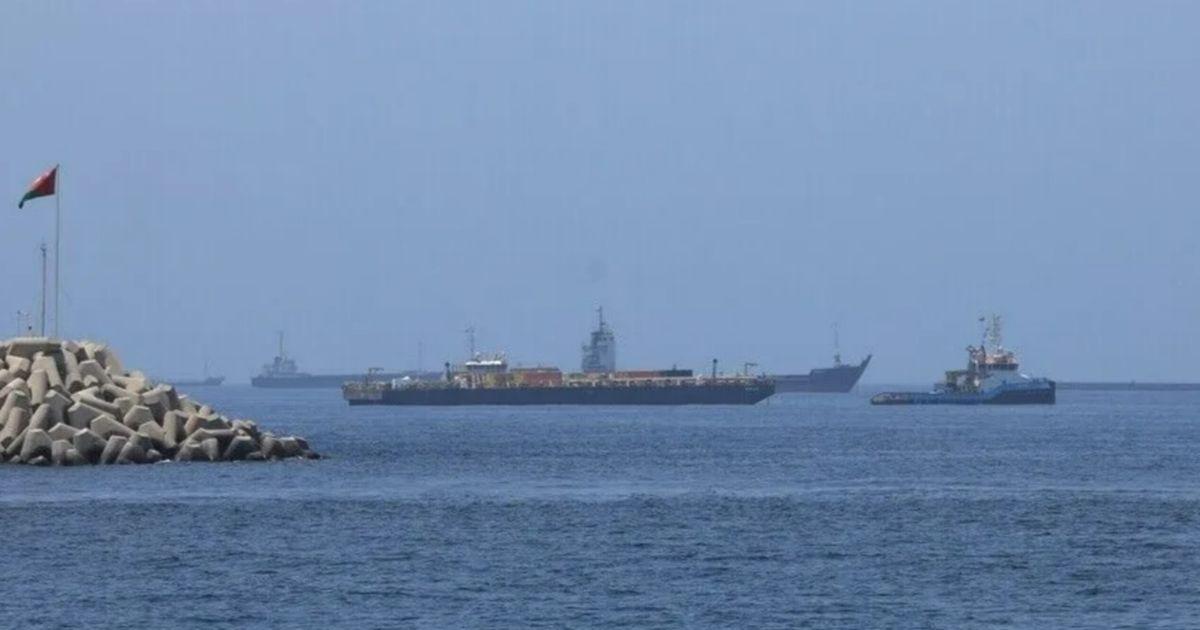
The BBC said the conflict has significantly disrupted traffic through the Strait of Hormuz shipping route, pushing up global energy prices, and it stated that around 20% of the world’s crude oil and liquified natural gas (LNG) usually passes through the strait.
In the same reporting, the BBC said the US and Oman have been negotiating separately with Tehran to reopen the Strait of Hormuz, and it noted that Trump reportedly threatened to bomb Oman if it “gets in the way” of his administration’s own talks with Iran.