Full story
Trump targets Iran’s lifelines
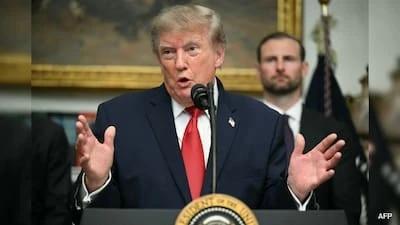
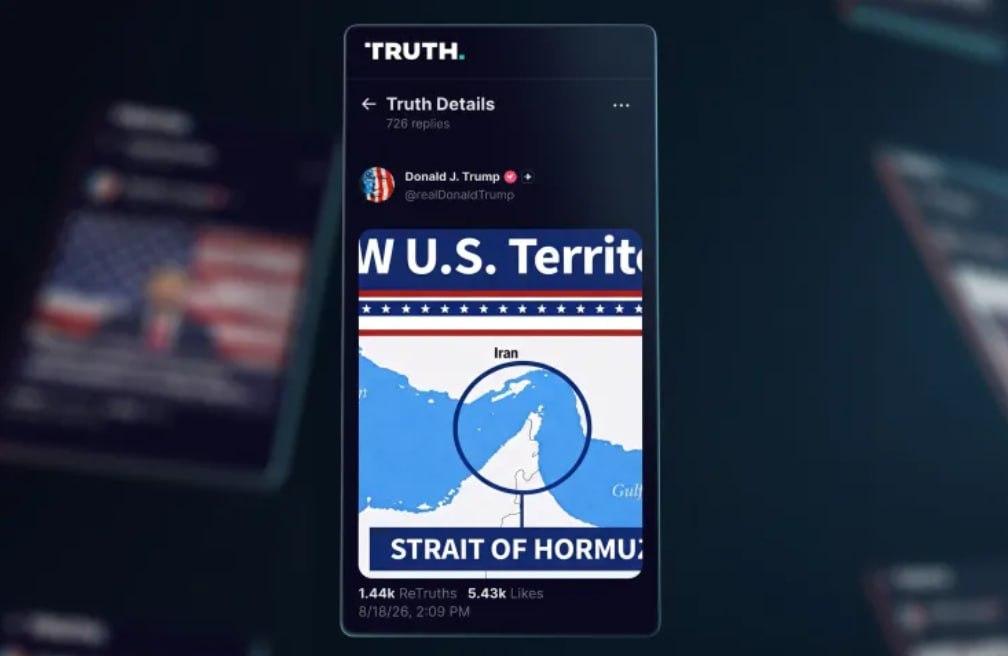
US President Donald Trump announced what he described as “the MOST CRUSHING ECONOMIC OPERATION EVER TAKEN AGAINST ANY COUNTRY!” aimed at isolating Iran and warning that “ANY country that allows its financial institutions, businesses, airports, or government entities to provide any type of lifeline to Iran will itself face TREMENDOUS Economic Consequences.”
““Any country that allows its financial institutions, businesses, airports, or government entities to provide any type of lifeline to Iran will itself face tremendous economic consequences.””
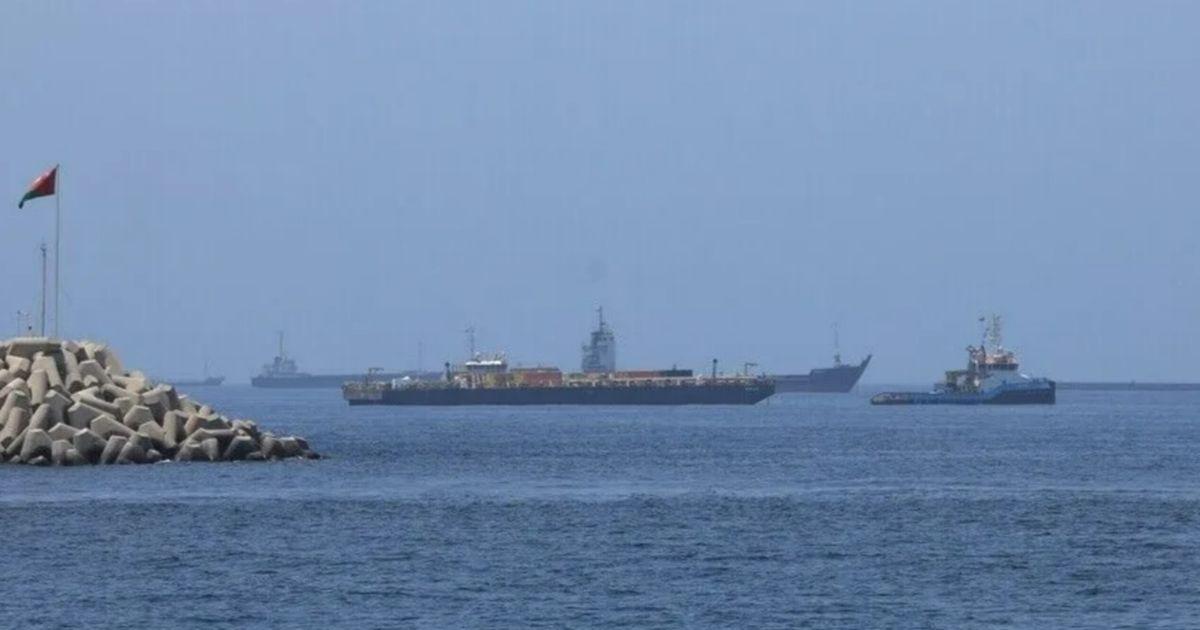
Trump’s threat came as the war nears its sixth month, with the intensified economic pressure campaign described as having “no immediate diplomatic or military off-ramp in sight,” and with the Strait of Hormuz still “significantly choked-off.”
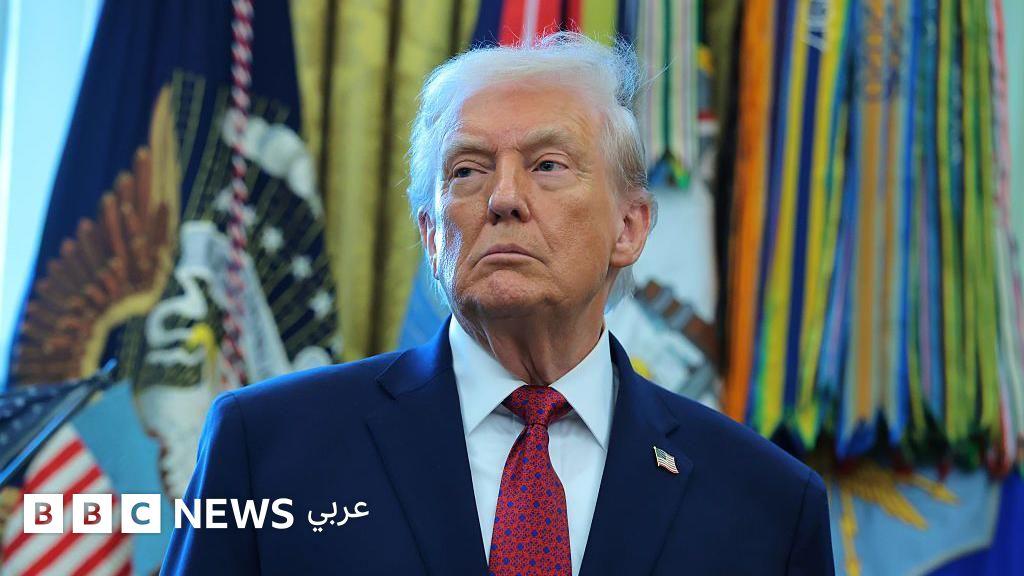
The announcement also framed the effort as “Economic Warfare and Isolation on an unprecedented scale,” and it listed channels he said must stop immediately, including “oil smuggling, swap lines, cash transfers, exchange houses, ship registries, front companies.”
In parallel, the US Treasury Secretary Scott Bessent said the US would impose economic isolation on Iran “like the world has never seen before,” while the US Treasury has for months pursued a sanctions campaign called Operation Economic Fury and a naval blockade in the straight of Hormuz to block Iranian ports from exporting oil vital to keeping the country’s economy afloat.
Allies, analysts, and UAE
Trump urged allies to join Washington in isolating Iran, calling the campaign “Economic D-Day” and saying “We need all of our Allies to stand with the United States of America to isolate, and defeat, the Iran threat.”
The Guardian reported that the wording of Trump’s announcement suggested he could be threatening secondary sanctions on countries that buy Iranian oil, and it quoted Gregory Brew of theEurasia Group saying it would be “hard for the US to direct such actions at China, the country that matters most to Iran’s economic future.”

CNBC reported that the UAE suspended all trade and financial dealings with Tehran after it said it detected two Iranian ballistic missiles fired at the Gulf state, while Iran denied launching the missiles and called the claim a “false flag.”
CNBC also cited Bob McNally, president of Rapidan Energy Group, saying Washington’s leverage question runs through China and that “Beijing has already shown its willingness to retaliate,” as ship transits through the Strait of Hormuz continued “well below pre-war norms” last week.
What happens next
The new economic pressure campaign was described as extending the Trump administration’s sanctions effort under Operation Economic Fury, which the Guardian said aims to cut off Iran’s funding with targeted sanctions while the US naval blockade seeks to block Iranian ports from exporting oil.
““military pressure and sanctions would not break Iran’s resolve.””
In the same reporting, the Guardian said Iran’s economy already faces “a punishing array of US and western sanctions” that have “ground down the economy over years,” while also noting that “experts say the country’s leaders have learned to adapt” by exporting oil through a network of shadow tankers.
The Guardian also reported that Mohammad Mokhber, an adviser to Iran’s supreme leader, said “military pressure and sanctions would not break Iran’s resolve,” adding that Iran remained open to dialogue with the US but would not confuse negotiations with surrender.
Meanwhile, the Economic Times said Trump claimed the naval blockade in the Strait of Hormuz had been “extremely effective,” and it quoted him saying “We have very draconian sanctions, and we'll see what happens,” as the dispute over the Strait of Hormuz continued to complicate efforts to reach a broader settlement.