Full story
Trump, Netanyahu, and Iran
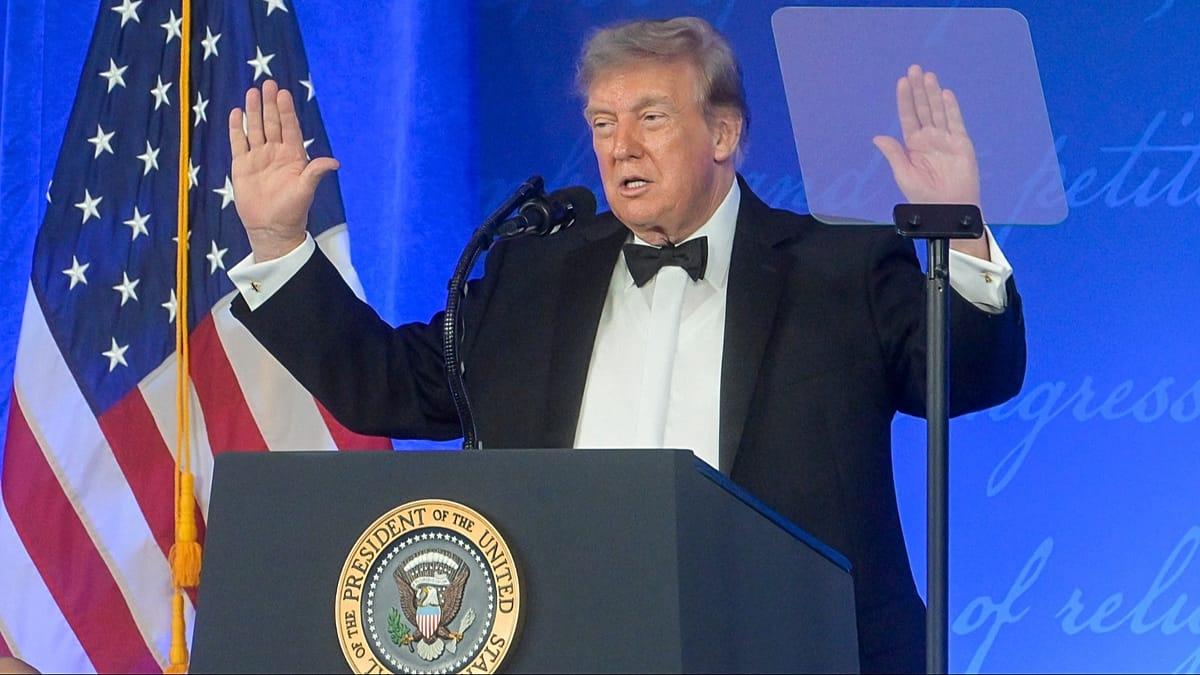
President Donald Trump said the United States is in “very deep talks” with Iran and warned he “will return to war if negotiations fail,” as Prime Minister Benjamin Netanyahu headed to Washington for a meeting with the president, according to the Jerusalem Post.
“Skip to main content Middle East Top US officials urged Trump to avoid major escalation with Iran: Report Vice President JD Vance, military leadership warn of munitions shortages, ripple effects during high-stakes meeting, according to US media Yasin Gungor 26 July 2026•Update: 27 July 2026”
The Jerusalem Post also said Israel and the US launched Operations Roaring Lion and Epic Fury on February 28 with the stated aim of creating conditions for regime change, and it reported that Ayatollah Ali Khamenei was killed by an Israeli strike on a Tehran bunker.

The same Jerusalem Post live updates described Iran retaliating by firing across the Middle East at Gulf nations and US military bases, and it put casualties at “Thirty-nine IDF soldiers and 23 civilians” killed with “at least 7,693 more injured” in ballistic missile attacks across Israel since February 28.
It added that a ceasefire deal was announced on April 7 and went into effect on April 8, while the Jerusalem Post said Netanyahu departed Israel earlier on Monday for talks with Trump in Washington.
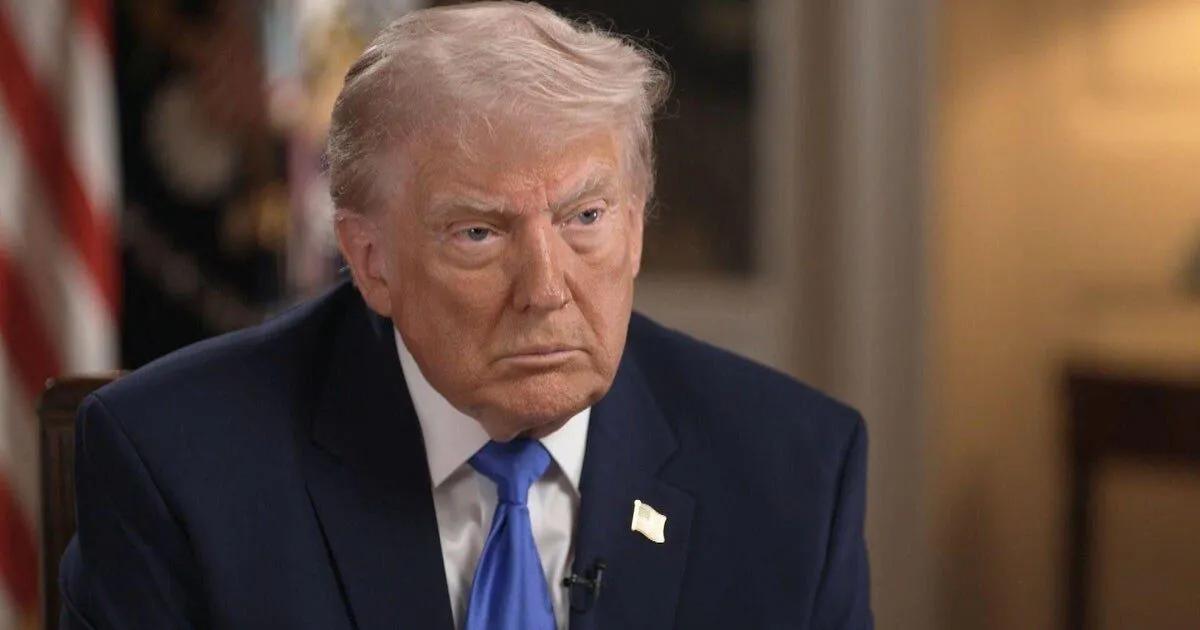
The Times of India reported that Trump dismissed reports of critical shortages of air defence interceptors and said, “We have far more munitions than anyone in the world, and far more than we need.”
Munitions warnings and restraint
Anadolu Ajansı reported that Vice President JD Vance and Gen. Dan Caine urged Trump to avoid major escalation with Iran during a high-stakes meeting, with Caine warning about a munitions stockpile shortage.
Anadolu Ajansı quoted Trump dismissing those concerns to The Wall Street Journal, saying, “We have far more munitions than anyone in the world, and far more than we need.”
The Hill reported that U.S. Ambassador to the United Nations Mike Waltz blamed former President Biden for depleted stockpiles and said Defense Secretary Pete Hegseth “inherited a depleted situation” from the Biden administration.
The Hill also said Waltz denied depletion was negatively impacting the war with Iran and told Kristen Welker on NBC News’s “Meet the Press” that the U.S. military has what it “needs” to carry out strikes against Iran.
Anadolu Ajansı further said Axios reported CENTCOM Commander Brad Cooper advised pausing bombardment after concluding the current air campaign had achieved its immediate goals and was no longer producing operational results, with targets described as “mostly exhausted.”
Targets, diplomacy, and risks
Anadolu Ajansı said a second consecutive night passed without reported US or Iranian strikes after two weeks of sustained bombardment, and it reported that no explosions or US air raids were recorded across Iran overnight into Sunday, according to tracking by Anadolu.
“Donald Trump dismissed reports that the United States is facing a shortage of ammunition in the midst of the war with Iran”
The Hill said Gen. Dan Caine warned the Senate Appropriations Committee earlier this week against failure of Congress to approve the $21 billion in the administration’s supplemental request for munitions, warning there would be “a lack of shared risk between the federal government and the private sector.”
The Times of India reported that updated estimates by centre for strategic and international studies analysts Mark Cancian and Chris Park said the US has used at least 1,500 Patriot interceptors since the conflict began, leaving an estimated inventory of fewer than 1,000.
The Jerusalem Post said the two expected to discuss the situation with Iran “alongside other issues,” while Anadolu Ajansı said Trump is allowing “some space” for diplomatic discussions with Iran according to the US ambassador to the UN, Mike Waltz.
Anadolu Ajansı also reported that officials reportedly cautioned Trump that threats to target civilian infrastructure including roads, bridges and power plants could leave millions of Iranians without electricity or food, and it said the meeting included the potential for a massive refugee crisis and Iranian retaliation against Gulf energy and desalination infrastructure.