Full story
Trump threatens infrastructure strikes
The United States and Iran escalated their maritime confrontation as President Donald Trump warned that if the Islamic Republic of Iran shoots at a ship in the Strait of Hormuz, the United States will bomb and destroy one bridge or power plant, including targets near or in the capital city of Tehran.
“The United States has launched a 12th continuous night of strikes against targets in Iran, as Tehran threatened to launch more of its own attacks across the Gulf region, warning that “no infrastructure will be safe” unless its own security is guaranteed”
Iran’s chief negotiator and Parliament Speaker Mohammad Bagher Ghalibaf responded that “In a region where we do not sell oil, no one will sell oil,” and said “if our security is not guaranteed, no infrastructure will be safe.”

The exchange followed US Central Command (CENTCOM) saying it had completed the 11th consecutive evening of strikes against Iran overnight, while accusing Tehran of attacking more than 30 commercial vessels transiting Hormuz and saying the attacks “have endangered hundreds of innocent mariners and undermined freedom of navigation.”
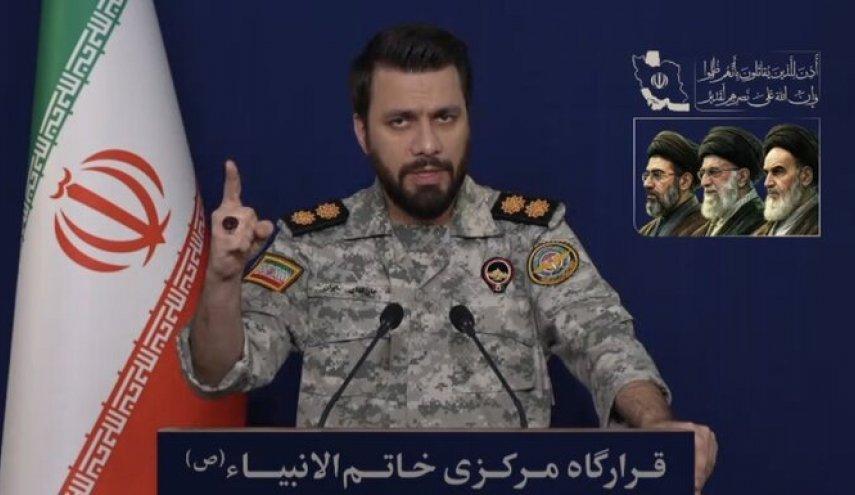
In parallel, Iran’s Islamic Revolutionary Guard Corps said it struck US assets in Jordan and Kuwait “in retaliation” for the US strikes, as the standoff continued to heighten oil-market risks and pressure shipping routes.
Eye for an eye rhetoric
Iran’s Foreign Minister Abbas Araghchi echoed Ghalibaf’s stance, saying “Our defense doctrine is clear: eye for an eye,” and warning that any aggression against Iran, including infrastructure, would compel “a powerful and decisive response.”
Al Jazeera reported that the United States launched a 12th continuous night of strikes against targets in Iran, with CENTCOM saying the strikes were “to further degrade Iran’s ability to threaten civilian mariners and commercial vessels transiting regional waters”.
Al Jazeera also said Iran’s Ministry of Health put US attacks since late last month at 53 people killed, including three children, and 590 injured, while Iran responded by hitting water and power plants in Kuwait and other US-allied countries.
The same Al Jazeera report described Iran’s chief negotiator Mohammad Bagher Ghalibaf repeating the warning that “In a region where we do not sell oil, no one will sell oil,” linking the threat to the condition that “If our security is not ensured, no infrastructure will be safe.”
Regional targets and oil routes
The dispute also broadened beyond the Strait of Hormuz as Al Jazeera said Iran-allied Houthis threatened a second vital energy route, the Bab al-Mandeb Strait, by declaring a blockade of Saudi ports and prompting five tankers to change course in the Red Sea.
Al Jazeera reported that the escalating attacks led both sides to say they had abandoned the interim peace deal signed last month, with a major point of contention being the status of the Strait of Hormuz, which Iran insisted on maintaining control over.
In the same reporting, Al Jazeera said Iran’s military claimed threats from Washington “will have no result other than the expansion of the war,” while Georgetown professor Mehran Kamrava told Al Jazeera that Iran was “running out of options” in the number of regional targets it could attack without damaging its standing.
Elsewhere, chinadailyhk said Kuwait’s Ministry of Electricity, Water and Renewable Energy reported that several power generation and water desalination plants in Kuwait were attacked on Monday evening, triggering fires at multiple facilities, while the ministry did not specify the number or locations of the affected plants or report any casualties.