
Trump's oil-first push risks spillover as Iran war escalates
Key Takeaways
- Trump shifted U.S. policy toward oil and fossil fuels, sidelining renewables.
- Iran conflict risks spillover into energy markets and prices worldwide.
- Trump weighs Middle East military reinforcements amid escalating Iran war.
Energy Policy Reversal
Trump's return to office has marked a dramatic reversal of U.S. energy policy.
“Iran war underscores risks of Trump’s relentless focus on oil Iran war underscores risks of Trump’s relentless focus on oil WASHINGTON (AP) — When President Donald Trump returned to office last year, he launched a crusade to shift the country away from renewable energy, drastically undoing the climate-friendly policies of his Democratic predecessor to focus instead on oil and other fossil fuels as the answer to his goal of American energy dominance”
The president launched an aggressive crusade to shift the country away from renewable energy.
This approach significantly undermined climate-friendly policies implemented by his Democratic predecessor.
Trump has blocked clean energy projects and canceled billions in clean energy grants.
He derides renewable initiatives as the 'Green New Scam'.
The administration repealed the scientific finding that climate change endangers public health.
Trump provides tax breaks and fast-tracked permits for oil and gas drilling.
These policies have made the U.S. more vulnerable to supply disruptions from geopolitical crises.
War Exposes Vulnerabilities
The Iran war has exposed vulnerabilities of Trump's oil-first energy strategy.
Crude oil prices have risen above $100 a barrel and gasoline toward $4 per gallon.
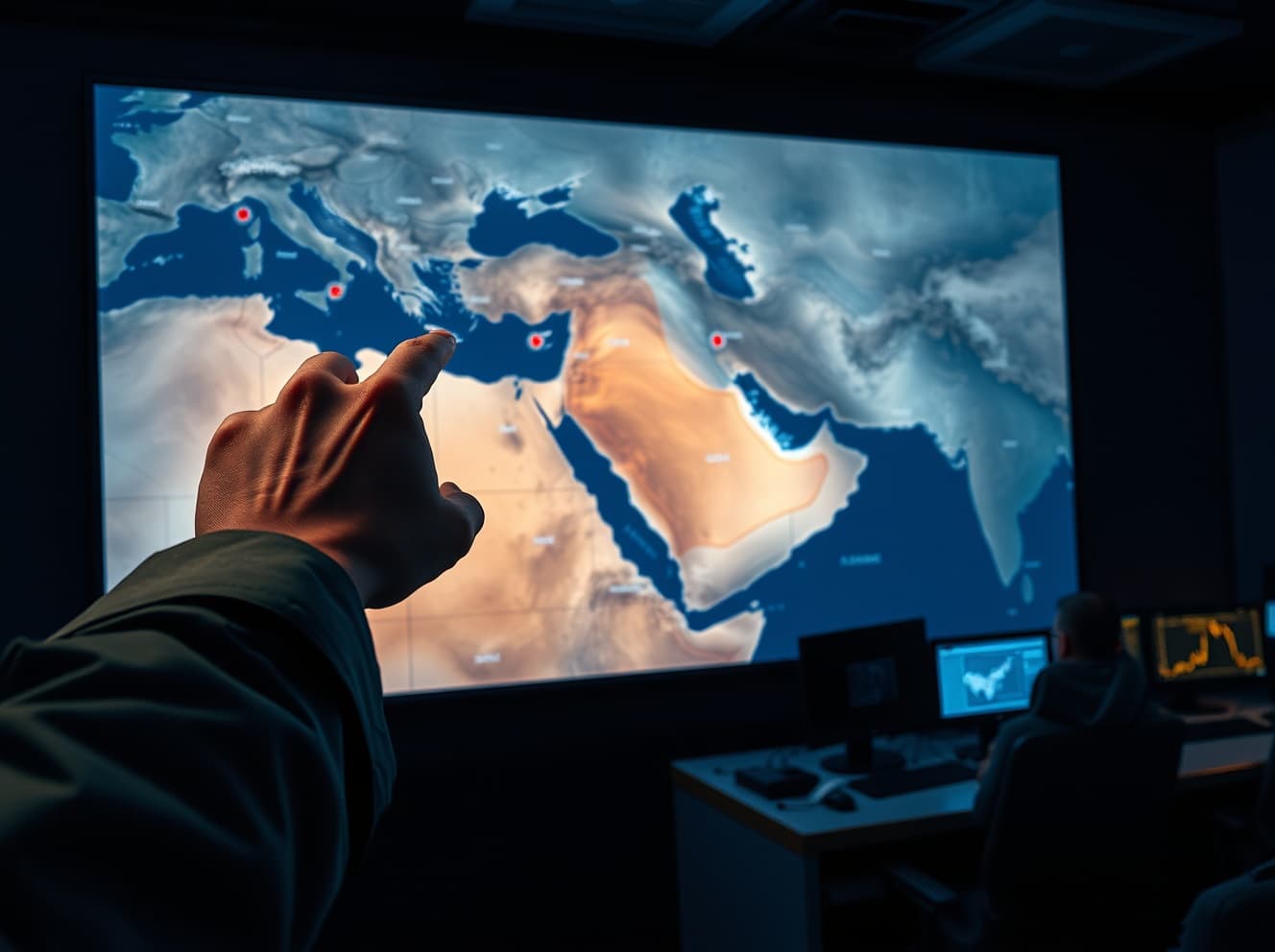
Iran's effective closure of the Strait of Hormuz has disrupted critical energy flows.
The administration's fossil fuel focus has left fewer alternative energy sources.
This increases American vulnerability to geopolitical instability in oil regions.
Trump calls the conflict 'very small price to pay' and predicts prices will 'drop like a rock'.
Energy experts warn this represents the largest oil supply disruption in history.
Global Energy Crisis
The Iran war has created a global energy crisis affecting countries across Asia.
Asian nations import approximately 80% of their oil through the Strait of Hormuz.
Several Asian countries have implemented fuel rationing measures.
Citizens are encouraged to adopt fuel-saving practices like working from home.
Iranian strikes have hit oil refineries in Qatar, UAE, and Saudi Arabia.
Multiple companies have halted or limited production due to the disruptions.
The International Energy Agency announced 400 million barrels will be released from reserves.
Asian markets are receiving priority access to these oil stocks.
U.N. Secretary-General emphasized the need to transition to renewable energy.
Consumer Impact
American consumers are feeling direct impact of Iran war on their wallets.
National average gasoline price jumped to about $3.88 per gallon.

This follows Trump's boast that gas prices were below $3 in State of the Union.
Price surge comes at sensitive time with midterm elections.
Affordability concerns rank among voters' top priorities.
Republican lawmakers express growing concern about political implications.
Sen. Mike Rounds: 'We're always concerned when gas prices go up.'
Sen. Thom Tillis: 'Gas drives the affordability issue.'
Administration responded by releasing oil from Strategic Petroleum Reserve.
Considering using U.S. Navy to escort oil tankers through Strait of Hormuz.
Officials acknowledge prices likely to remain elevated for weeks.
Energy Secretary Chris Wright calls it 'short-term pain to solve a long-term problem'.
Military Escalation Risks
Iran conflict raises significant military and regional escalation concerns.
Trump has refused to rule out 'boots on the ground' in Iran.

Senior White House official says Trump has options for acquiring Iran's nuclear material.
Trump has not made decision on how to proceed.
U.S. military deployments are intensifying in the region.
Amphibious Ready Group and Marine Expeditionary Unit heading to Middle East.
More than 2,000 Marines involved in deployment.
Concerns about losing military forces with USS Gerald R Ford sent to Greece.
Human cost continues to mount with over 1,000 Iranian civilians killed.
13 American service members also reported killed.
Environmental concerns as Israel bombed Iranian oil depots.
Residents of Tehran inhaling toxic black smoke from resulting fires.
More on Iran
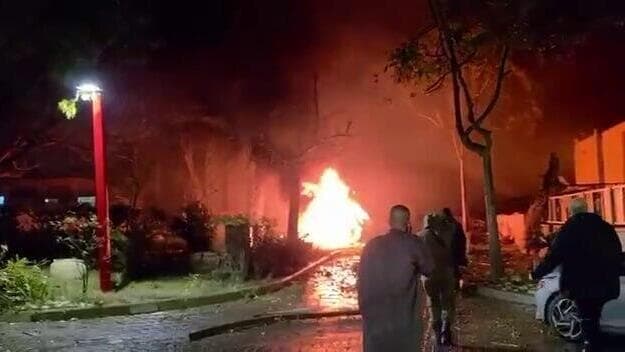
Iran Attacks Israeli Towns Dimona and Arad Near Israel's Main Nuclear Research Center, Dozens Wounded
43 sources compared
Iran Attacks Dimona in Retaliation for Natanz Strike
44 sources compared

Iran Attacks Diego Garcia with Long-Range Missiles, Targeting U.S.-UK Base
82 sources compared
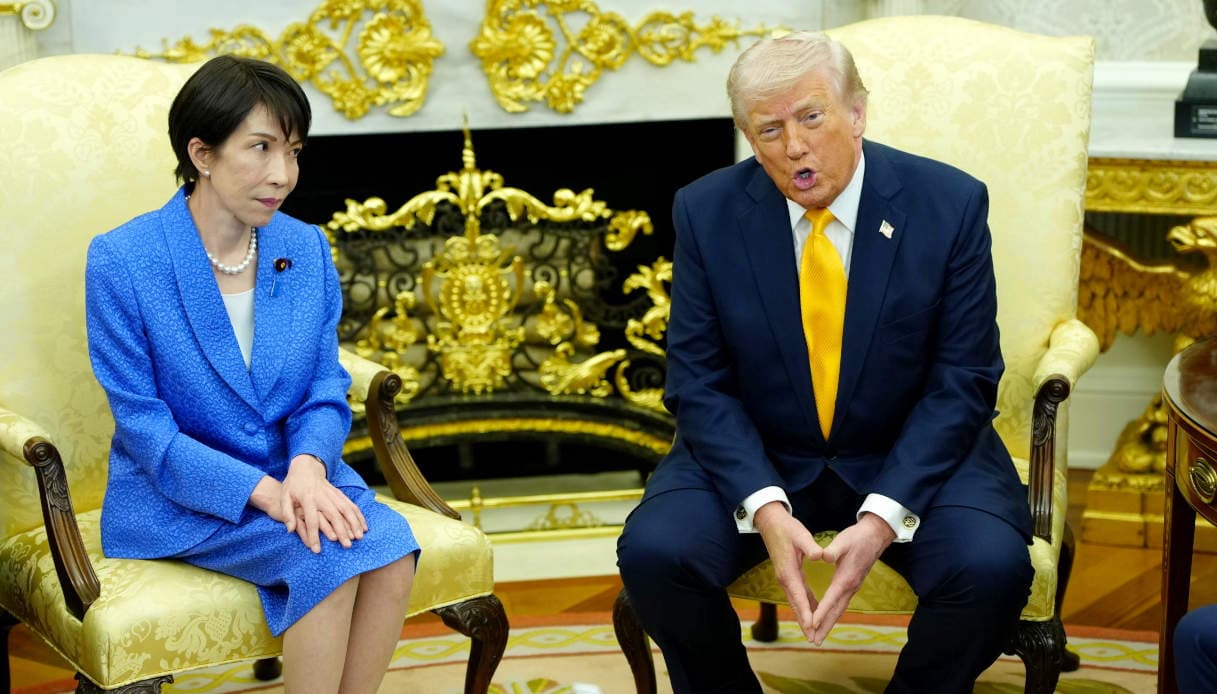
Trump Defends Iran War by Citing Pearl Harbor
12 sources compared