Syria25 October, 20253 min read
Turkey Restores Full Diplomatic Ties with Syria, Appoints First Ambassador Since 2011
This article is an automated aggregation of coverage from news outlets. Our editorials offer in-depth analysis curated by the NewsCord team.
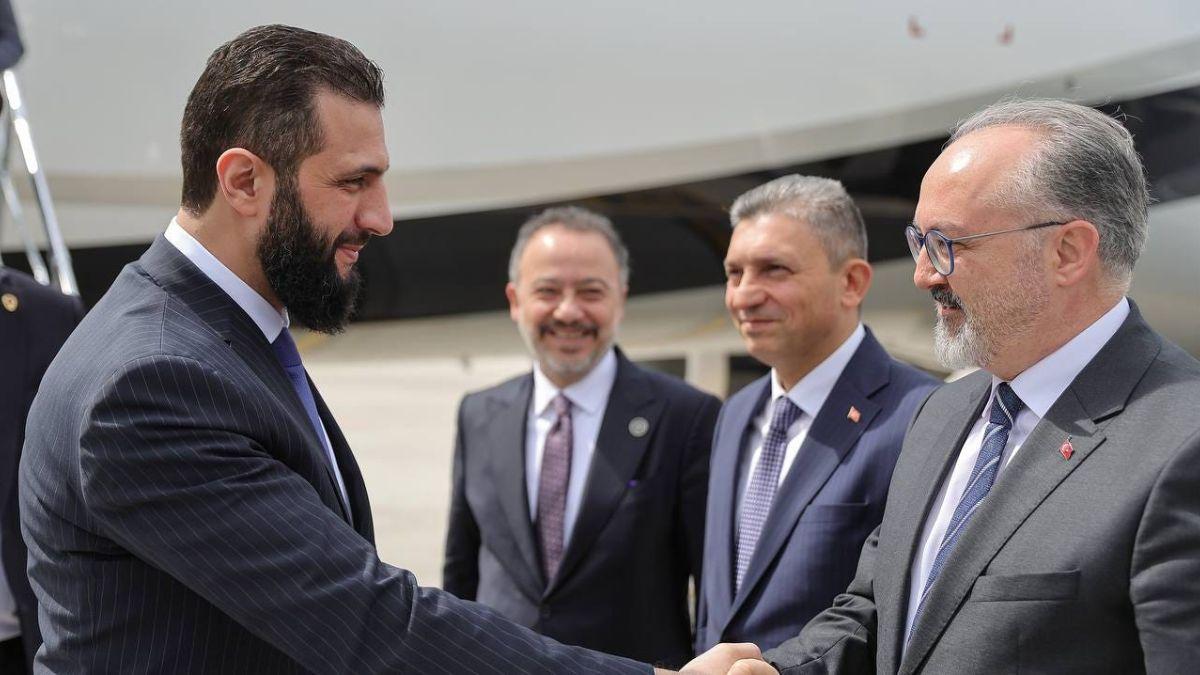
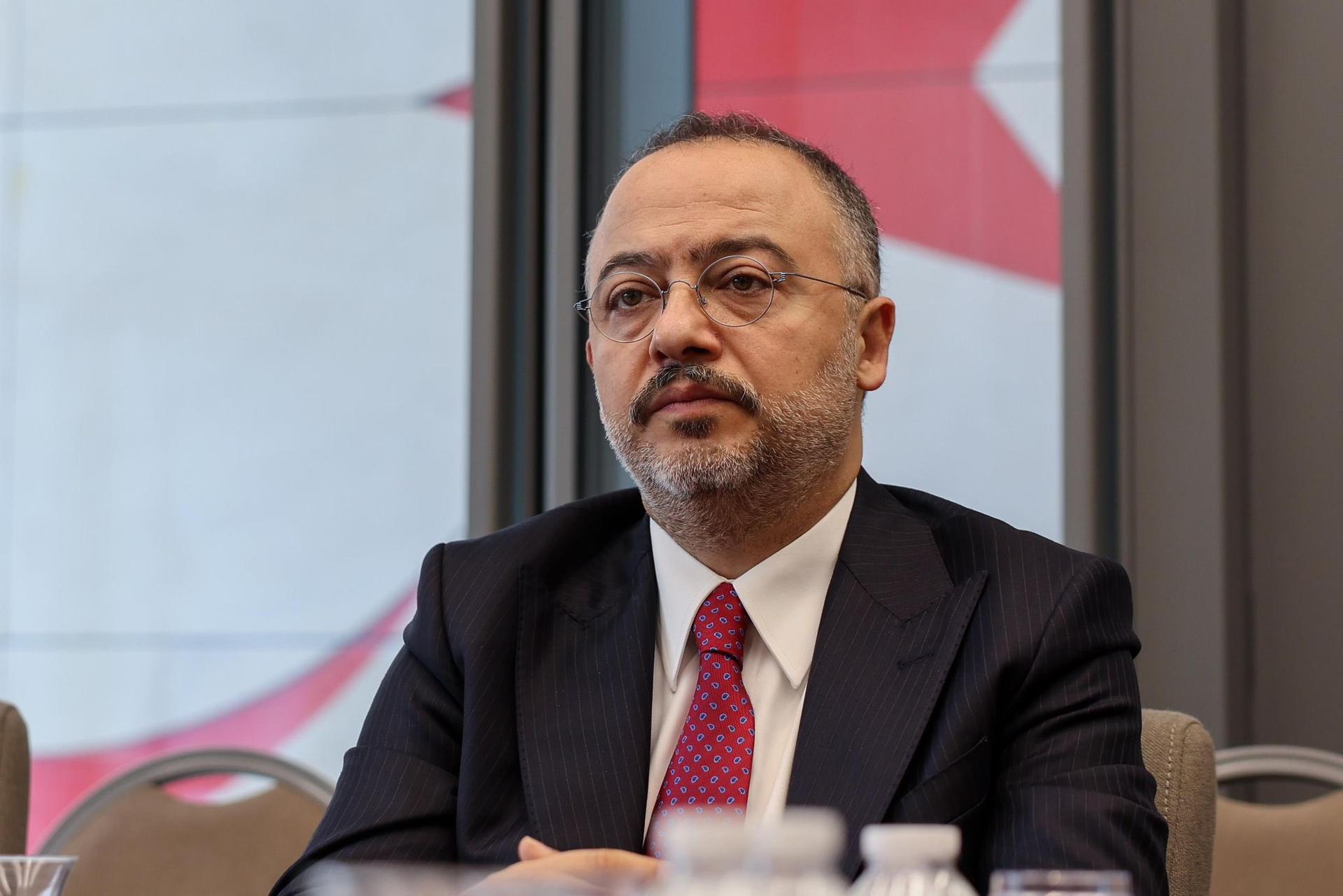
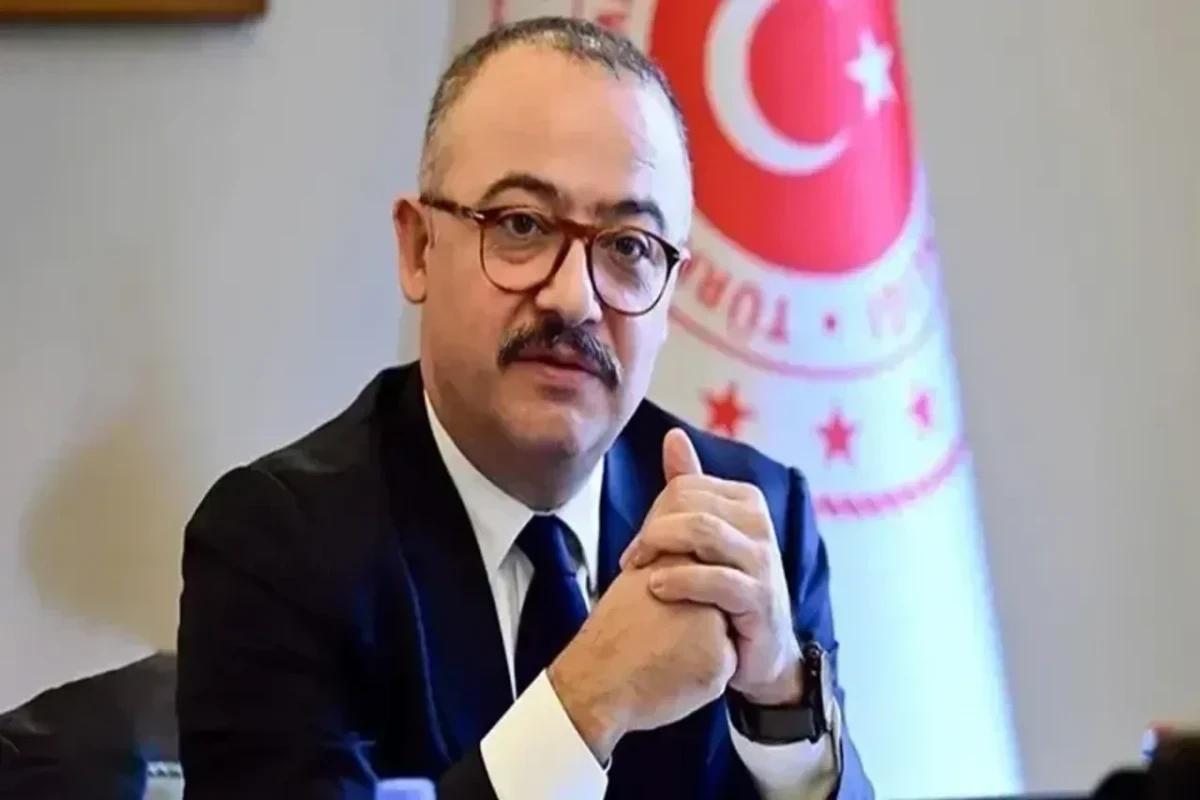
Turkey appointed Deputy Foreign Minister Nuh Yılmaz as ambassador to Syria. This is Turkey’s first ambassadorial appointment to Syria since diplomatic ties broke in 2011.
9 outlets told this the same way.
Outlets did split on Asad Al-Shaibani Meets Saddam Haftar in Benghazi Over Syrian Consulate And Missing Syrians →
Turkey-Syria Diplomatic Restoration
Turkey has restored full diplomatic ties with Syria by appointing Deputy Foreign Minister Nuh Yilmaz as ambassador in Damascus. This is the first such appointment since ties broke in 2012. Yilmaz replaces a chargé d’affaires and is set to assume his post after the formal publication of his appointment.
“Turkey has appointed Deputy Foreign Minister Nuh Yilmaz as its new ambassador to Syria, marking the first such appointment since diplomatic ties were cut in 2012 due to the Syrian civil war.”
Multiple outlets frame this as the culmination of renewed engagement between the two countries. Reports highlight that Turkey reopened its embassy in Syria. Yilmaz, who is experienced in intelligence and diplomacy, has been central to high-level talks since 2024.
Several sources describe this step as ending a period of hostility. They also see it as a shift in Ankara’s regional approach from ideology to pragmatic interests.
Syria-Turkey Diplomatic Relations
The rupture dates back to 2012 amid the Syrian civil war. Sources diverge sharply on how Syria’s leadership changed and when, which is a key context for why Ankara felt able to normalize relations. Al-Jazeera Net reports that diplomatic ties had been severed since the armed opposition removed Bashar al-Assad in December 2023 and that a new Syrian government was established in December 2024.
Hürriyet Daily News ties normalization to the collapse of the Assad government. AL-Monitor links the embassy’s reopening to the removal of Syrian President Bashar al-Assad and also notes that HTS offensives against Assad acted as a delaying factor. SyriacPress stresses the long phase of proxy conflict that Ankara now seeks to move beyond.

Profile and Background of Yilmaz
Yilmaz’s profile is central to how outlets interpret Ankara’s move. AL-Monitor highlights his intelligence and diplomacy background and role in high-level Syria talks since May 2024. Enab Baladi details his leadership of a Syria Technical Coordination Committee, language skills, and training at NATO Defense College, Harvard, and Georgetown.
“Yilmaz, experienced in intelligence and diplomacy and involved in high-level talks with Syria since May 2024...”
Al-Jazeera Net underscores his prior National Intelligence Agency experience and Washington background, and notes the replacement of the chargé d’affaires. Notably, sources disagree on when he became deputy foreign minister: Enab Baladi puts it at May 2024, whereas Hürriyet Daily News says mid-2023. Al-Jazeera Net uses the spelling 'Noah' rather than 'Nuh.'
Normalization Policy Overview
Policy aims and mechanics of normalization vary depending on the source. Enab Baladi highlights practical coordination on refugees, trade, and humanitarian aid that Yilmaz will oversee. Al-Jazeera Net emphasizes a broader strengthening of diplomatic, economic, and military relations.
SyriacPress describes the move as a pragmatic shift in Ankara’s regional approach after years of proxy conflicts. AL-Monitor points out that the appointment becomes official upon publication in the Official Gazette, highlighting procedural formalities amid expanding substantive engagement.
Regional Contexts of Normalization
Coverage also surfaces regional and side-contexts that color the normalization. AL-Monitor reports the appointment was delayed due to concerns about HTS offensives against Assad. SyriacPress situates the move within a wider regional recalibration that includes Lebanon’s instability.
“The appointment had been delayed due to concerns about the Islamist militia Hayat Tahrir al-Sham (HTS), which had launched offensives against Assad.”
Hürriyet Daily News includes broader Turkish diplomatic reshuffles and even a U.S. move on Gaza ceasefire monitoring, which are ancillary to Ankara-Damascus ties. Al-Jazeera Net points to leader-level contacts and congratulations to a new Syrian president, Ahmed Al-Shara, as relationship-building signals. Together, these angles show different editorial priorities around security threats, regional pragmatism, institutional reshuffles, and top-level political signaling.