Full story
Turkey passes PKK law
Turkey’s parliament approved the “Law on Strengthening National Solidarity and Social Integration,” creating a legal framework for PKK disarmament and dissolution after the group laid down its arms and dissolved itself, with the vote passing in a 600-seat chamber on Monday with 468 votes in favor, 88 against, and six abstentions.
“approved the law on “Strengthening National Solidarity and Social Integration,” prepared within the framework of the “Turkey Without Terror” track”
The measure was presented as part of the “Turkey Without Terror” track, and it was described by Parliament Speaker Numan Kurtulmuş as “not a general amnesty,” with decisions to be made after “reviewing each file individually.”
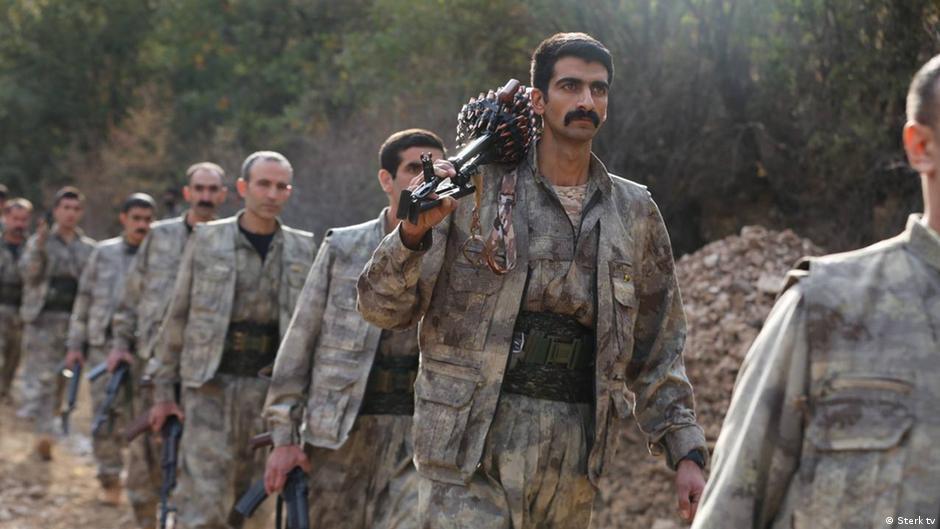
The law’s conditional structure hinges on Turkish authorities verifying that the PKK and associated formations have disbanded and that all weapons and ammunition have been surrendered, after which a National Security Council resolution is published in the Official Gazette.
Once that resolution is published, a six-month window opens for those seeking benefits to file applications in writing to prosecutors’ offices, while a monitoring committee chaired by the deputy president oversees implementation.
The law also excludes certain categories, including premeditated killings carried out within the organization’s activities and crimes committed before June 1, 2005 that carry life imprisonment, while files do not disappear during the suspension period because the statute of limitations does not apply.
Debate and competing definitions
The vote reflected divisions in Turkish politics, with the ultranationalist IYI party’s delegate Ayyuce Turkes accusing the government of rushing the bill and criticizing what she felt was an overly conciliatory stance toward PKK founder Abdullah Ocalan, whom she called a “baby killer.”
The debate also included a physical altercation, and the process was framed by the ruling coalition as a step toward peace and unity, while critics argued the law did not address broader Kurdish political and cultural rights.

DW reported that the main opposition force denounces “double standards,” and it said about thirty deputies from Yeni Parti stated during the debate that they intended to vote against, underscoring the “double standard” of facilitating an arrangement with former militiamen while intensifying repression against non-guerrilla political opposition.
In the official narrative, Kurtulmuş emphasized that the law “does not contain a single sentence that challenges national sovereignty, or the unity and integrity of the country, or its centralized national structure,” while the Kurdish parties placed political and cultural rights at the forefront.
The Associated Press framing, as relayed by Al-Jazeera Net, captured the dispute over definitions of the problem, with shop owner Hasan Gajti saying, “In my view, the problem of terrorism has been solved only. Unfortunately, the Kurdish issue remains where it is.”
What comes next for peace
Implementation is structured as a sequence: disarmament first, then legal facilitation, because the law requires security institutions to verify the PKK’s disbandment and the surrender of weapons and ammunition before a National Security Council resolution is published in the Official Gazette.
“the law itself requires a prerequisite before its execution”
After that resolution, the six-month application window begins, and a committee chaired by the deputy president—along with ministers of justice, foreign affairs, interior, and defense, plus the head of the intelligence agency and other officials—monitors the process.
The law’s conditional suspension of investigations and trials is set for five years when the maximum penalty does not exceed 15 years, and ten years for more severe penalties, while excluded crimes include premeditated killings within the organization’s activities and crimes committed before June 1, 2005 that carry life imprisonment.
Al-Jazeera Net described the approach as closer to a “conditional legal suspension” than a blanket amnesty, because eligibility depends on completing disarmament and not returning to armed activity.
The stakes are also tied to unresolved questions beyond the legal text, since Al-Jazeera Net said the law leaves “the most sensitive questions, from Öcalan’s status to the political and cultural rights of the Kurds, for another phase,” even as it is presented as part of ending the armed aspect of a conflict that began in 1984 and claimed more than 40,000 lives.